




- Goodwill is expanding with 42 net-new stores, many in higher-income neighborhoods, part of a broader strategy to appeal to wealthier donors and Gen Z shoppers.
- Redesigned stores feature modern layouts, signature scents, and better lighting—part of a push to change perceptions of secondhand shopping.
- Shopper foot traffic at Goodwill rose 9.5% year-over-year, more than double the growth rate of traditional apparel stores.
- With $5.5B in retail sales last year, up 37% from 2019, Goodwill is investing in retail real estate and content-driven marketing to fuel continued growth.
A New Look For A Familiar Name
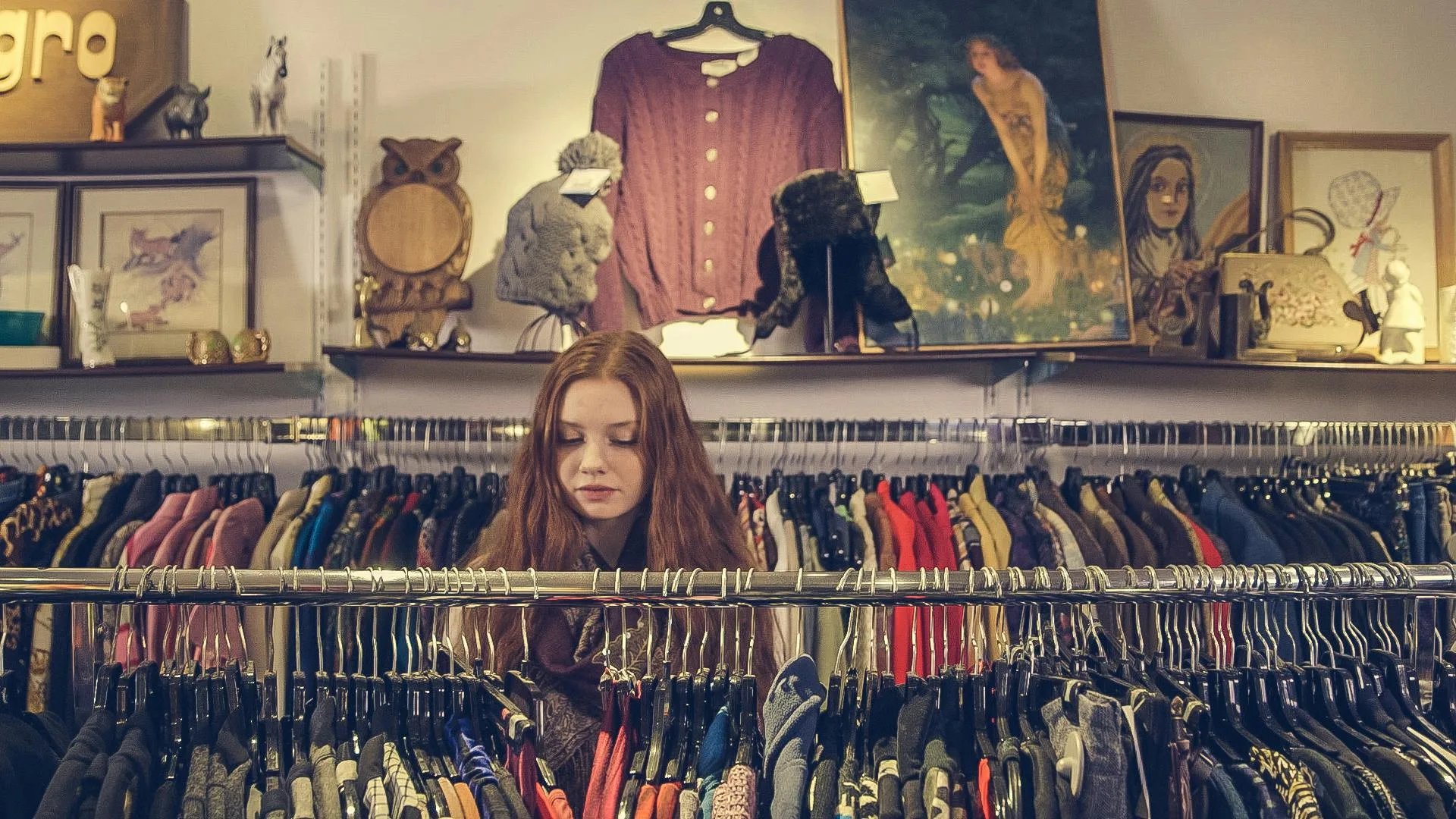
Long associated with cluttered aisles and dimly lit stores, Goodwill is undergoing a retail reinvention, reports WSJ. The nonprofit is rolling out bigger, brighter stores in affluent neighborhoods, designed to draw in upscale donors and a new generation of thrifters. Some locations now feature signature scents, curated layouts, and even TikTok influencer collaborations.
Real Estate At The Heart Of The Strategy
The shift hinges on real estate. Goodwill targets wealthy areas with easy drop-offs and larger stores to attract high-end donations like designer clothes and jewelry. One West Virginia store recently received a donation of Tiffany jewelry; others have reported finds like Gucci and Chanel.
Larger store footprints also allow for better sorting, eliminating the overflow of unsorted goods often seen in older locations.
Get Smarter about what matters in CRE
Stay ahead of trends in commercial real estate with CRE Daily – the free newsletter delivering everything you need to start your day in just 5-minutes
Sales And Foot Traffic Surge
The strategy is paying off. Goodwill earned over $5.5B last year in the US and Canada, a record high and 37% increase from 2019. Foot traffic rose 9.5% in 2025, more than double the growth rate of apparel retailers, according to Placer.ai.
The expansion includes 42 net-new stores, with organizations like Goodwill of Central and Northern Arizona leading the transformation. These locations often resemble off-price chains like Marshalls or HomeGoods, down to the polished concrete floors and well-lit displays.
Thrifting Goes Gen Z
Younger shoppers are driving the trend. Gen Z, attracted to both sustainability and affordability, is shopping thrift for fashion and home decor. Goodwill has responded with TikTok campaigns and influencer partnerships, spending thousands on short-form videos that showcase the appeal of secondhand shopping.
“We’re seeing a major shift,” said Kent Kramer, CEO of Goodwill of Central & Southern Indiana. “Thrifting is no longer niche—it’s mainstream.”
Challenges Remain
Despite the momentum, Goodwill faces real estate challenges, including high construction costs, tight retail vacancies, and skeptical landlords. Some locations still suffer from dated designs, and market expansion requires navigating lengthy permitting processes.
Yet with data showing that shoppers often visit multiple Goodwill locations in a single day, the organization is rethinking store proximity. In Indiana, locations are now just 3 miles apart, a departure from the 9–10 mile spacing of previous years.
Why It Matters
Thrift and off-price retail are among the most resilient categories in commercial real estate. Goodwill’s modern strategy uses retail design, data, and social media to stay competitive. It also supports its mission of funding job training and placement programs.
As more landlords and developers recognize the brand’s evolution, Goodwill’s appeal is growing. It’s becoming a desirable anchor tenant for shopping centers balancing affordability with foot traffic.