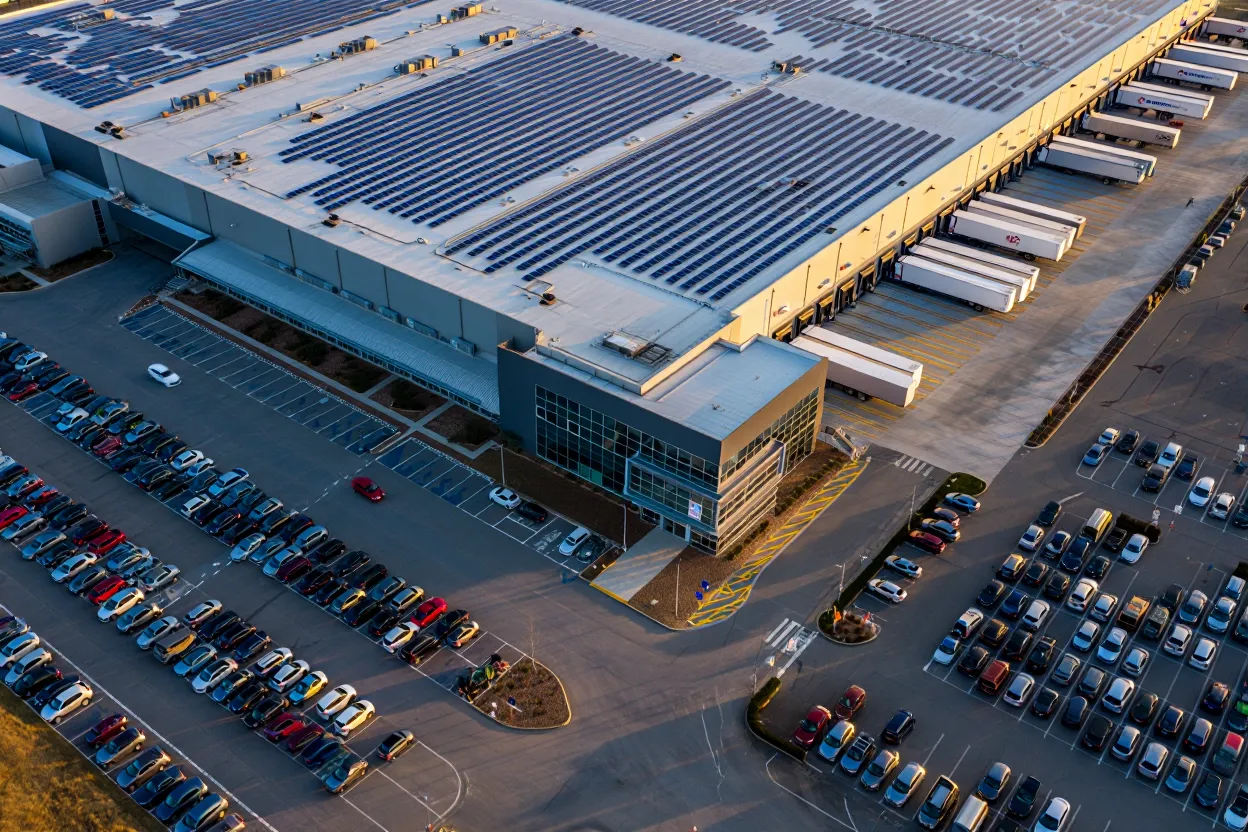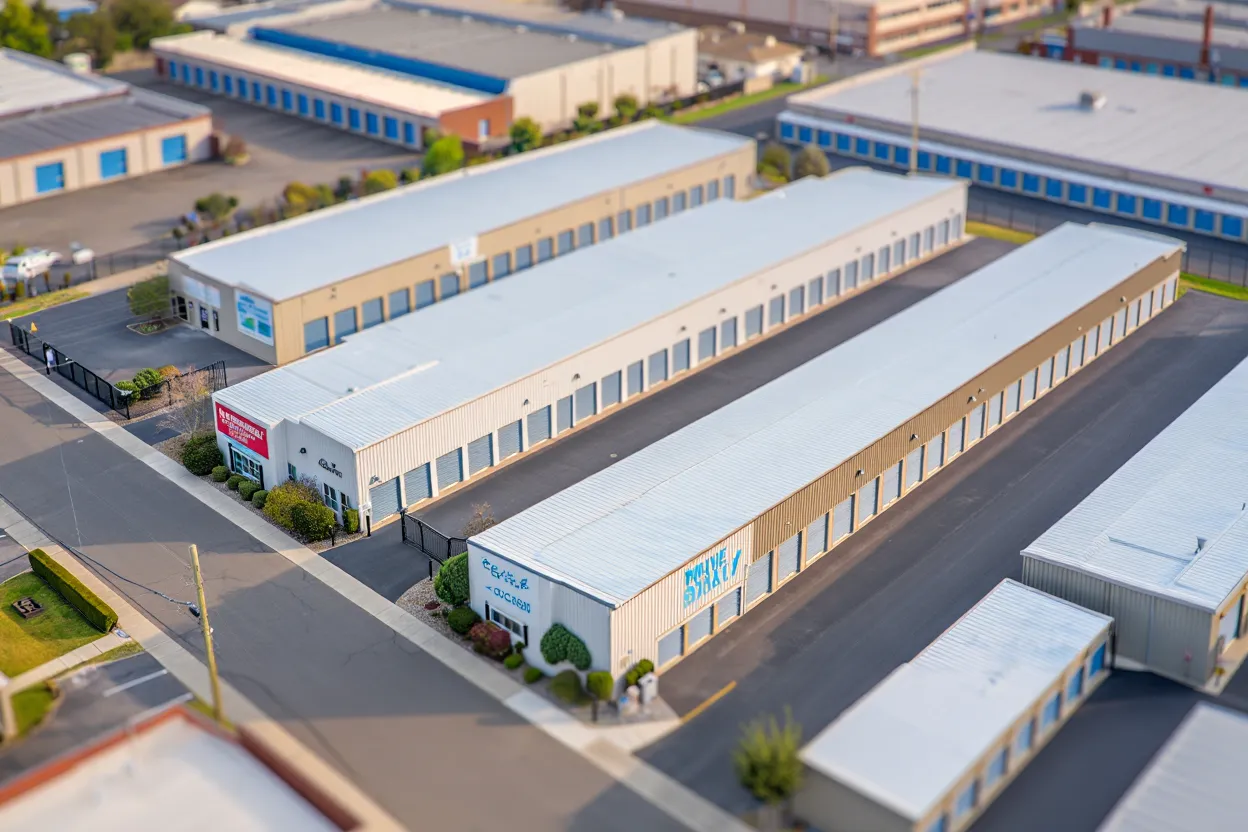





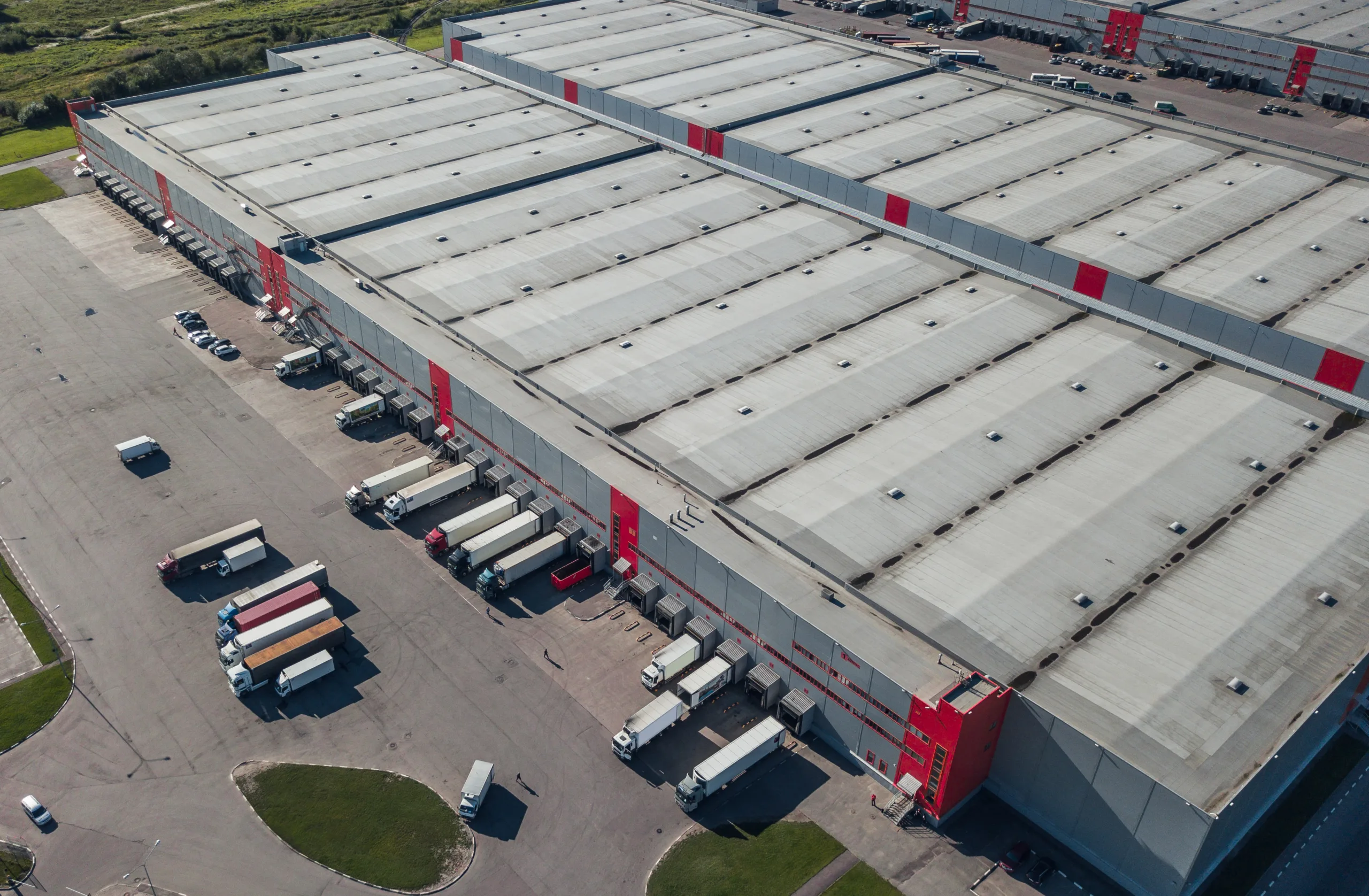
- Industrial and data centers continue to lead performance, thanks to tenant demand and the limited supply of infrastructure-ready land.
- Scarcity and entitlement factors—like power availability, permitting, and fiber connectivity—now define asset value more than ever.
- Office and hospitality assets still struggle, while retail with necessity-based tenants and well-located multifamily properties show relative resilience.
Flight to Quality Finds Clear Front-Runners
As 2025 winds down, commercial real estate investors are doubling down on the flight to quality, according to Globe St., shifting away from broad sector plays to focus instead on specific asset traits that offer utility and resilience.
Lonnie Hendry, Chief Product Officer at Trepp, explained on the firm’s podcast, “The winners are assets with pricing power, either because they support growth sectors like logistics and data or because they meet essential needs.”
Recent earnings reports and deal activity back up Hendry’s assessment. For instance, industrial and data center assets have consistently attracted capital due to their strong fundamentals and critical infrastructure advantages.
Scarcity Is the New Value Driver
Unlike in previous cycles, today’s top-performing assets stand out because of what they uniquely offer: scarcity and entitlement. Properties that provide grid access, fiber connectivity, and full permitting have gained a distinct pricing edge.
Consider Amazon’s headline-grabbing land deal in Virginia. The company paid $3.7M per acre for infrastructure-ready property—an unusually high figure that reflects surging demand for sites with utility access.
Investors aren’t simply chasing hot sectors. Instead, they’re targeting assets with physical and regulatory features that limit supply and support long-term performance.
Sector Breakdown: Leaders and Laggards
- Industrial: Industrial assets continue to attract strong leasing interest. Colliers reports that national vacancy rates remain below 8%, while absorption exceeded 60M SF this year. Meanwhile, the construction pipeline is shrinking, which helps tighten fundamentals even further. Additionally, drone delivery expansion could reshape retail logistics, pushing demand for last-mile distribution hubs and power-ready warehouse facilities.
- Data Centers: These assets have become magnets for institutional capital, especially in markets where grid-connected, entitled land is in short supply. Developers benefit from consistent pricing power due to limited site availability.
- Multifamily: The sector shows a clear split. Properties in growth markets with stable tenancy are pulling in capital, aided by favorable housing policy trends. However, underperforming complexes continue to face yield erosion.
- Retail: Necessity-based retail, such as grocery-anchored centers, remains steady. In contrast, discretionary and unanchored retail continue to face foot traffic and leasing challenges.
- Office & Hospitality: These assets still struggle with demand recovery. Operators fight for occupancy and tenant improvement dollars, and returns vary widely depending on the local market.
Why It Matters
This shift toward quality isn’t just a market trend—it reflects a broader reset in how capital approaches real estate risk. With debt more expensive and financing harder to secure, investors are scrutinizing each deal more carefully.
Instead of focusing on sector rotation, smart investors now emphasize specific drivers of long-term value. Power, permits, location, and necessity aren’t just buzzwords—they’re key to unlocking performance in a constrained market.
Going forward, real estate professionals who align with these fundamentals are more likely to outperform in what remains a selective and cautious investment environment.
Get Smarter about what matters in CRE
Stay ahead of trends in commercial real estate with CRE Daily – the free newsletter delivering everything you need to start your day in just 5-minutes