



- Fed independence is being threatened by President Trump’s actions toward Jerome Powell, raising alarm in commercial real estate (CRE).
- Pressure to lower interest rates could benefit CRE in the short term but risks longer-term volatility and inflation.
- Market reaction remains calm for now, but further political interference could undermine the US dollar and bond markets.
- Trump will choose the next Fed chair, ensuring continued focus on rate policy and its effects on CRE.
Political Pressure on Fed Raises CRE Concerns
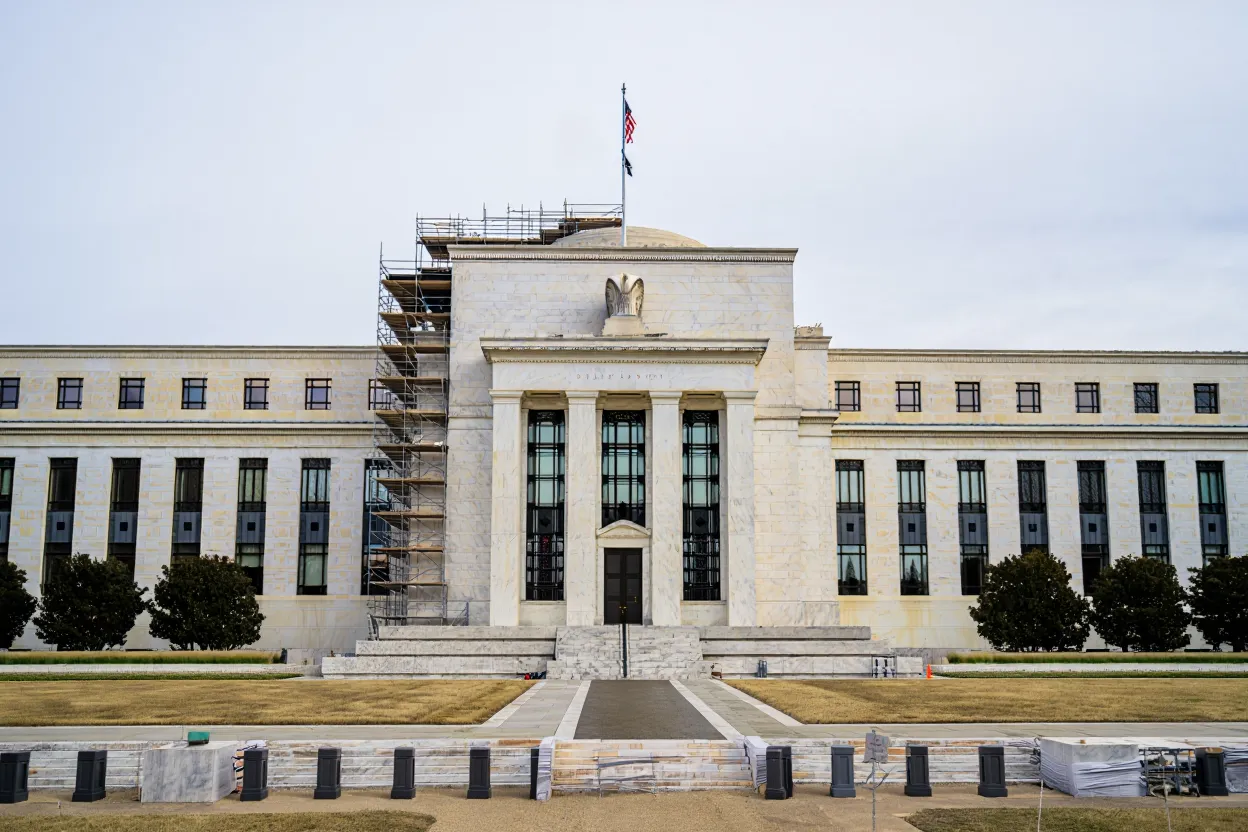
President Donald Trump’s escalating conflict with Federal Reserve Chairman Jerome Powell, including criminal threats over a multibillion-dollar Fed headquarters renovation, has spotlighted the risks to central bank independence. The unprecedented scrutiny comes as CRE leaders debate whether short-term relief via lower rates is worth the potential for long-term market instability, reports the Commercial Observer.
Powell’s refusal to accelerate rate cuts below the current 3.5-3.75% has frustrated Trump, who wants faster reductions to stimulate the economy before critical elections. Industry figures warn that open political interference creates uncertainty for CRE, particularly as debt costs and valuations hinge on the Fed’s actions.
Short-Term Gains, Long-Term Questions
Some investors argue that forcing rate cuts aids CRE by lowering borrowing costs and lifting asset values. “Anything that puts pressure on the Fed to lower rates is a good thing,” said Glen Kunofsky, Surmount CEO. However, others highlight the risks: sharp rate reductions can fuel inflation, distort cap rates, and add leverage risk to commercial real estate. Recent remarks from Powell have already suggested a pivot in policy, reinforcing market expectations of rate cuts even without direct political influence.
Historically, attempts by US presidents—ranging from Nixon to Johnson—to sway Fed policy have had mixed results. Echoes of similar interference abroad, such as in Turkey and Argentina, have led to currency devaluation and surging inflation, outcomes CRE stakeholders are keen to avoid.
Get Smarter about what matters in CRE
Stay ahead of trends in commercial real estate with CRE Daily – the free newsletter delivering everything you need to start your day in just 5-minutes
Market Response and Investor Sentiment
Despite political drama, the CRE market and broader financial indices have shown resilience. Credit spreads remain tight, and access to debt is steady. Piper Sandler’s Alexander Goldfarb notes the 10-Year Treasury has hovered near 4% throughout the turmoil, suggesting the bond market is not yet panicking over Fed independence.
Yet market and currency strategists caution that ongoing pressure could eventually dent confidence in US Treasury bonds and the dollar, elevating risk premiums and debt costs for CRE borrowers. ING warned that loss of Fed independence may result in “major depreciation” of the dollar and higher long-term yields.
Looking Ahead: Leadership and Policy Risks
Trump’s opportunity to appoint Jerome Powell’s successor—possibly a loyalist like economic advisor Kevin Hassett—fuels speculation about further changes to Fed policy and its impact on CRE markets. Senate Republicans have promised scrutiny, but most observers agree the next chair will face intense pressure to accommodate the administration’s objectives.
Whether independence can be maintained or political intervention persists, the CRE sector will need to navigate an environment where rate policy, debt markets, and global capital flows are closely tied to evolving government actions toward the Federal Reserve.