





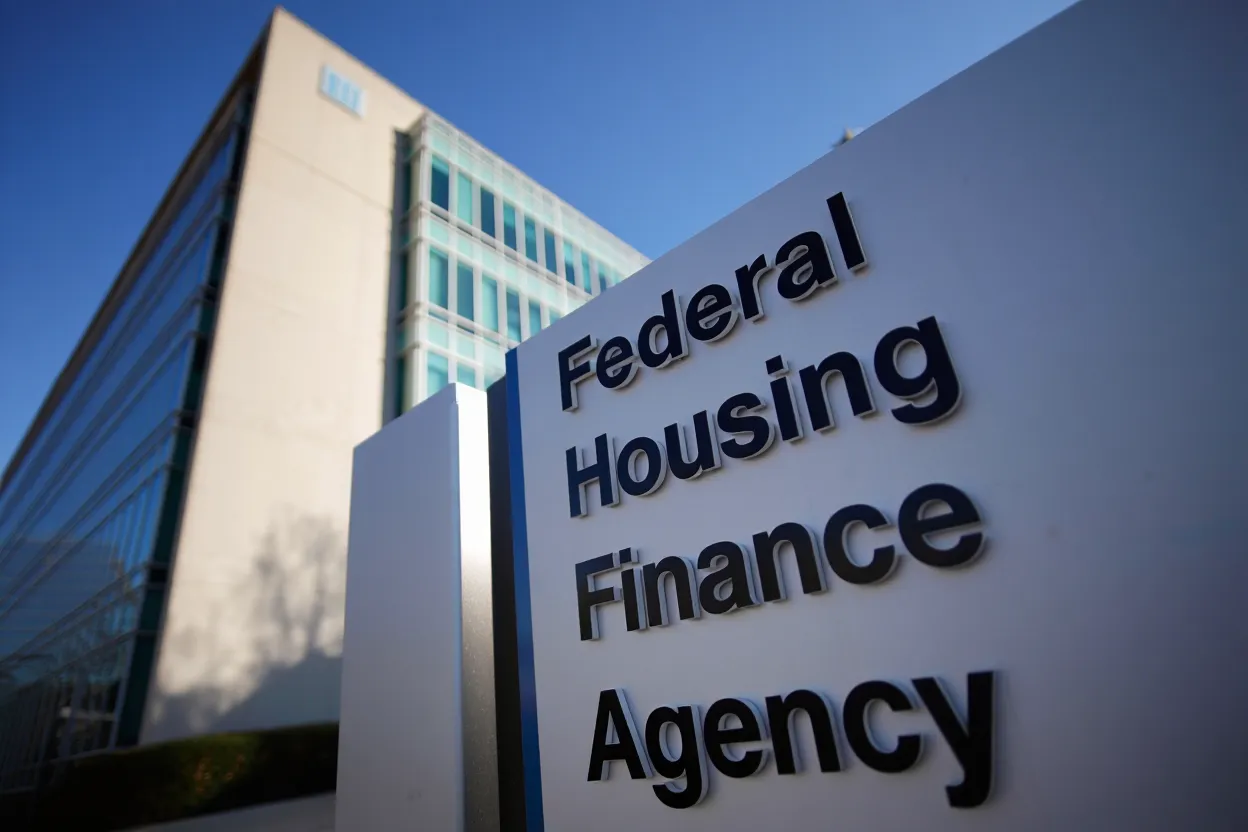
- FHFA finalized the repeal of 2024 Biden-era Fair Housing oversight rules.
- Repeal affects compliance reporting for Fannie Mae, Freddie Mac and other government-sponsored entities.
- Tenant and civil rights advocates oppose, while several industry groups support the rollback.
- Changes take effect March 9, 2026, following a divisive public comment period.
Regulatory Rollback at FHFA
Bisnow reports that the Federal Housing Finance Agency repealed the 2024 Fair Lending and Fair Housing rule. The rule also covered Equitable Housing Finance Plans. FHFA Director Bill Pulte led the repeal effort. The change removes requirements for Fannie Mae and Freddie Mac. Previously, those lenders had to show active compliance with fair housing laws.
The policy shift reflects a broader federal move away from diversity and equity mandates. FHFA said the rule created duplication and inefficiency. The agency also said the rule conflicted with recent executive orders. As a result, leaders decided to eliminate the oversight framework.
Industry and Advocacy Response
Several advocacy groups criticized the repeal. Those groups include the National Fair Housing Alliance and the NAACP Legal Defense Fund. Sen. Catherine Cortez Masto also opposed the decision. They argue the rule created accountability for government-backed lenders. They also say it helped expand homeownership access for low- and middle-income borrowers.
Meanwhile, several industry groups welcomed the rollback. US Mortgage Insurers and the Housing Policy Council voiced support. They argue the rule duplicated existing oversight requirements. They also say it conflicted with current federal policy directives. Supporters believe the repeal lets FHFA refocus on statutory goals. They add that it strengthens attention on housing finance system safety.
Get Smarter about what matters in CRE
Stay ahead of trends in commercial real estate with CRE Daily – the free newsletter delivering everything you need to start your day in just 5-minutes
Why It Matters
This fair housing rules rollback could reduce the regulatory burden for lenders under FHFA oversight but may also impact equitable housing initiatives and lending transparency. The regulatory shift reflects broader political changes at the federal level regarding housing policy and oversight. Earlier this year, federal regulators also revised national rent-setting standards by expanding small-area compliance requirements in certain markets, signaling a wider recalibration of housing oversight.
What’s Next
The repeal takes effect March 9, 2026, as fair housing and industry advocates gauge its impact on access to credit and accountability in US housing finance. Ongoing debate is expected as the housing market watches how the changes play out for both lenders and underserved communities.