





- Gen Z buyers seek affordability and often start out in rentals or smaller homes due to early-career income limits and student debt.
- Older Americans will drive household growth, with 90% of new households over the next 20 years expected to include a head of household aged 65 or older.
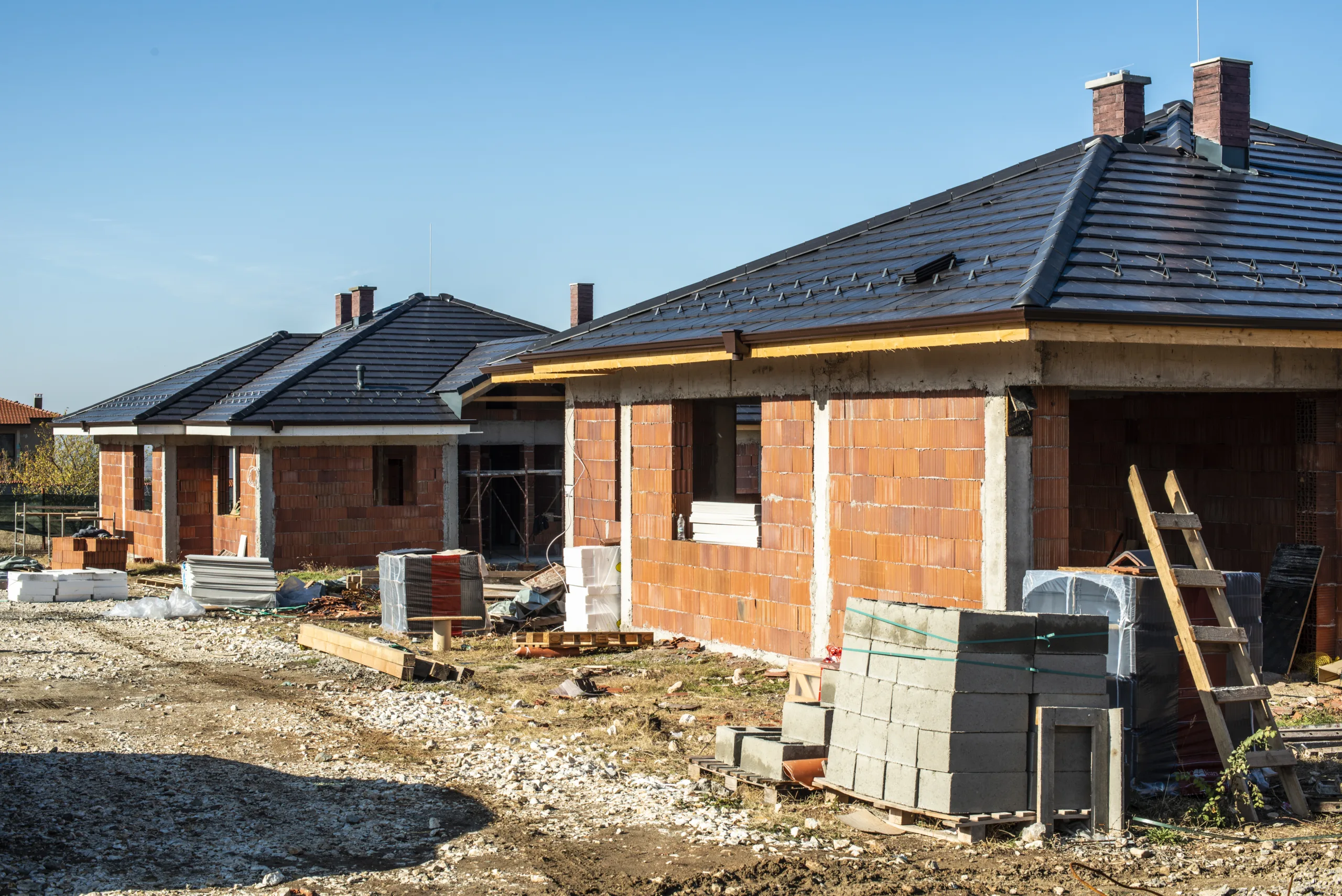
- Builders are pivoting toward smaller, single-level homes and townhouses instead of large, two-story houses.
- New home sizes are shrinking, down by 10 SF per year over the past five years due to land and regulatory costs.
Future-Proofing the Floor Plan
Globe St reports that while builders continue to tackle the housing shortage, demographic shifts are changing long-term priorities. According to Cotality chief economist Molly Boesel, trends around Gen Z, Millennials, and retirees will force builders to rethink how homes are designed.
Gen Z faces 7% mortgage rates and rising home prices, which has delayed many from entering the market. Most prefer rentals initially, Boesel noted, but when they do look to buy, they’ll likely favor smaller, more affordable homes.
Downsizing, Not Just for Retirees
Affordability affects older adults as well, especially those on fixed incomes. Rising insurance premiums and property taxes can stretch budgets and sometimes force seniors to sell.
Boesel said Americans over 65 will make up 90% of net new households in the next two decades. Many in this group are evaluating where to age—whether by downsizing, renting, or moving closer to health and lifestyle services. Builders must plan for these needs.
Get Smarter about what matters in CRE
Stay ahead of trends in commercial real estate with CRE Daily – the free newsletter delivering everything you need to start your day in just 5-minutes
One Size Doesn’t Fit All
Millennials are having fewer children than previous generations, which may reduce the need for large family homes. And with more people returning to the office, pandemic-era demands for home office space may fade.
“With home prices increasing, if you don’t need the space, you might not want to pay for it,” Boesel said.
Multigenerational living is also on the rise. Homes designed for this trend will need extra bedrooms, flexible living spaces, and more bathrooms.
Smaller Homes, Higher Prices
Builders are already adapting to these market forces. Cotality data shows that the average size of new homes shrank by 10 SF per year over the past five years. The drop stems from higher land costs and stricter regulations.
Despite the shrinking footprint, home prices are projected to rise 4.9% year-over-year. Townhouses—compact yet spacious enough—have gained popularity as a space-efficient and cost-effective option.
What’s Next
Builders are shifting focus from size to adaptability. The next generation of homes will likely be smaller but smarter—designed for aging residents, young buyers with budget concerns, and families that live together across generations.
Instead of building for square footage, developers are starting to build for demographic shifts and real-life needs.