



- A surge in demand for AI “inference” computing is driving a new wave of data center development in the Midwest, beyond hyperscale campuses.
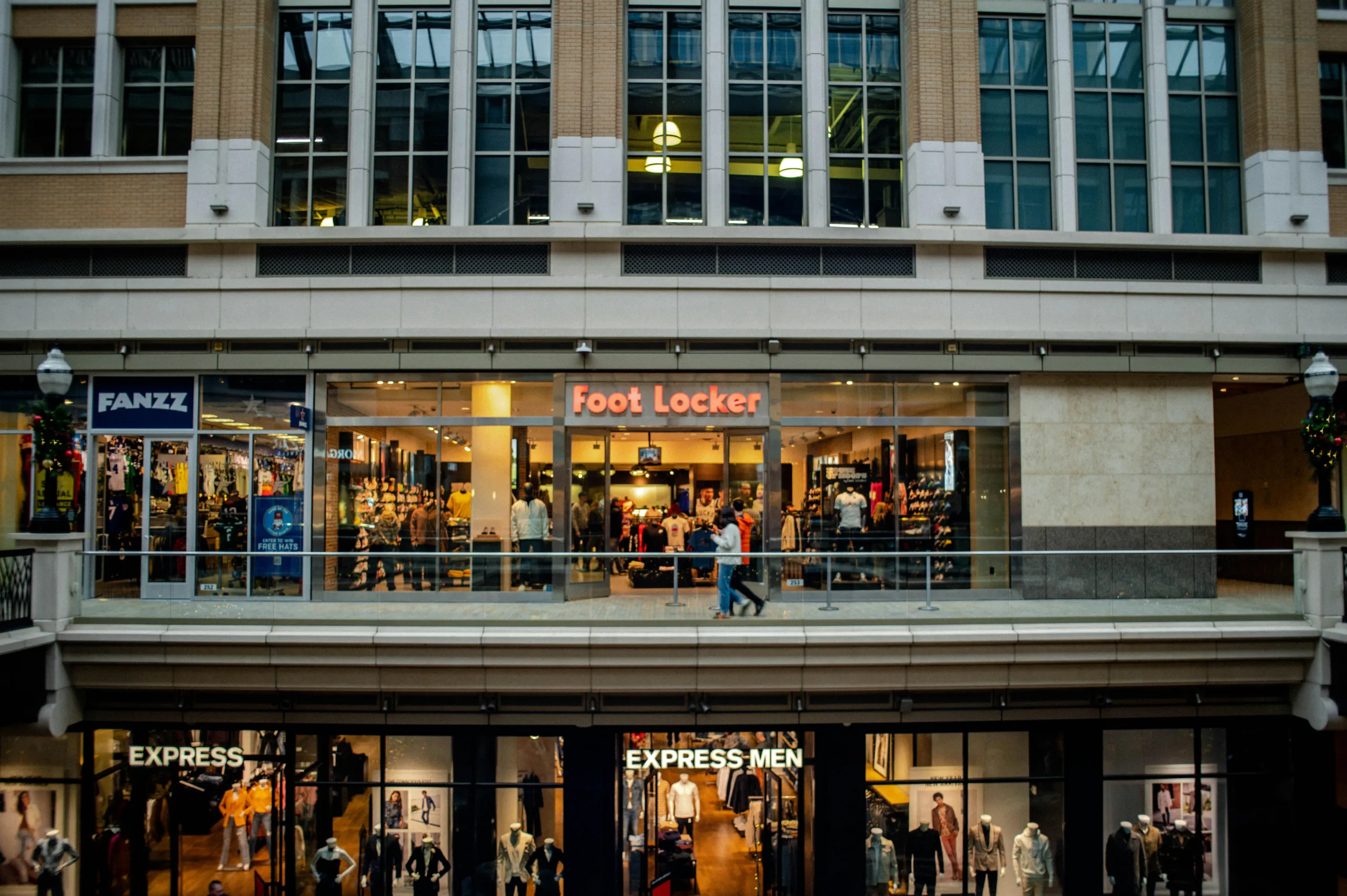
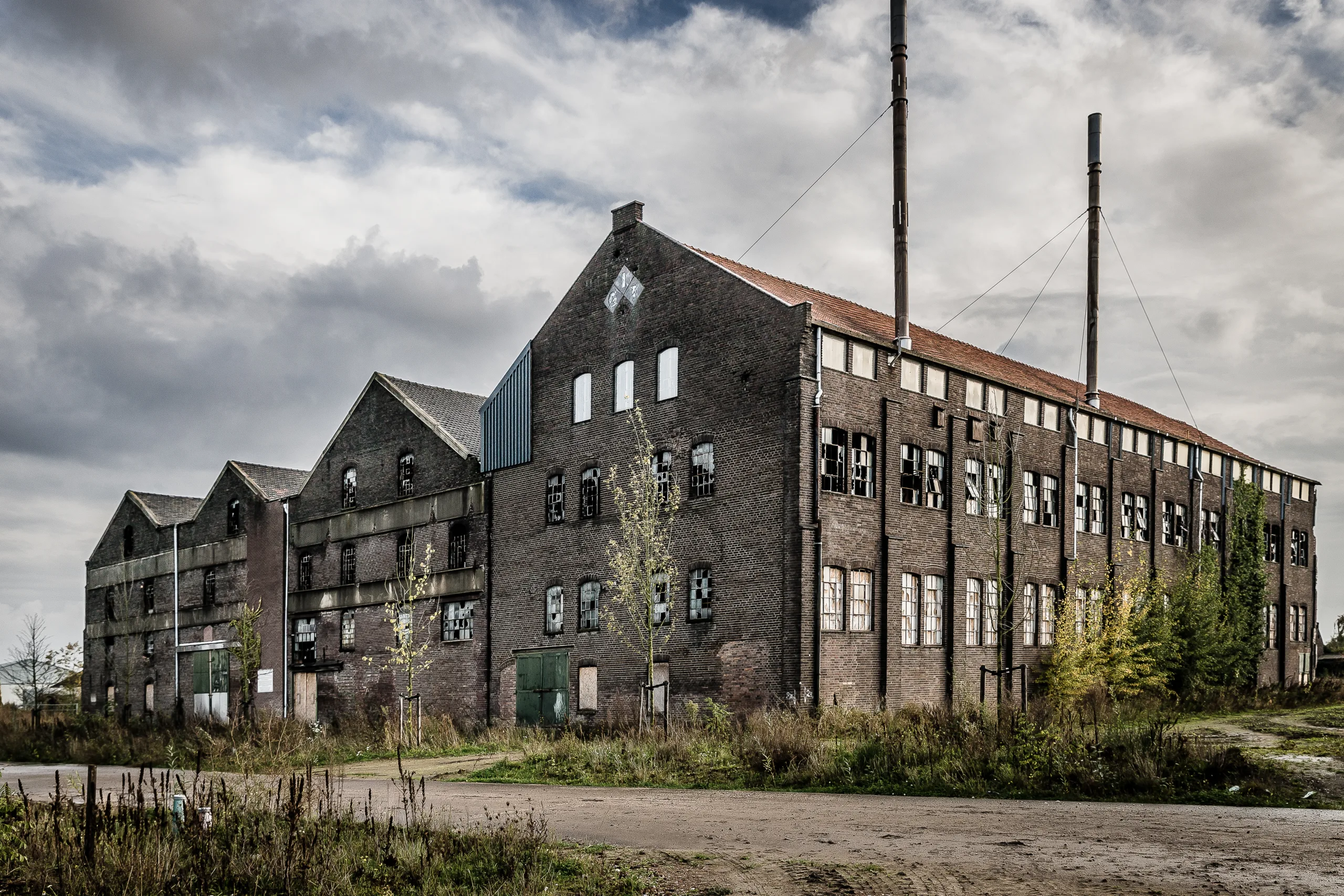
- Developers are repurposing shuttered factories and low-occupancy office buildings — sites with “stranded power” — into mid-sized data centers.
- Communities in former industrial hubs are welcoming data center projects as a way to revive vacant properties and restore tax revenue.
The Next Wave Of AI Infrastructure
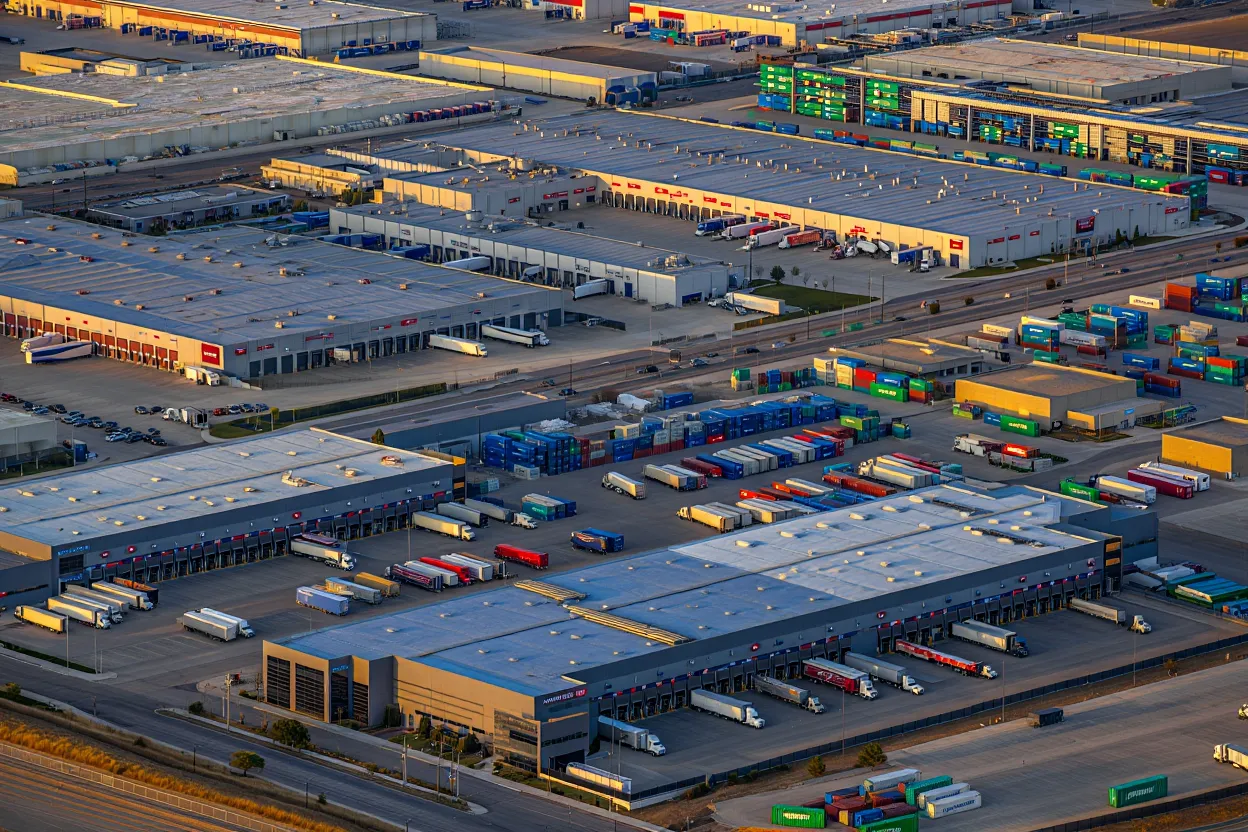
The Midwest has already become a hotbed for massive data center campuses, reports Bisnow. Tech giants like Amazon, Microsoft, and Meta are leading the way. These projects are especially concentrated in states like Ohio, Wisconsin, and Iowa. But the next phase of growth may look very different. Developers and industry leaders say the spotlight is shifting toward smaller, distributed data centers to support AI inference — the process of running AI models rather than training them.
This shift opens up an opportunity to repurpose existing infrastructure, particularly in areas rich with underutilized power capacity left behind by declining manufacturing.
Stranded Power Finds A New Use
Many defunct factories and empty office buildings across the region still have access to large-scale electricity loads and utility infrastructure — known as “stranded power.” These sites are too small for training-focused hyperscale facilities. However, they are well-suited for inference data centers. These typically require between 40 and 60 megawatts of capacity.
“You better believe these opportunities are emerging in the Chicago area and across the Rust Belt,” said Bill Kleyman, CEO of AI cloud firm Apolo.us, at Bisnow’s recent DICE: Midwest event. “With some modernization, they’re perfect for inference workloads.”
Get Smarter about what matters in CRE
Stay ahead of trends in commercial real estate with CRE Daily – the free newsletter delivering everything you need to start your day in just 5-minutes
Real Projects, Real Momentum
Some major players are already leveraging this trend.
- Microsoft is developing a 900 MW data center campus on the site of Foxconn’s failed manufacturing plant in Mount Pleasant, Wisconsin.
- SoftBank plans to convert a Foxconn factory in Lordstown, Ohio, into an AI training center in partnership with OpenAI.
Meanwhile, inference-focused developments are gaining traction:
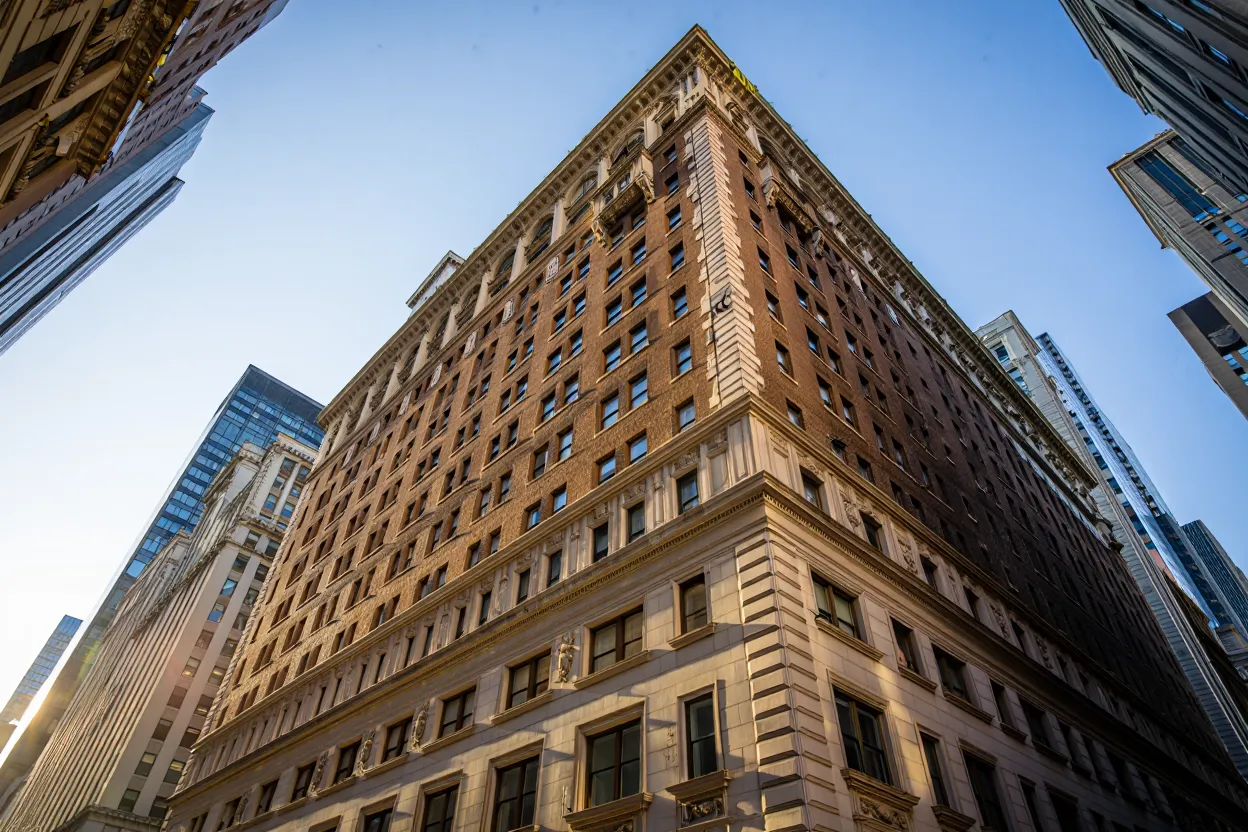
- Legacy Investing has converted a downtown Minneapolis office tower into an AI inference data center and is planning a similar project in Chicago.
- HydraVault recently announced a 20 MW AI data center in downtown Chicago, repurposing an underused office building.
Urban Core Revival
Developers are also eyeing central business districts. In cities like Minneapolis and Chicago, sparsely occupied office towers with excess power capacity are being transformed into data centers that can serve nearby businesses with AI computing needs.
These projects are often welcomed by local governments seeking to reverse tax base erosion from empty offices. “We dramatically increased the tax base,” said Legacy Investing’s Daniel English of their Minneapolis conversion. “The city loved it.”
Why It Matters
Hyperscale AI campuses continue to dominate headlines. At the same time, the real estate market is seeing growing demand for edge and inference data centers. These mid-sized facilities — faster to develop and closer to end users — are key to AI’s continued adoption across industries.
For the Midwest, it’s a chance to revitalize aging infrastructure and tap into its industrial legacy to meet the needs of the digital future.
What’s Next
With inference expected to overtake training in AI demand by decade’s end, data center developers are racing to secure viable sites. The trend of converting old industrial and commercial properties is likely to accelerate. This is especially true in regions with the power, space, and community support needed to accommodate growing digital infrastructure.
As Kleyman put it: “These sites aren’t just convenient — they’re necessary.”