




- The data center construction boom, driven by surging AI demand, is creating high-paying opportunities for electricians, welders, and other skilled tradespeople.
- Many workers are earning 25–30% more than in previous jobs, with salaries often exceeding $100,000 and some topping $200,000.
- Labor shortages are intensifying, forcing contractors to offer better benefits and turn down projects due to limited skilled labor.
The Boom Behind the Paychecks
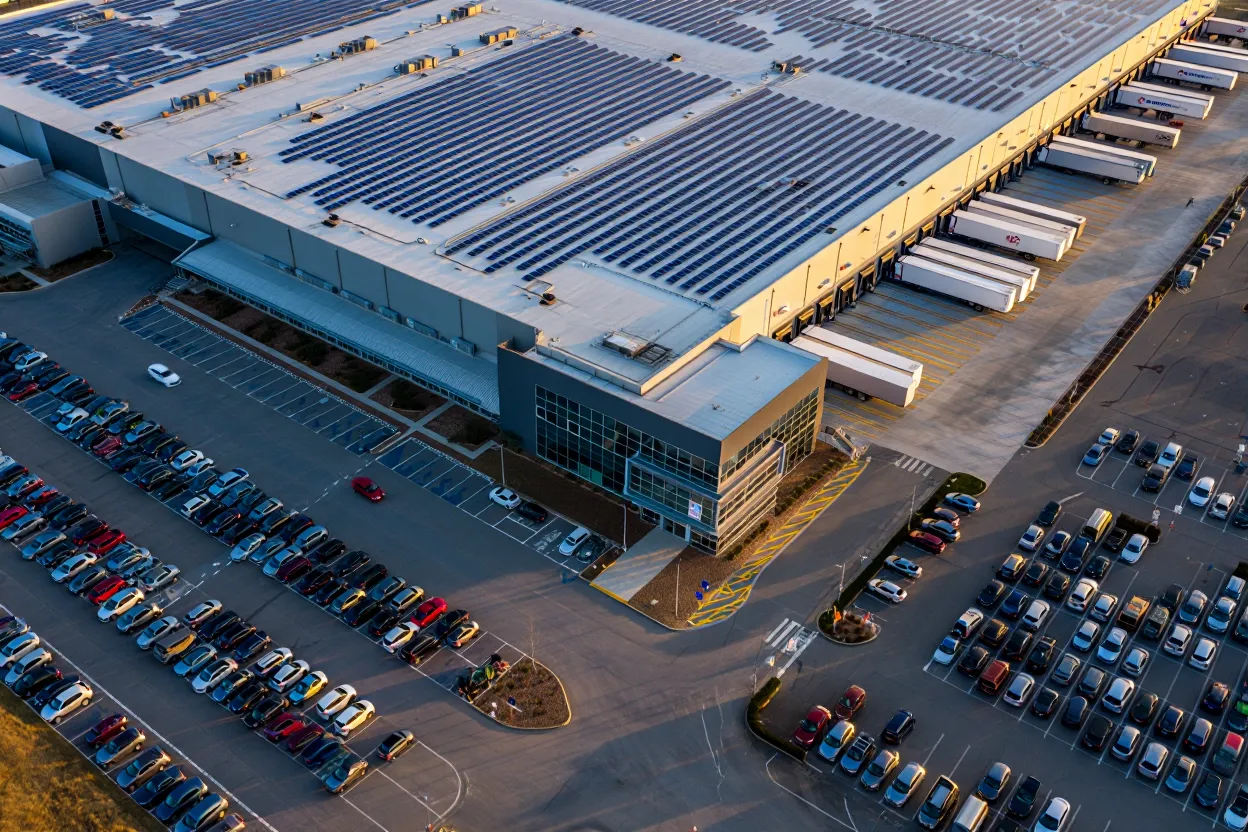
According to The WSJ, fueled by major investment in artificial intelligence, the US is seeing a sharp rise in data center construction. These high-tech facilities require massive workforces during the build phase, which has created a “gold rush” for skilled tradespeople.
For example, DeMond Chambliss in Ohio used to run a small contracting business. Now, he earns over $100,000 overseeing night shifts at a data center project. He manages 200 tradespeople and ensures deliveries and equipment stay on schedule. “I pinch myself going to work every day,” he said.
Big Pay, Big Projects
Because of the technical demands of data center builds, wages are rising quickly. Jake Rasweiler of staffing firm Kelly Services says workers who switch into the data center space often earn 25–30% more than before.
In Hermiston, Oregon, Marc Benner arrives at a site before dawn. He joins synchronized stretches with dozens of other workers, then spends his day monitoring electrical safety. His salary tops $225,000 a year, helped by daily incentive bonuses. “It’s my American dream,” he said.
Labor Crunch Hits Hard
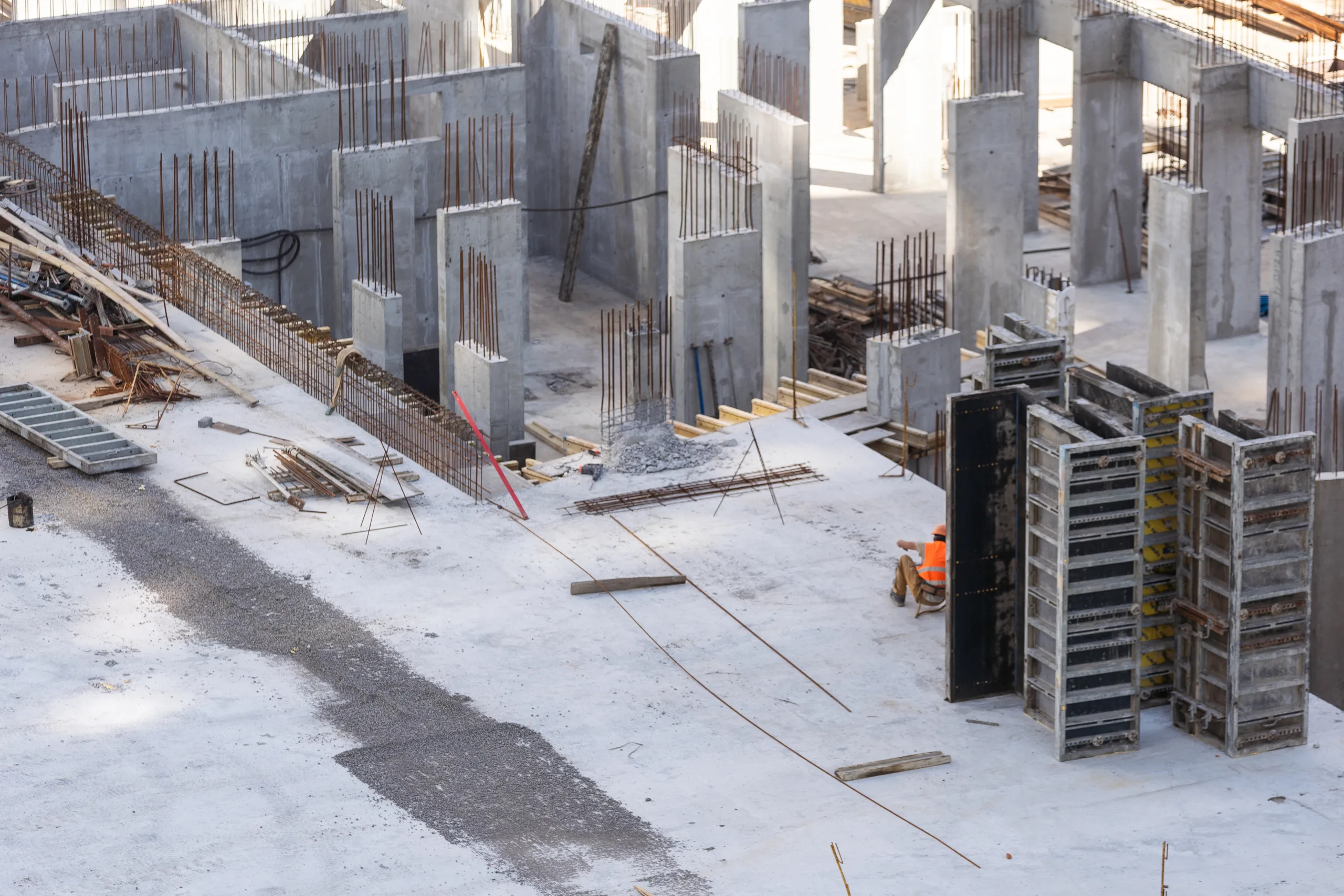
Meanwhile, the boom is colliding with a national shortage of skilled labor. According to the Associated Builders and Contractors (ABC), the industry is short about 439,000 workers—mainly in trades like plumbing, welding, and electrical work.
As other reports have shown, job openings in the construction sector have declined significantly in recent months. Yet, builders remain largely optimistic, as strong project pipelines continue to drive demand for labor despite the hiring gap.
As a result, delays are becoming more common. A recent Uptime Institute survey found that 52% of construction firms reported staffing shortages had caused disruptions. That’s up from 43% the year before. Furthermore, contractors working on data centers report an average backlog of nearly 11 months. In comparison, other contractors average about eight months.
Get Smarter about what matters in CRE
Stay ahead of trends in commercial real estate with CRE Daily – the free newsletter delivering everything you need to start your day in just 5-minutes
Incentives and Innovations
To address this gap, companies are offering new perks to attract and keep talent. For instance, Clune Construction now provides heated and air-conditioned break tents, free lunches, and better amenities on-site. Around 70% of Clune’s revenue now comes from data center work—twice as much as last year.
Similarly, Sundt Construction in Arizona offers bonuses and paid time off. However, they still can’t meet demand. “There aren’t enough people to build the magnitude of work out there right now,” said Sundt President Chad Buck. “Every general contractor in the country is trying to pull from the same pool.”
Additionally, some firms are hiring remotely for higher-level roles. Schweiger Construction recently began onboarding senior project managers who work from anywhere in the US, flying out to job sites only as needed.
Newfound Stability and Lifestyle Upgrades
For many workers, the data center boom brings rare job security. “Stability is a really big thing,” said Michael Damme, who manages concrete construction at three sites in Phoenix. He earns $200,000 a year and says recruiters are constantly trying to hire him.
Likewise, Shawn Jones left Colorado for a foreman role in Texas. There, he earns about 20% more—around $100,000—and drives home once or twice a month to visit his family. “I’m saving up some extra cash here,” he said. He plans to use the money for home improvements.
In Northern Virginia, where data centers are dense, the local electrician’s union is seeing a surge in interest. This year, it took in 615 apprentices, up from 510 last year. Don Slaiman, the union’s political coordinator, said membership has doubled in seven years, reaching 14,700.
New recruits start at $27 an hour, and they earn up to $60 after training. That career path is attracting more people like Claudia Achury, a 39-year-old electrician. Right now, she commutes nearly four hours daily to a bus depot project. Soon, she’ll transfer to a data center closer to home.
“I’ll get to join more of his soccer practices,” she said of her 6-year-old son. “He begs me, saying all the moms are there. I always get to show up for my job, but never for my family—this will give me the opportunity.”
What’s Next
As tech giants like Amazon, Google, and Microsoft develop over 400 new data centers, demand for skilled trades will only grow. Currently, they operate 522 data centers across the US, according to Synergy Research Group.
In the coming years, AI will require even more computing infrastructure. This trend suggests continued opportunity—and higher pay—for those in the trades.
Why It Matters
The AI revolution isn’t just a tech story—it’s reshaping the construction workforce. Data center projects offer rare financial stability and long-term careers for skilled tradespeople. For many, it’s the most rewarding work of their lives.