



- Data center developers need more upfront capital for land and power, but traditional lenders are reluctant to fund predevelopment.
- Capital recycling, sale-leasebacks, and securitized debt are helping bridge the early-stage financing gap.
- Skyrocketing costs for land and power, driven by utility requirements, complicate financing for data center projects.
- Innovative deal structures and new investor types are emerging to provide liquidity in data center capital markets.
Upfront Capital Requirements Surge
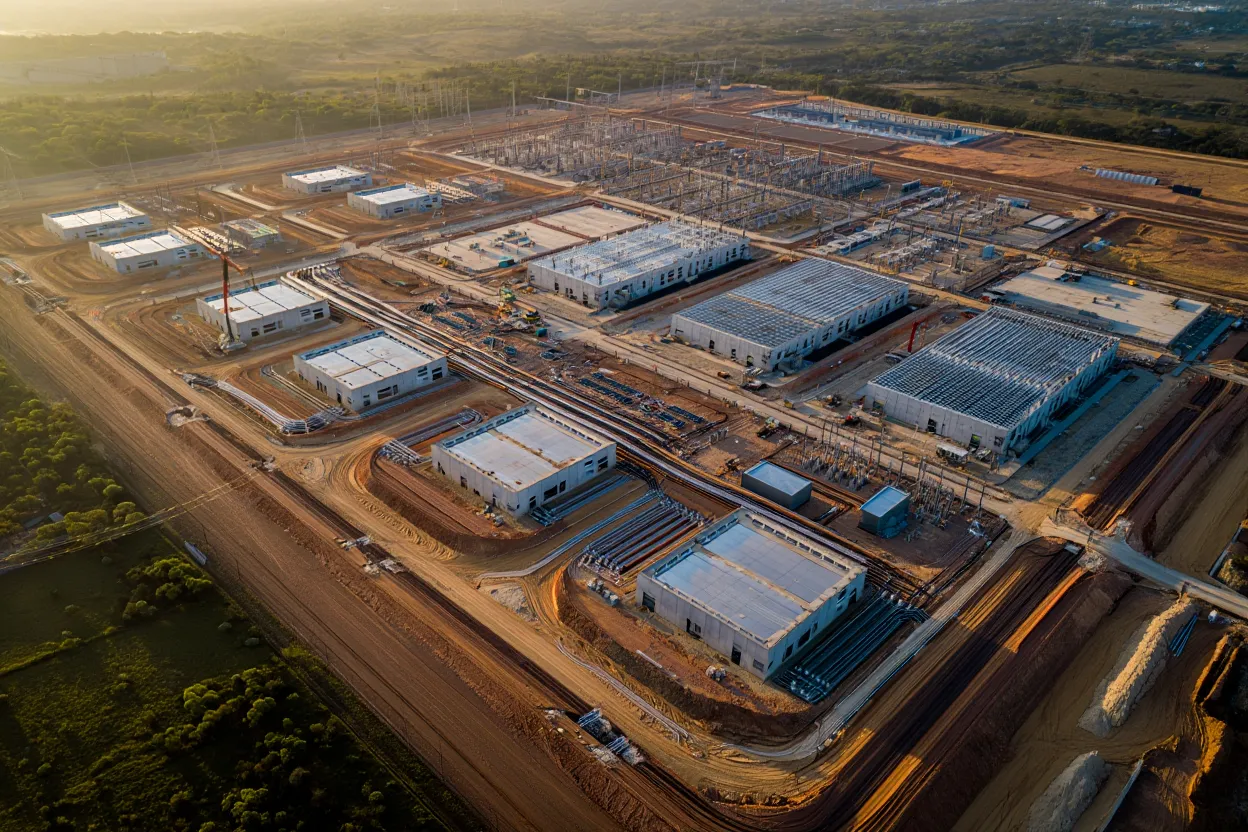
Amid strong demand from artificial intelligence and big tech, data center developers face unprecedented upfront costs for purchasing land and securing power. Prices for US data center land of at least 50 acres jumped by more than 23% last year, and utilities now require major commitments—often over $400M—before providing power infrastructure, according to Bisnow. These conditions are forcing developers to secure significant liquidity well before attracting tenants.
Traditional Financing Gaps Persist
Conventional lenders and equity investors remain hesitant to supply capital for land and power acquisition in advance of a signed user lease. This creates a Catch-22 for developers: they must find creative ways to fund early-phase costs without project-dedicated financing. Speculative loans are rarely available, and equity sources expect a signed lease before they commit significant dollars.
Get Smarter about what matters in CRE
Stay ahead of trends in commercial real estate with CRE Daily – the free newsletter delivering everything you need to start your day in just 5-minutes
Emergence of New Capital Solutions
Data center capital markets are adapting through strategies such as capital recycling—selling stabilized assets to fund new deals—and innovative financing tools like data center asset-backed securities and CMBS. These securitizations, nearly unheard of before 2021, represented 13% of single-asset, single-borrower transactions in the past year. A quarter of their value is typically reinvested into new projects.
Private Funds, Sale-Leasebacks, and Venture Approaches
Large firms are structuring private funds, like Digital Realty’s $3.5B development vehicle, using tenants’ rent proceeds from stable assets to cover new development costs. Other investors, such as Accelerate, conduct sale-leasebacks to recycle developer capital. That strategy mirrors how midsize banks are increasingly using sale-leasebacks to unlock balance sheet capital while maintaining operational control of their real estate. Venture approaches also emerge, with some investors spreading capital across multiple speculative land deals in hopes of outsized returns when projects realize value.
What’s Next
Capital needs are rising, and traditional funding sources remain limited. As a result, data center capital markets will continue innovating financing structures.
New investor groups are stepping in to fill the gap. Alternative risk-sharing models are also gaining traction. Together, they help bridge the predevelopment funding shortfall. Meanwhile, demand from AI and cloud companies keeps accelerating construction timelines. That pressure will likely drive even more creative capital solutions.