



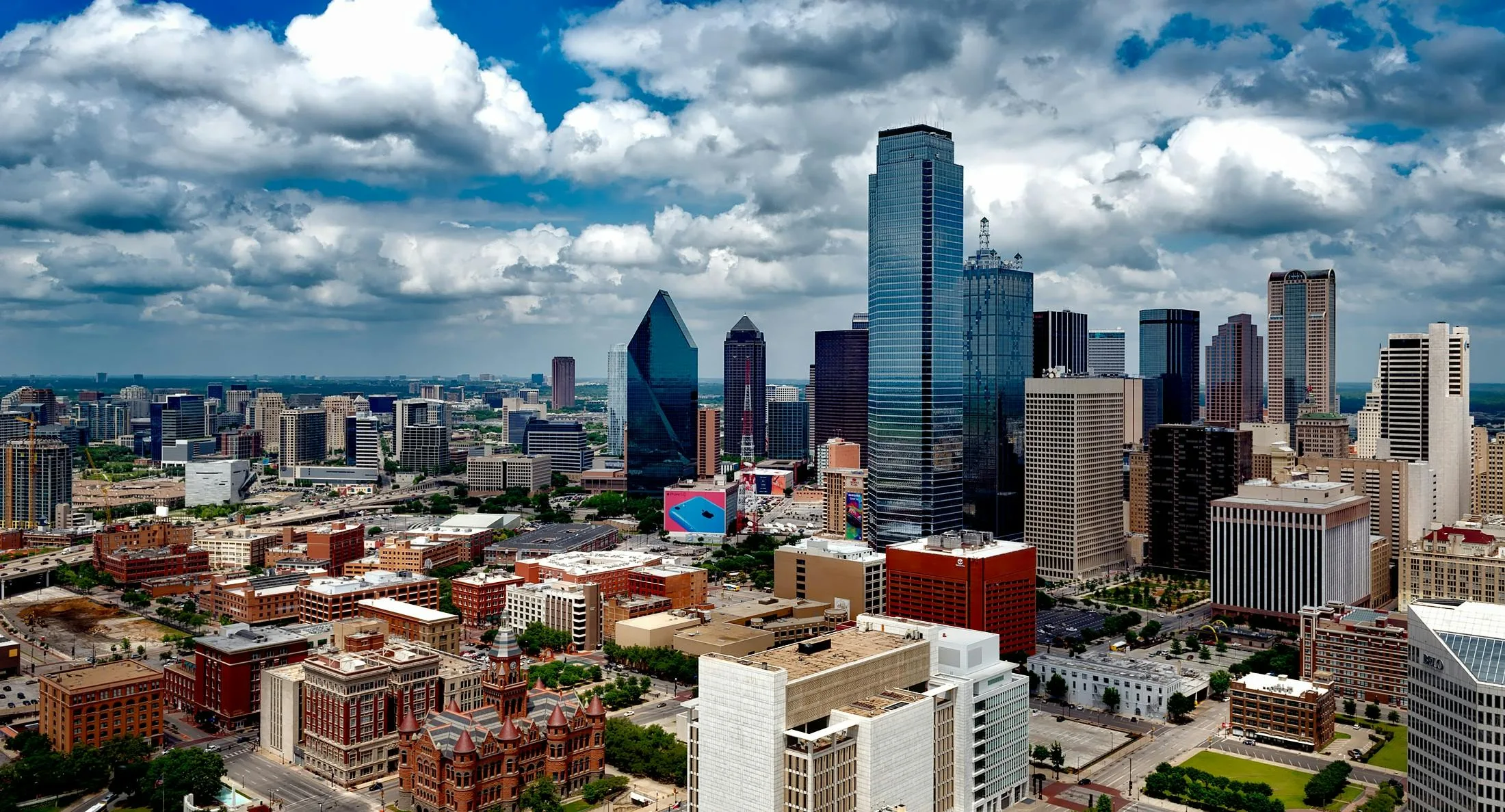
- Investors and lenders say Dallas-Fort Worth commercial real estate has likely moved past the bottom of the valuation reset, with transaction activity and liquidity improving in 2026.
- Multifamily and industrial continue to attract the most capital, while office, speculative industrial, and new development face tougher underwriting and financing conditions.
- Higher construction costs, shifting equity expectations, and new financing structures are reshaping how developers approach projects across North Texas.
Dallas-Fort Worth’s commercial real estate market is showing clearer signs of recovery in 2026, though industry leaders say the rebound will not lift all property sectors equally. Speakers at Commercial Observer’s Dallas Development and Investment Forum in late April pointed to returning capital, improving liquidity, and stabilizing valuations as evidence the market has moved beyond its steepest correction.
Still, developers, lenders, and investors cautioned that elevated construction costs, tighter underwriting, and uneven demand continue to create a fragmented recovery across asset classes.
Get Smarter About What Matters in Texas
Subscribe to our free newsletter covering the biggest commercial real estate stories across Texas — delivered in just 5 minutes.
A Market Finding Its Footing
Panelists repeatedly described the current cycle as an early-stage recovery after several years defined by inflation, rising interest rates, and declining asset values. Michael Hyun, chief investment officer at Crow Holdings, said the sector appears to be in the “first or second innings” of a new cycle after what he characterized as one of CRE’s weakest stretches in years.
According to Adam Simon, managing director of real estate at KKR, asset values across sectors reset roughly 20% to 40% during the downturn. But over the past 12 months, pricing has largely stabilized, improving conditions for both lenders and buyers.
Kris Lowe, vice chairman of debt and structured finance at CBRE, said broader lender participation has become one of the clearest indicators that confidence is returning. Major banks, regional lenders, life companies, CMBS shops, and debt funds are all re-entering the market, increasing competition and supporting higher deal volume.
The Details
Much of the optimism centered on Dallas-Fort Worth’s long-term fundamentals. Panelists pointed to sustained population growth, corporate relocations, and continued housing demand as key advantages for the metro area.
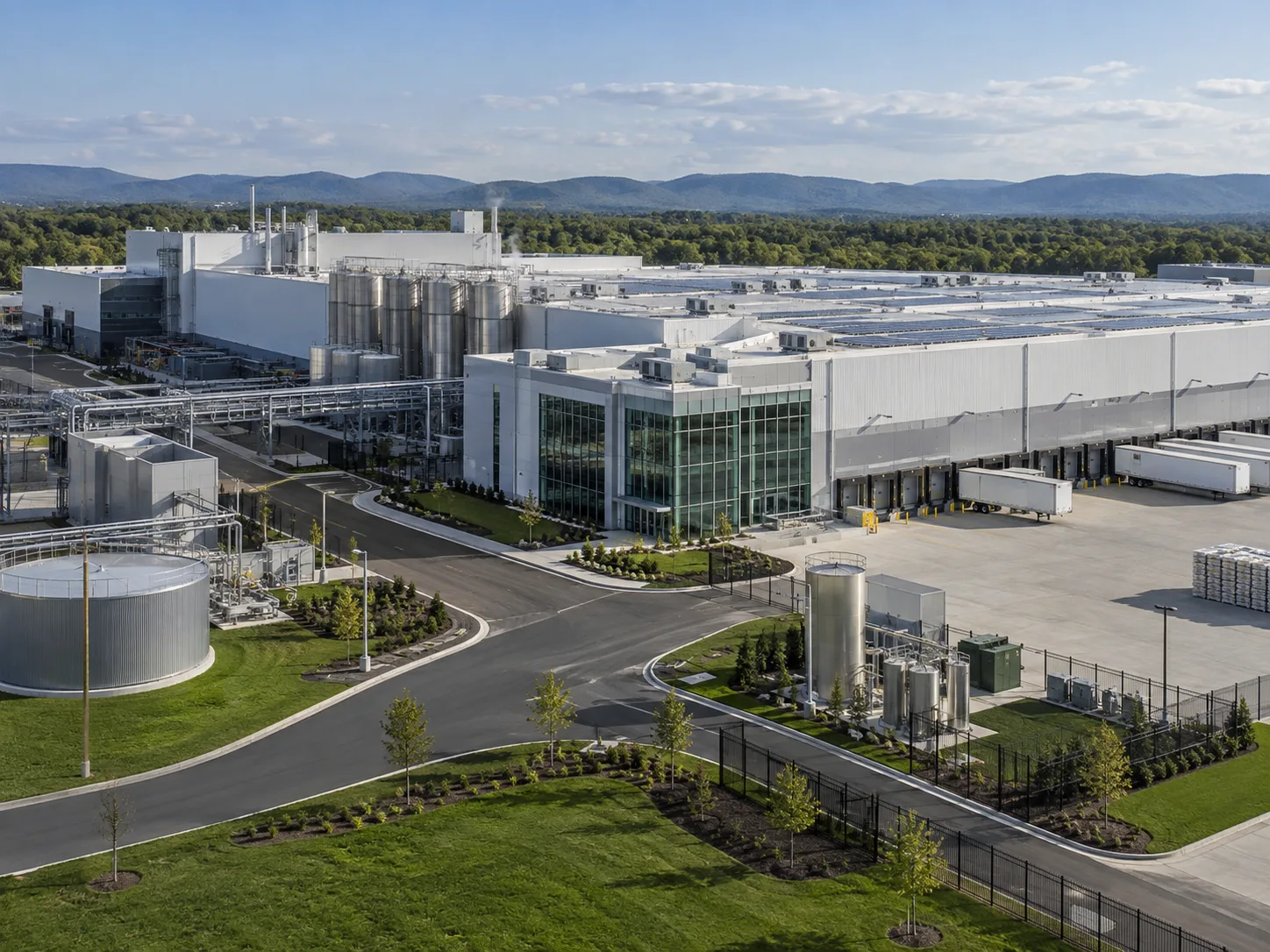
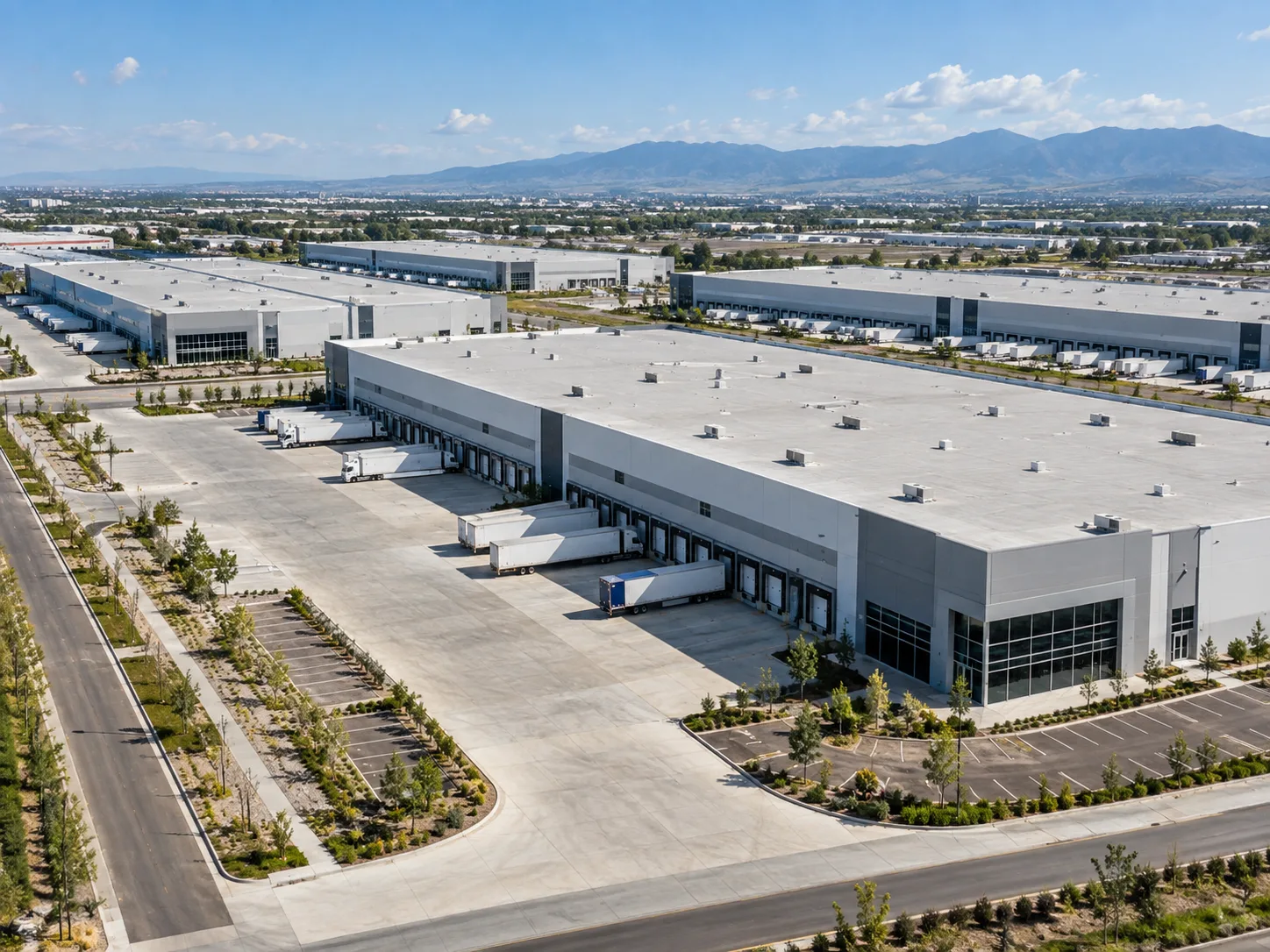
Multifamily and industrial — often referred to by investors as “beds and sheds” — remain the strongest-performing sectors. Lowe said CBRE continues to see the most activity in “living and logistics,” even as speculative industrial development slows.
Lenders are also becoming more selective. Ted Norman, managing director of commercial real estate at First Citizens Bank, said the bank remains active in multifamily recapitalizations and distressed refinancings but has reduced exposure to speculative industrial projects. Instead, the firm favors infill and shallow-bay industrial assets with rent-growth potential.
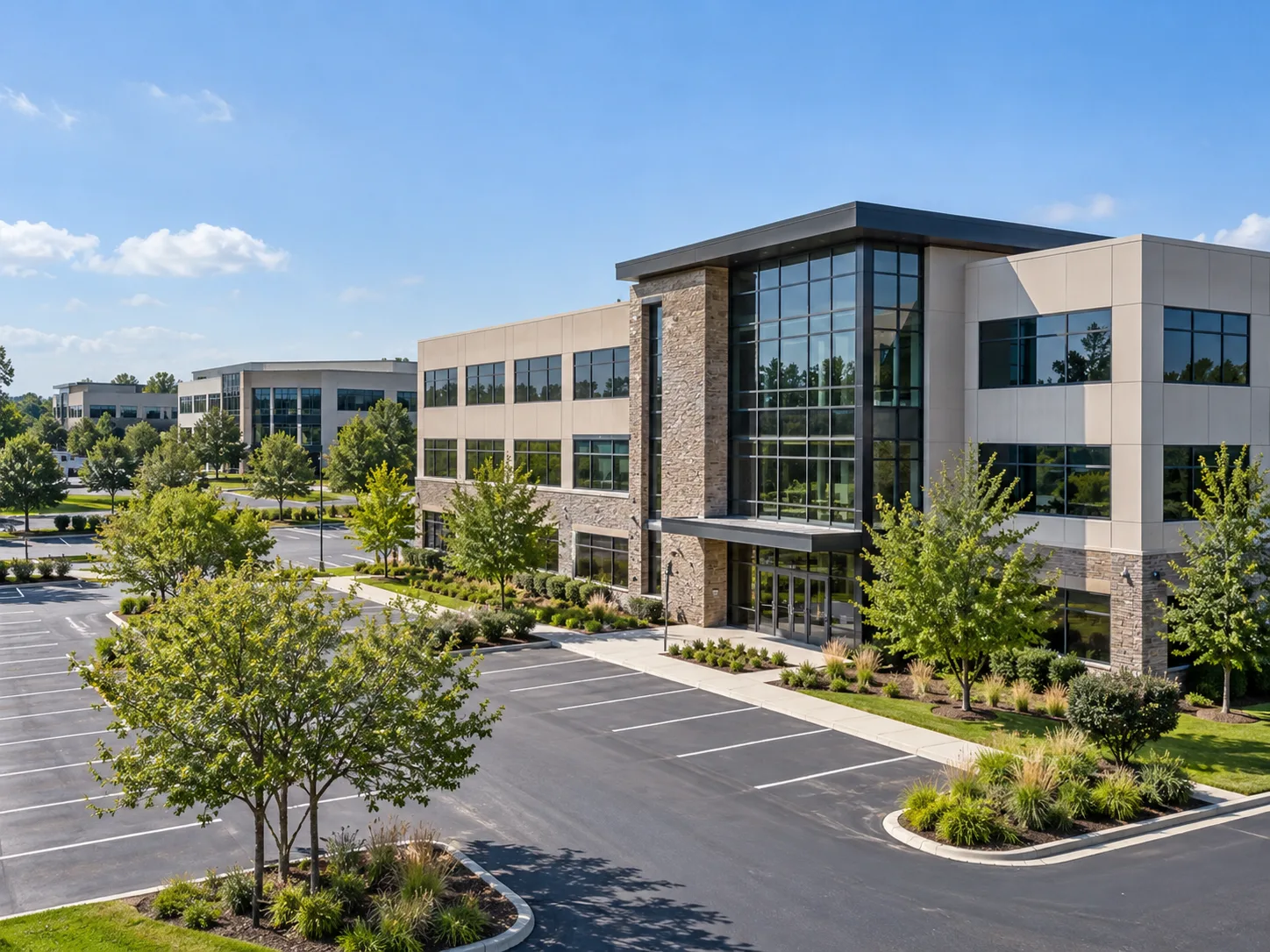
Office, meanwhile, remains challenged but not untouchable. Jon McAvoy, chief investment officer at PRP Real Assets, said opportunistic investors are finding openings in repriced office assets delivered between 2022 and 2024, particularly where lenders are willing to restructure capital stacks through mezzanine financing, refinancings, or balance sheet lending. That shift comes as Dallas office leasing activity has started to stabilize, helped in part by growing demand for flexible workspace and higher-quality buildings across key submarkets.
Development Pressure Builds
While capital is returning, panelists agreed development remains significantly more difficult than during the low-rate environment of the early 2020s.
Tamela Thornton, executive director of ULI Dallas-Fort Worth, said construction costs have climbed roughly 45% since the pandemic, while financing uncertainty and policy concerns continue to pressure project feasibility.
That shift is changing how equity investors evaluate deals. Tisha Vaidya, co-founder and principal of Elizabeth Property Group, said affordable housing investors are increasingly focused on immediate cash flow instead of long-term appreciation assumptions.
Developers are also searching for ways to control costs and accelerate delivery timelines. Edwin D. Tatum, CEO of TatumTek Modular Systems, said modular construction is gaining traction in markets like Dallas, Austin, and Toronto because it offers greater pricing certainty and faster construction schedules.
At the same time, some investors argue debt positions now offer returns comparable to development equity with lower risk. Andy Carmody, senior managing director of investments at Tricon, questioned whether many projects justify new equity exposure when lenders can achieve similar returns through credit investments.
Public-Private Partnerships Gain Traction
Several speakers highlighted public-private partnerships as an increasingly important tool for getting projects financed and approved.
Nadia Christian, partner at Wolverine Interests, said municipal partnerships can improve lender confidence by aligning projects with broader economic development goals. She pointed to recent redevelopment work in Arlington focused on linking underutilized sites with university and civic initiatives.
The strategy reflects a broader trend across Texas cities as developers seek public support to offset rising land, labor, and financing costs.
Why It Matters
Dallas-Fort Worth remains one of the country’s most closely watched CRE markets because of its population growth, business-friendly environment, and development pipeline. But the forum underscored that 2026’s recovery will likely favor well-capitalized sponsors, resilient asset classes, and projects with clear demand drivers.
According to CBRE and forum participants, liquidity is improving and transaction activity is picking up, but underwriting standards remain far stricter than before the Federal Reserve’s rate-hiking cycle began in 2022.
That dynamic could create a wider divide between stabilized assets and projects dependent on aggressive rent growth or future cap-rate compression.
What’s Next
Investors will closely watch how quickly transaction volume accelerates through the second half of 2026 as more lenders return to the market. Multifamily, industrial infill, data centers, and public-private redevelopment projects are expected to attract the strongest capital flows in Dallas-Fort Worth.
The bigger question is whether improving liquidity translates into a broader development rebound. For now, many market participants believe North Texas remains one of the best-positioned US regions for long-term CRE growth — even if the path forward looks uneven across sectors.