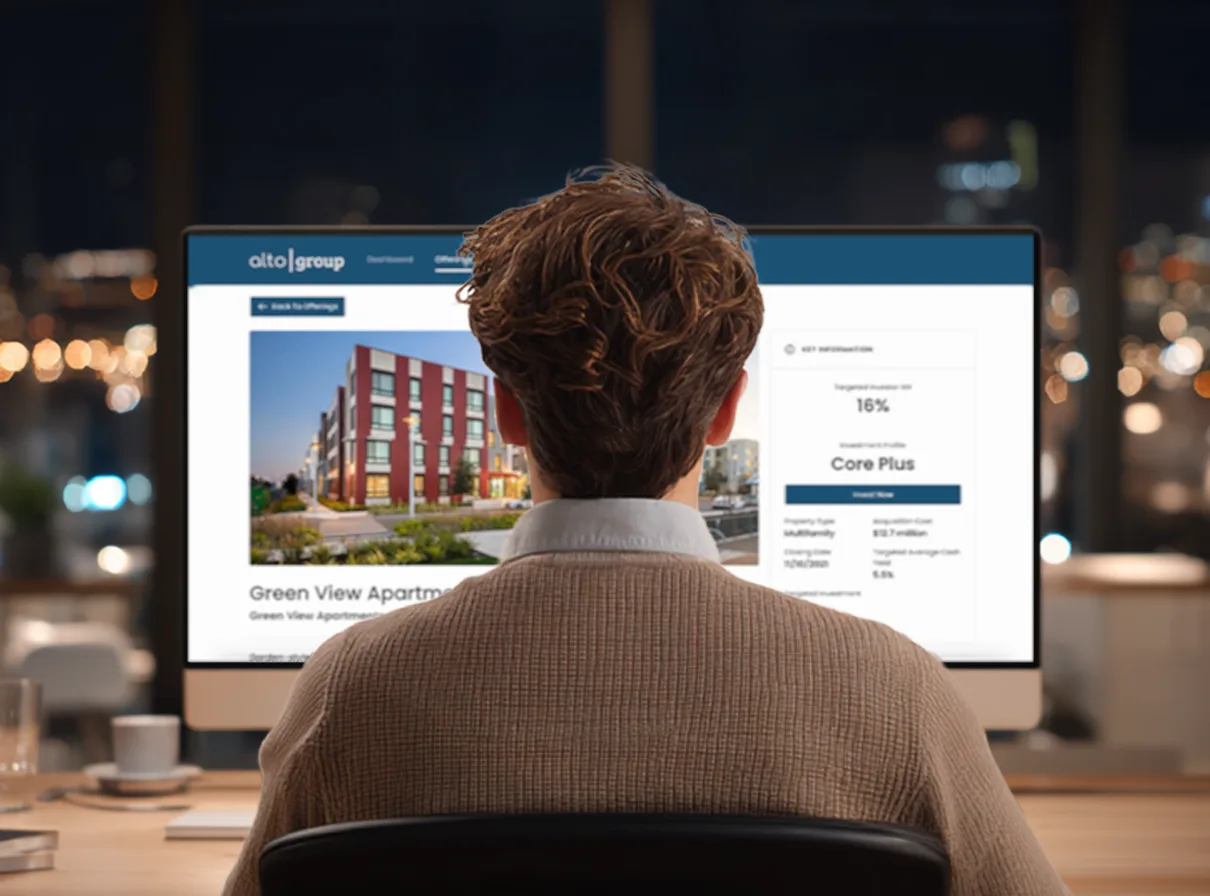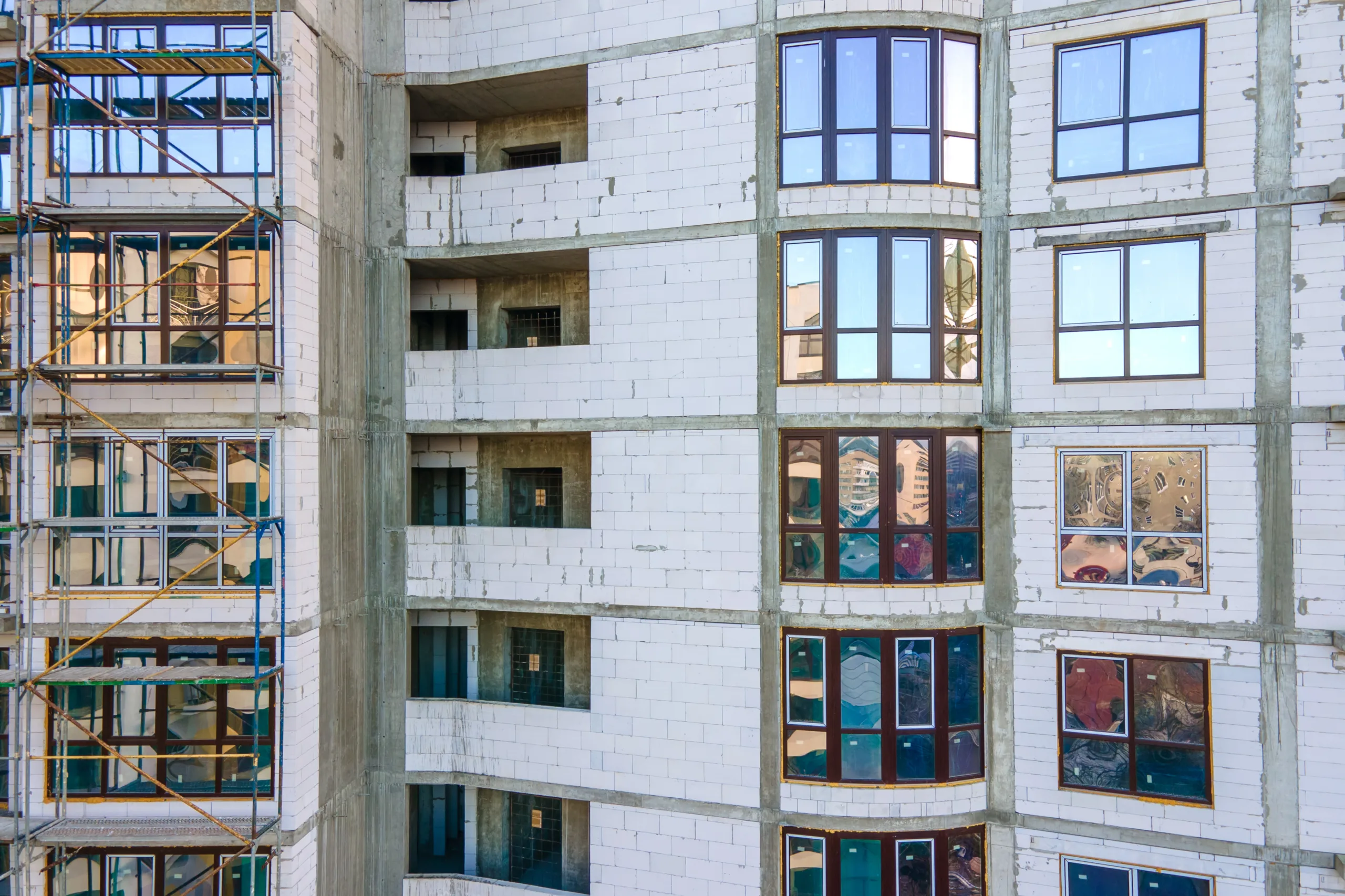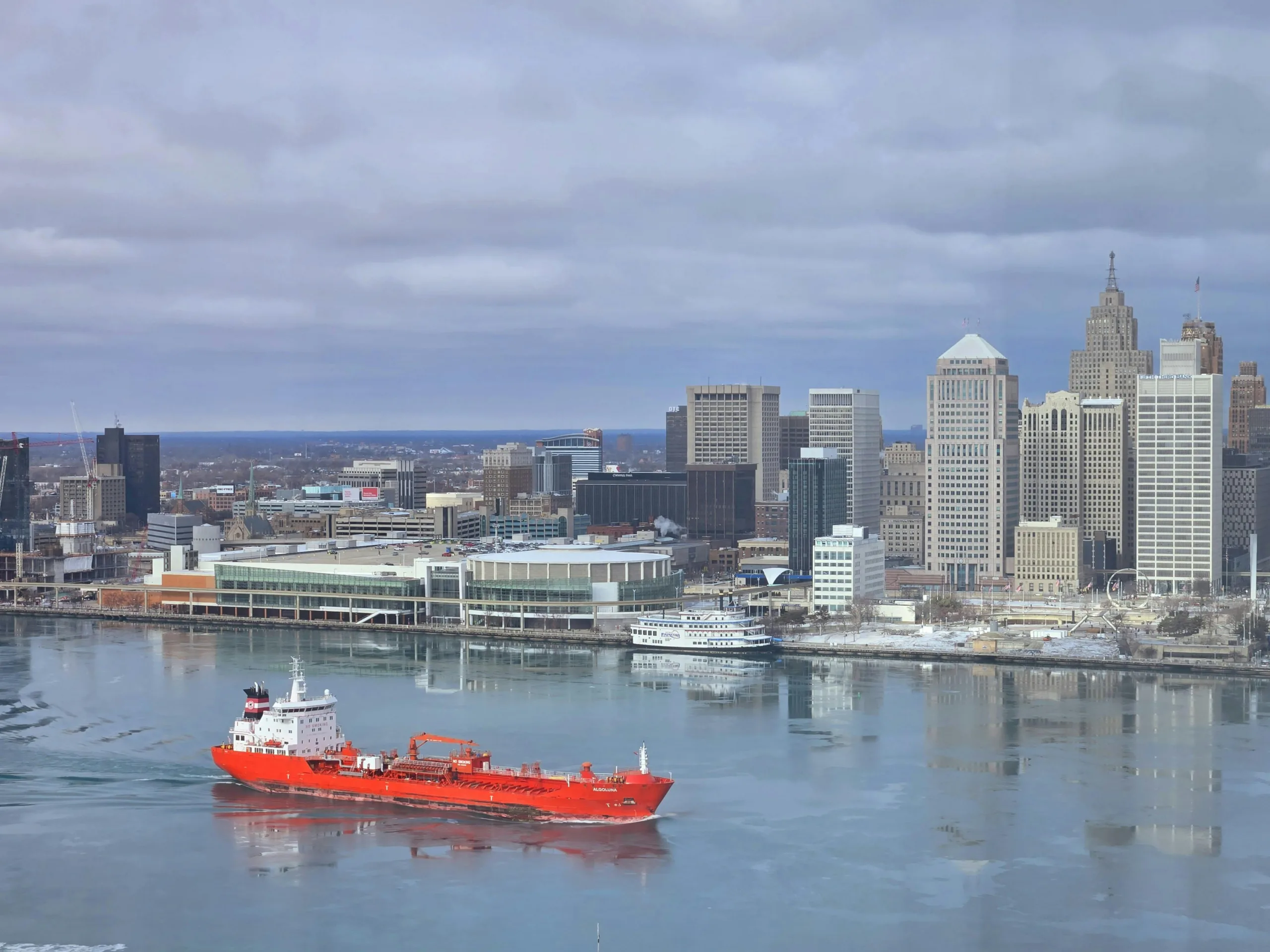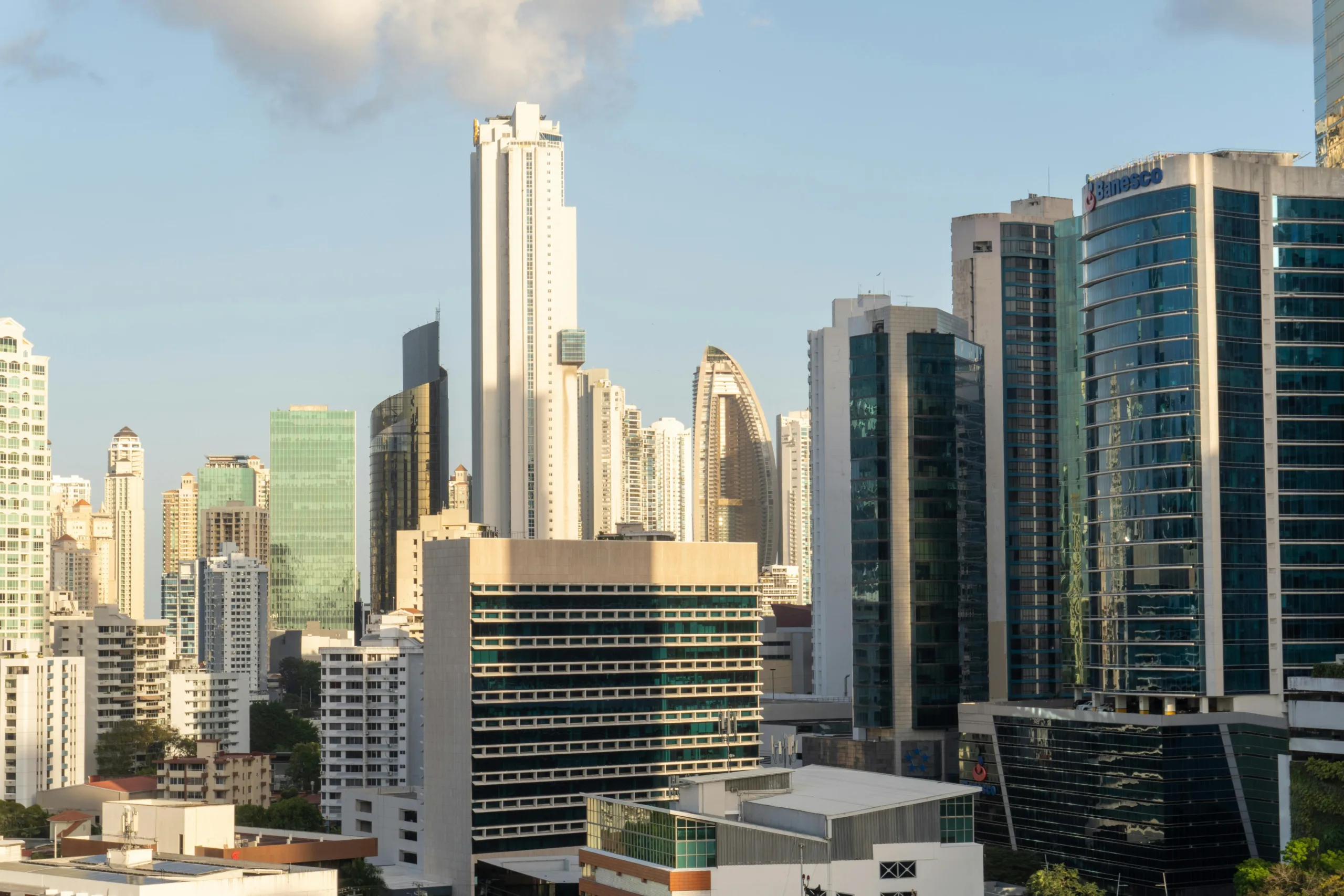





- Multifamily pressure is easing as new construction slows and underbuilt markets see healthy rent growth.
- Office momentum builds with six consecutive quarters of positive absorption and declining vacancy rates in key metros. Industrial demand improves but continues to lag supply after years of rapid development.
- Industrial demand improves but continues to lag supply after years of rapid development.
- Retail remains resilient with low vacancy in core markets and steady demand for necessity-driven retail.
Market Begins to Rebalance
According to Globe St, after a volatile period driven by high construction and mixed demand, the CRE market is showing early signs of stability. Marcus & Millichap’s latest report highlights progress across all major property types, including multifamily, office, industrial, and retail.
Multifamily Relief Gains Traction
The apartment sector is beginning to stabilize. Although demand has cooled, construction is also slowing, helping to narrow the gap between supply and demand. National vacancy ticked up to 4.6% in Q3. However, it remains 100 basis points below the level seen a year ago.
In high-growth cities like Austin, Dallas–Fort Worth, and Phoenix, oversupply continues to weigh on leasing. Meanwhile, markets with limited construction—such as Chicago, Cleveland, and San Francisco—have seen rents rise more than 5%, outperforming national trends.
Get Smarter about what matters in CRE
Stay ahead of trends in commercial real estate with CRE Daily – the free newsletter delivering everything you need to start your day in just 5-minutes
Office Sector Sees Continued Recovery
The office market posted its sixth straight quarter of positive net absorption, adding nearly 38M SF in Q3. As a result, national vacancy declined 30 basis points to 16.4%.
Several large markets showed strong gains. For example, San Jose, New York City, and Milwaukee each posted sharp drops in vacancy. Meanwhile, areas like Miami-Dade, Indianapolis, and Tampa–St. Petersburg reported some of the lowest vacancy rates in the country.
Industrial Sector Adjusts to Oversupply
Demand for industrial space turned positive again, with 20M SF absorbed in Q3. Yet, vacancy rose to 7.8%—a 12-year high—due to continued deliveries. Over the last decade, about 3.5B SF of industrial space has been built. Much of that inventory is still being leased, particularly near ports and logistics hubs.
Retail Maintains Steady Performance
Retail properties remain stable. Vacancy edged up slightly to 4.9%, though that’s still below long-term averages. Net absorption stayed positive, and key markets like Northern New Jersey, Miami-Dade, and Boston reported vacancy rates under 3.5%.
Demand remains strong for well-located centers, especially those anchored by grocery stores and other essential retailers. These assets continue to attract both tenants and investors.
Looking Ahead
Although challenges remain—especially in oversupplied markets—the broader CRE landscape is becoming more balanced. With construction slowing and absorption improving, investors may find more stable opportunities heading into 2026.