

- Condo insurance policies dictated if two neighboring Palisades communities could rebuild after a devastating fire.
- The Upper Woodies, with better insurance coverage, opted to sell land to a developer after an owner vote.
- The Lower Woodies, covered by the California FAIR Plan, are moving toward rebuilding due to policy restrictions.
- Increasing natural disaster risks are leading to insurance shortfalls and tougher rebuilding choices statewide.
Fire Aftermath Shows Value of Condo Insurance
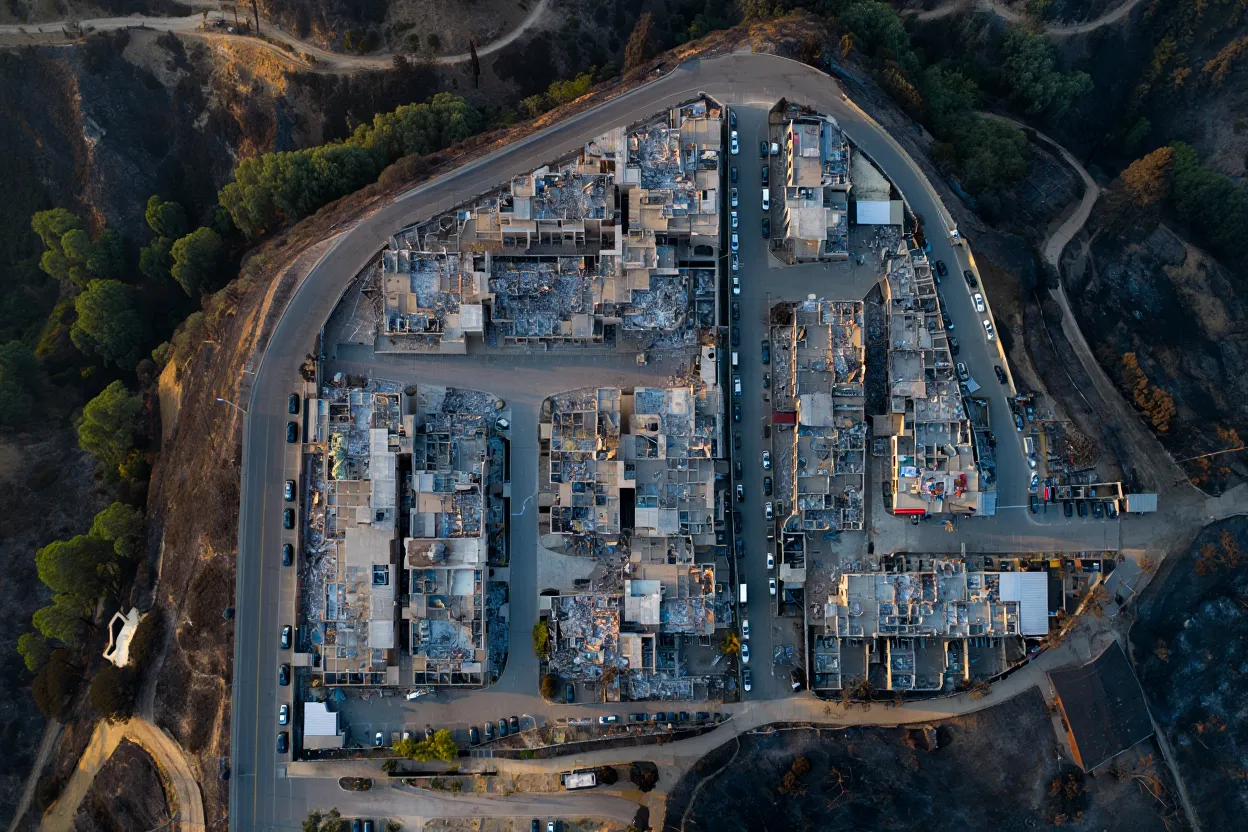
Two Los Angeles condo communities—the Upper and Lower Woodies—took different paths after all 82 units burned in the Palisades fire last year. Despite sharing near-identical layouts and community bonds, only their condo insurance policies separated their post-disaster options, says The WSJ.
Upper Woodies had a robust policy through State Farm, providing up to $36M—sufficient if at least 85% of rebuilding costs were covered. Lower Woodies, after being dropped by a private insurer, had minimal coverage via the state-run California FAIR Plan with a $20M cap, designed primarily for basic recovery rather than full restoration.
Upper Woodies Opt for Sale
In the Upper Woodies, insurance proceeds and HOA rules sparked heated debates and emotional votes over months of remote meetings. Ultimately, 89% of owners agreed to sell their land to a developer, splitting proceeds and moving forward. Residents cited challenges such as possible financial ruin if forced to rebuild, difficulties in working as a group, and the uncertainty of post-disaster costs and timelines.
Get Smarter about what matters in CRE
Stay ahead of trends in commercial real estate with CRE Daily – the free newsletter delivering everything you need to start your day in just 5-minutes
Lower Woodies Prepare to Rebuild
The Lower Woodies had limited options. Insurance payouts were tied to rebuilding, effectively locking the community into reconstruction. Some owners wanted to sell and leave. But most agreed rebuilding was the only viable financial path, especially for those with mortgages. The HOA hired a project management firm and chose a design-build strategy to manage the process. Their goal is to stay within the insurance coverage limit for construction costs. Timing and final budgets remain unclear, but owners are hopeful the plan will work.
Broader Implications for Condo Insurance
The different outcomes of these two Palisades complexes show the growing impact of condo insurance in disaster-prone areas. As private insurers exit high-risk markets, more communities rely on state-backed, bare-bones coverage. This shift leaves many with hard rebuilding choices.
In some fire-hit areas of Los Angeles, commercial properties across the Palisades and Eaton zones are also facing complex insurance and recovery challenges, reflecting how widespread the impact of coverage limitations has become. With wildfires and other disasters becoming more common, insurance gaps may increasingly shape the future of condo communities and regional housing stability.