





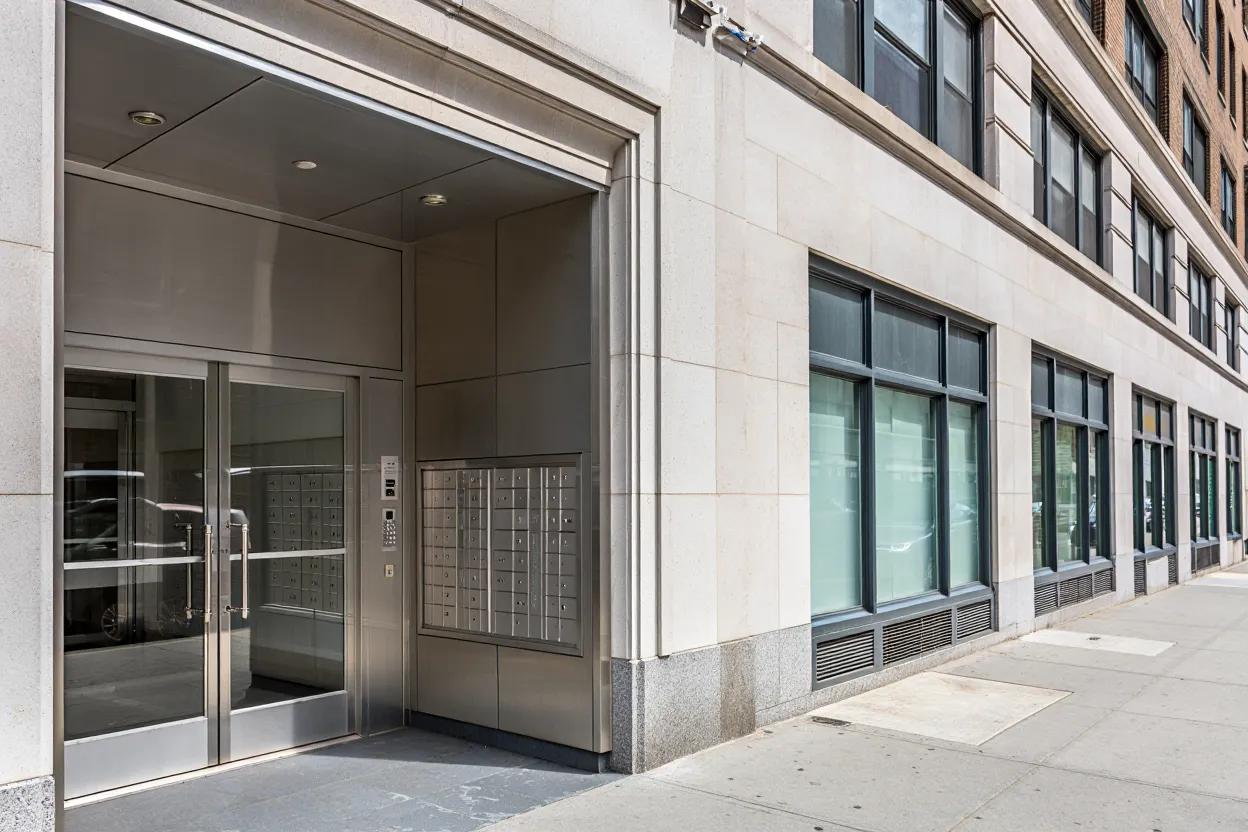
- New York City will tighten verification for condo and co-op tax abatements, requiring proof of primary residency.
- The crackdown is expected to cancel about $13M in abatements, helping address the city’s $5.4B budget deficit.
- The city’s definition of ‘primary residency’ remains ambiguous for abatement eligibility.
Residency Changes Target Abusers
New York City is tightening enforcement on its condo and co-op tax abatement program, per The Real Deal. The Mamdani administration now requires owners to prove their unit is their primary residence.
Officials expect stricter vetting to eliminate about $13M in tax breaks. City Hall plans to use the savings to help close a $5.4B budget gap. Some compliant owners may lose abatements if they fail the new process. However, the policy mainly targets owners who no longer live in their units but still claim the benefit.
Primary Residency Remains Vague
The campaign highlights how loosely ‘primary residency’ is defined for condo and co-op tax purposes in New York. Though the Department of Finance requires that units serve as the owner’s main home as of the tax status date, proving this has long relied on owner attestations. Legal precedent—as in a 1993 city council race—shows that even intent to return can suffice as evidence, complicating enforcement.
Appeals and Industry Reactions
Some industry observers see the measure as overdue. Longtime co-op board members say nonresident owners often rent units while still claiming abatements. This scrutiny mirrors broader enforcement efforts across the city, including recent financial penalties against landlords who violated housing rules. Owners denied the tax cut can appeal, but unclear residency standards may lead to uneven enforcement. For now, stakeholders must prepare for stricter oversight as the city targets compliance.
Get Smarter about what matters in CRE
Stay ahead of trends in commercial real estate with CRE Daily – the free newsletter delivering everything you need to start your day in just 5-minutes