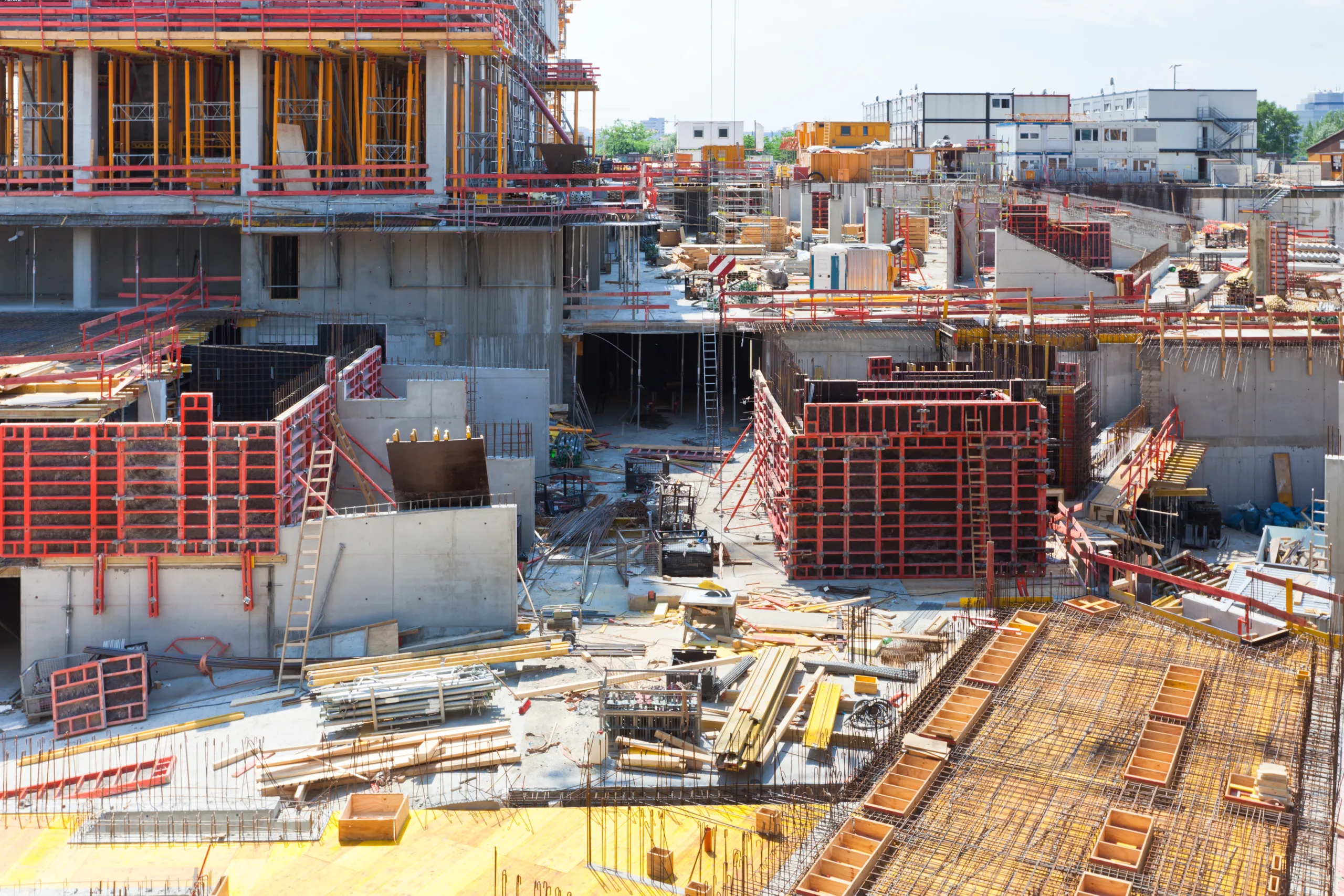



- JLL forecasts that construction in 2026 will continue to be shaped by lingering inflation, trade policy, and immigration restrictions, amplifying uncertainty across CRE development.
- Labor shortages tied to aging workers and stricter immigration enforcement are slowing growth across construction sectors, with employment growth rates set to fall significantly in 2026.
- Local markets will respond differently to these pressures, making adaptability in supply chain and project delivery strategies critical to success.
A Tipping Point for CRE Construction
After years of volatility, CRE professionals had hoped 2026 might bring greater stability. But according to Globe St, a new JLL report found that the construction sector is bracing for even deeper uncertainty. From shifting trade policies to tightening labor markets, the factors driving development decisions are becoming increasingly regional and harder to predict.
The Pressures Stack Up
JLL’s analysis highlights three main drivers of construction disruption in 2026: historical cost pressures, policy-driven supply issues, and widening labor shortages. Even as inflation begins to cool — with construction cost increases falling below 1% in 2025 — the cumulative impact since 2020 amounts to a 39% jump in final construction costs, well above overall CPI growth of 26% for the same period. Recent changes to tariffs and stricter immigration policies are compounding these issues, further straining both material supply chains and project labor planning.
Trade restrictions and supply chain complexity are also contributing to higher costs that interest rate cuts alone can’t neutralize.
Get Smarter about what matters in CRE
Stay ahead of trends in commercial real estate with CRE Daily – the free newsletter delivering everything you need to start your day in just 5-minutes
Labor Shortages Worsen
Workforce issues remain one of the most critical constraints. An aging labor pool, limited interest from younger workers, and tighter immigration policy are shrinking the pipeline for skilled labor. According to JLL, construction employment growth is slowing across every major category:
- Non-residential building: Growth is expected to fall from 3.3% in 2024 to just 0.03% in 2026.
- Residential: Projected to drop from 1.73% in 2024 to 0.62% in 2026.
- Specialty trades: Down from 1.77% in 2024 to 0.1% in 2026.
- Heavy and civil construction: Falling from 2.86% to 0.06% over the same period.
These trends are particularly problematic for regions without resilient labor markets, as importing workers becomes more expensive and difficult.
Spending Holds Steady — For Now
Despite these headwinds, construction spending in 2026 is expected to remain stable, with slight increases in residential and civil engineering sectors. JLL projects:
- Civil engineering (transport/utilities): Holding steady at $470B in 2026, up to $520B by 2027.
- Non-residential building: Falling slightly to $680B in 2026, flat into 2027.
- Residential: Climbing from $860B in 2025 to $880B in 2026 and $940B by 2027.
What Comes Next
As macroeconomic conditions become clearer, developers and contractors will need to embrace localized, flexible strategies. JLL emphasizes that successful construction in 2026 will depend on adopting modern project delivery methods, stronger risk management, and agile supply chain strategies to adjust to “rapidly evolving local realities.”
In short, the national construction picture may appear stable, but on-the-ground realities will vary — and navigating them will be key to staying competitive.