



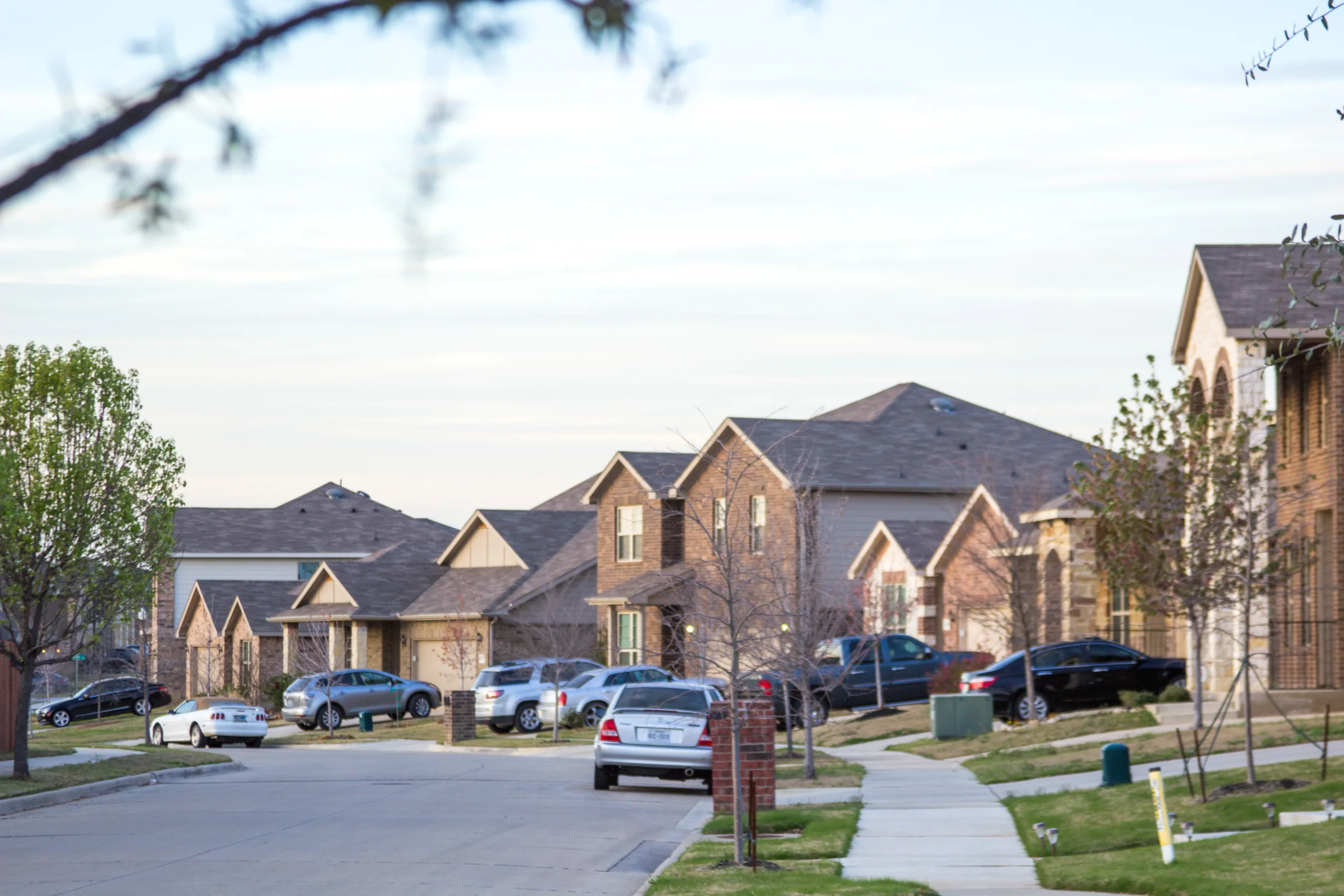
- Collin County’s GDP has grown nearly fivefold since 2000. By 2050, it’s projected to contribute 10% of Texas’ economic output.
- Cities like McKinney, Allen, Frisco, and Plano are fueling growth through corporate relocations, mixed-use development, and infrastructure investment.
- A high quality of life, business-friendly environment, and strong public-private partnerships have turned the region into a talent and capital magnet.
The Big Picture: North Texas’ New Economic Engine
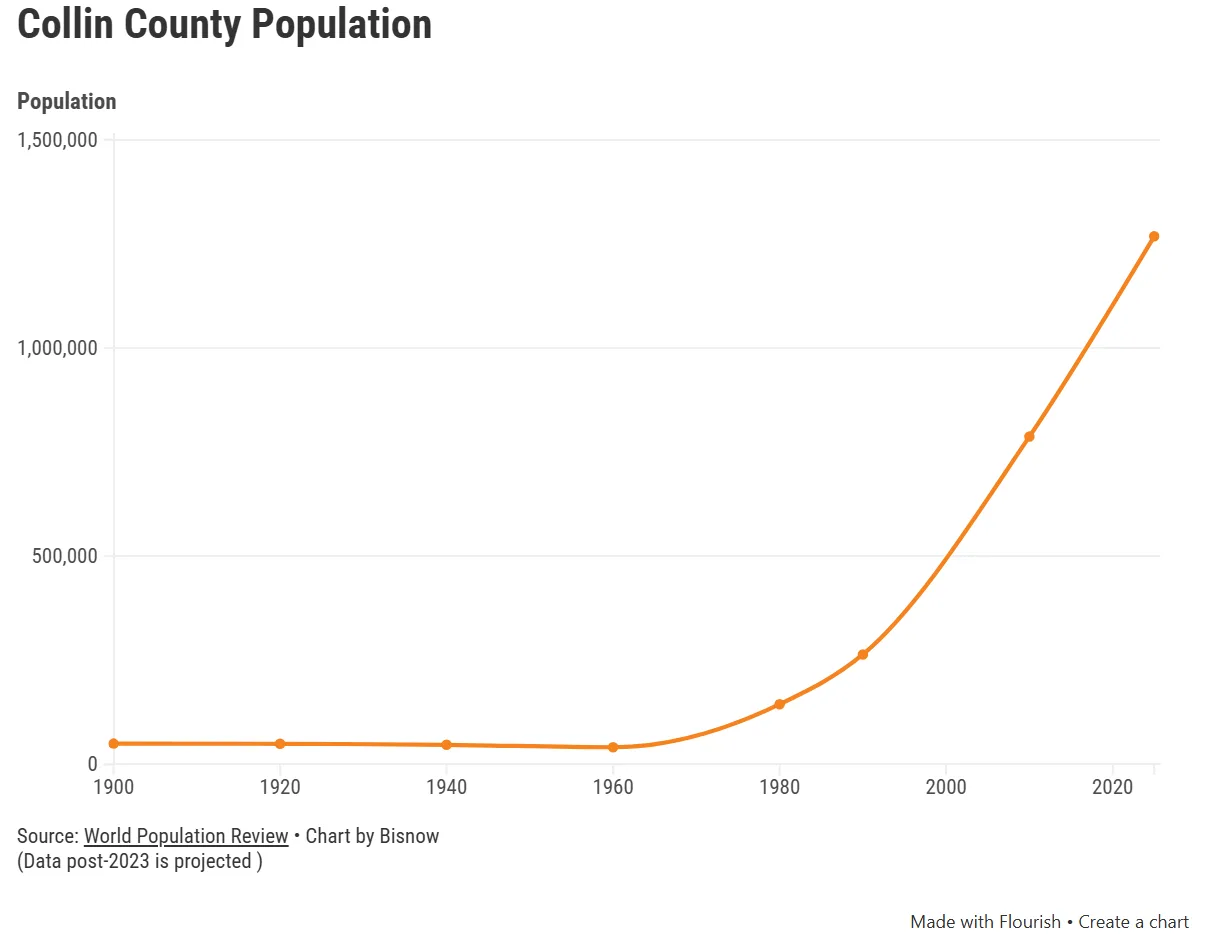
According to Bisnow, once a quiet suburb north of Dallas, Collin County is now a major driver of Texas’ economy. Its gross domestic product has increased nearly fivefold since 2000. At the same time, population growth has surged.
Analysts expect that by 2050, Collin County will generate 10% of Texas’ GDP, exceeding the economic size of some US states.
This growth isn’t by chance. Instead, it’s the result of deliberate coordination between local governments, business leaders, and economic development corporations (EDCs). These groups have transformed the region’s lifestyle perks—such as top-tier schools and modern infrastructure—into powerful tools for business attraction.
McKinney: Where Growth Takes Off
In McKinney, growth is tied to talent and long-term vision. Since 2020, the city’s population has more than quadrupled. Major employers have taken notice. For example, Globe Life is relocating its headquarters and 3,000 jobs to McKinney. Encore Wire is also expanding with a $500M investment.
Meanwhile, McKinney National Airport is undergoing a $79M expansion. It will offer commercial flights by 2026. This project is expected to spark further investment and job growth.
“If it’s a great spot for a workforce to plant roots and grow, that’s a compelling argument,” said McKinney EDC CEO Michael Kowski.
In addition, the city is investing in cultural amenities. The $300M Sunset Amphitheater, opening in 2026, will seat 20,000 and already has 200 of its suites sold.
McKinney is also using incentives wisely. Through its Innovation Fund, the EDC has supported nearly 50 tech startups since 2017. These companies are now worth more than $455M combined.
“We don’t view these as transactions,” Kowski said. “We’re forming long-term relationships with companies that will grow here.”
Allen: Redevelopment and Smart Investment
Just south of McKinney, Allen is managing growth differently. The city is mostly built out in terms of single-family housing. However, mixed-use and commercial redevelopment are filling the gap.
For example, Onsemi recently relocated its regional design center to Allen. The company invested $35M to overhaul a long-vacant building from the 1990s. The Allen EDC worked closely with the firm to solve infrastructure challenges, making the move possible.
“We’re where the government and private sector come together to solve real-world problems,” said Dan Bowman, director of Allen’s EDC.
Moreover, the city is reinvesting in infrastructure. Allen spends millions each year to maintain roads, especially near the busy SH-121 corridor. This commitment keeps the city attractive to residents and employers alike.
Get Smarter about what matters in CRE
Stay ahead of trends in commercial real estate with CRE Daily – the free newsletter delivering everything you need to start your day in just 5-minutes
Frisco: Walkable Growth With Mixed-Use Projects
In Frisco, mixed-use development is the core of its growth strategy. The city currently has over 10 active mixed-use projects in development, supporting both commercial and rapid residential expansion across the region.
Frisco is already home to The Star, the Dallas Cowboys’ headquarters, and Hall Park, which includes office buildings, apartments, and green space. These hubs serve as community centers and economic engines.
“Mixed-use development is essential,” said Frisco EDC President Jason Ford. “It supports walkability, resilience, and long-term success.”
Frisco is also home to the PGA of America’s campus and offers performance-based incentives. Companies must meet job or capital investment milestones before receiving public support.
Two major upcoming projects are Fields West, a 55-acre district with retail and hospitality, and Firefly Park, a 217-acre urban village with nearly 2,000 residential units.
“These spaces are where people want to be, and companies want to invest,” Ford said.
Plano: A Legacy of Corporate Leadership
Plano is the largest city in Collin County and its original corporate hub. Growth started in 1985 when Ross Perot moved Electronic Data Systems (EDS) to a 2,700-acre site. That move helped shift the economic center of gravity north from Dallas.
Since then, Plano has attracted major employers like Frito-Lay, JCPenney, Liberty Mutual, and JPMorgan Chase. Today, the city focuses on retention and redevelopment rather than greenfield expansion.
One key project is the transformation of the former EDS site into the Texas Research Quarter. This hub will focus on life sciences and advanced manufacturing. It’s also intended to keep emerging technologies in-state rather than losing them to coastal markets.
“This is probably just me being biased,” said Plano Economic Development Director Doug McDonald, “but Collin County is what’s rocking and rolling the state.”
Why It Matters: Regional Growth With Statewide Impact
Collin County’s success is a blueprint for modern economic development. It’s not just about growth—it’s about sustained, strategic growth. Public and private stakeholders are working in sync. As a result, they are delivering high-paying jobs, better infrastructure, and world-class amenities.
Tools like startup grants, commercial reinvestment, and performance incentives have helped create a business-friendly environment that attracts both talent and capital. At the same time, projects like the airport expansion and cultural venues like the Sunset Amphitheater enhance quality of life.
What’s Next: More Growth on the Horizon
Looking ahead, Collin County’s growth is far from over. New infrastructure projects, commercial hubs, and residential communities are in development across all four major cities. According to Savills, branded and mixed-use real estate projects are gaining popularity nationwide. Collin County is already ahead of that curve.
Whether it’s commercial air travel in McKinney, life sciences in Plano, or walkable urbanism in Frisco, the region is showing no signs of slowing down.
In short, Collin County isn’t just keeping pace with Texas’ growth—it’s helping drive it.