



- Class A multifamily in Houston recorded its lowest quarterly absorption in five years.
- Average rent fell to $1,258/month, a $20 drop over one year, with declines across all segments.
- Multifamily sales volume rose 9.2 percent year-over-year to $1.1B.
- Supply growth slowed, with Q4 deliveries and construction sharply down from 2024.
Weak Leasing for Class A Multifamily
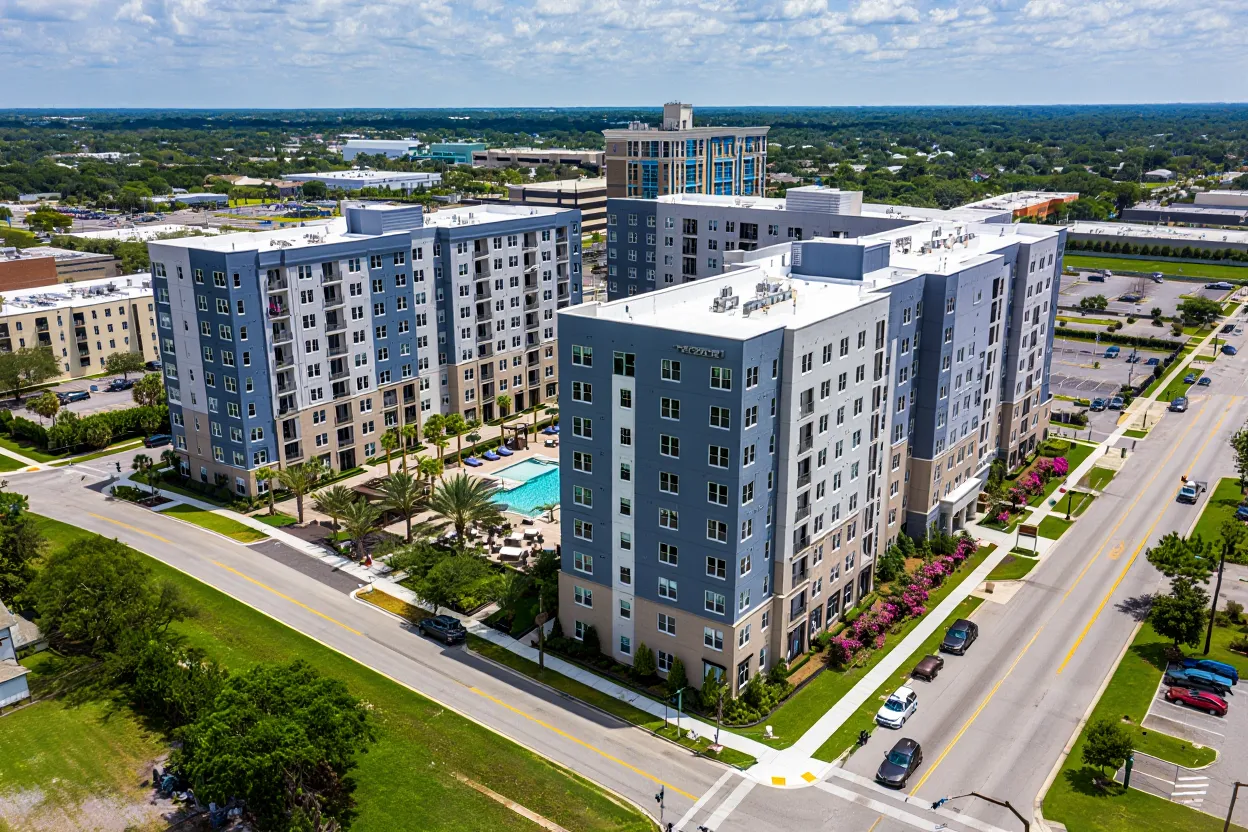
Houston’s multifamily sector saw a notable slowdown in leasing demand during the fourth quarter, particularly affecting Class A multifamily properties, reports Globe St. Total net absorption reached 3,749 units, below last year’s 4,562 and less than half of third quarter’s 10,833. Class A assets absorbed just 2,279 units—marking their weakest quarterly performance since 2021.
Stable Occupancy Amid Falling Rents
Even as leasing cooled, Class A multifamily maintained occupancy at a record-high 86.1 percent, contributing to 61 percent of absorption in the period. Across the board, Houston multifamily posted a 2 percent occupancy gain year-over-year, reaching 90.4 percent in Q4. Rents, meanwhile, declined for all property types, with average rates dropping to $1,258 per month—nearly $20 below late 2024, a shift that reflects broader national patterns, where some Class A properties have maintained pricing resilience despite fluctuating demand.
Get Smarter About What Matters in Texas
Subscribe to our free newsletter covering the biggest commercial real estate stories across Texas — delivered in just 5 minutes.
Investment Stays Strong as Supply Slows
Despite leasing headwinds, investor interest in Houston multifamily intensified. Sales climbed 9.2% to $1.1B on a rolling fourth-quarter basis. The average price per unit hit a record $173,079, up 19% YoY.
New supply also tightened. Developers delivered just 1,011 units—about a quarter of 2024’s projected year-end pace. Construction starts fell 34%, pointing to more supply pressure ahead.
What’s Next
Colliers’ Houston leadership highlights that strong occupancy rates and reduced new construction are supporting stability in the multifamily sector. The slowdown in supply growth may help balance market conditions and underpin investor confidence heading into 2026.