





- Cap rates fell in high-demand sectors like car washes, c-stores, and industrial due to strong tenant demand and expanding inventory.
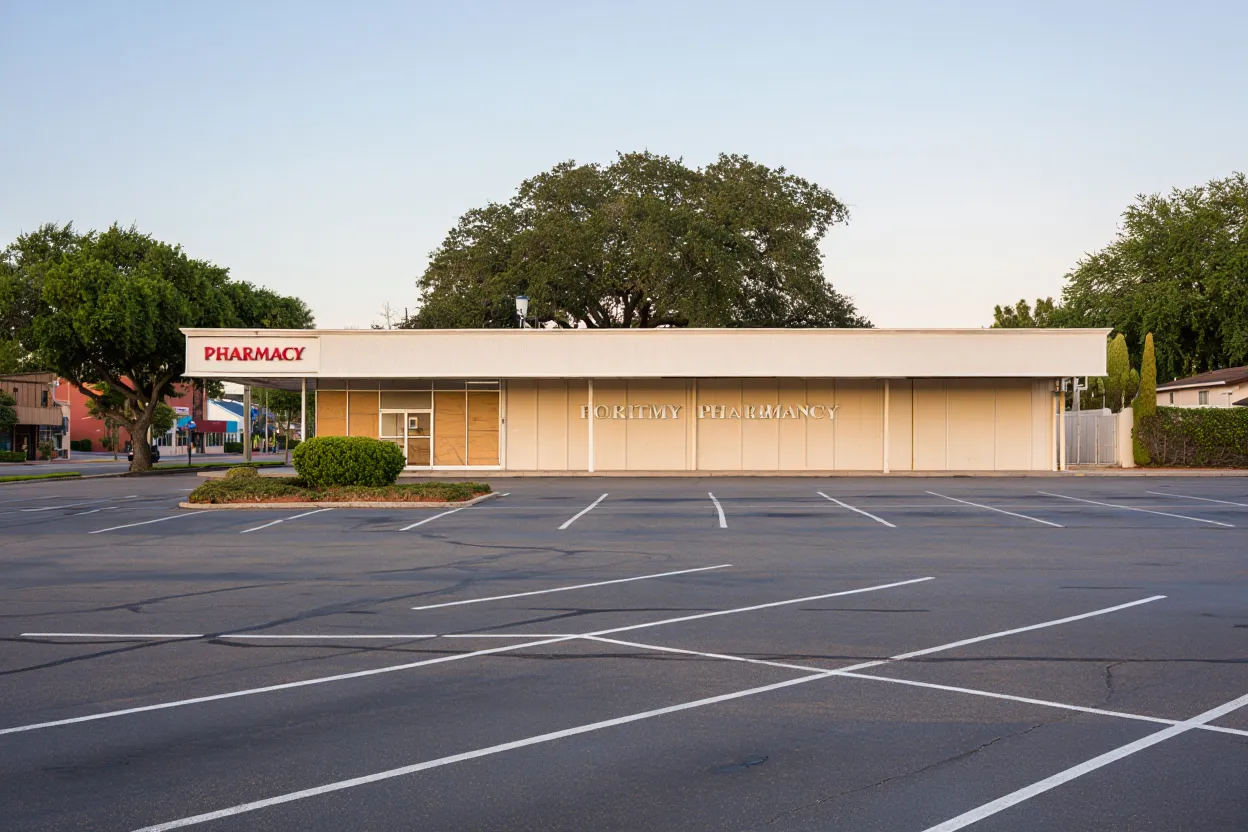
- Rising cap rates in pharmacies and discount retail reflect tenant distress and investor caution.
- Underwriting is increasingly centered on tenant strength, lease structure, and real-time asset demand.
Cap Rate Drivers Shift To Sector Fundamentals
Cap rate trends in Q3 showed a break from macro-driven narratives, with investors prioritizing tenant durability and sector momentum, reports GlobeSt. Car wash properties led the decline, averaging 6.27%, down 20 bps from last quarter. Quick Quack assets priced as low as 5.50%, while Mr. Clean listings topped out at 7.13%. Convenience stores followed, with Wawa averaging 4.79%, 7-Eleven at 5.27%, and Circle K at 5.66%.
Industrial, Grocery, And QSR Stay Tight
Industrial distribution assets saw cap rates fall to 6.66% despite 34 new listings. FedEx properties averaged 6.53%, while Amazon-led assets held at 5.46%. Grocery and QSR cap rates remained compressed, with Aldi at 5.15%, Sprouts at 5.69%, McDonald’s at 3.93%, Chick-fil-A at 4.30%, and Chipotle at 4.87%—reflecting high-credit tenants and long-term leases.
Get Smarter about what matters in CRE
Stay ahead of trends in commercial real estate with CRE Daily – the free newsletter delivering everything you need to start your day in just 5-minutes
Pharmacies And Discount Retail Face Pressure
Pharmacy cap rates ticked up to 7.48%, led by Walgreens at 7.84% and Rite Aid at 7.59%, the latter weighed down by short lease terms. Discount retailers also trended higher—Dollar General at 7.17% and Family Dollar at 8.01%—amid shifting consumer behavior and investor wariness.
Mixed Performance In Specialty Assets
Big box assets had the largest cap rate drop (down 26 bps to 6.48%), though results varied: Tractor Supply averaged 5.93%, while At Home reached 8.95%. Early learning centers and healthcare tenants remained relatively stable, with Cadence Academy at 6.45% and DaVita at 6.43%. Urgent care operators like Total Point pushed cap rates higher, reaching up to 7.04%.
Why It Matters
Cap rate trends are now tightly linked to tenant quality and sector-specific momentum. For investors, pricing risk requires asset-level scrutiny—not just a read on interest rates. Expect continued bifurcation as strong-credit tenants tighten further and weaker operators see spreads widen. Sector fundamentals—not macro signals—will drive net lease pricing through year-end.