



- Saint-Gobain has invested nearly $7B in North America over the last three years.
- Its prefab building materials and “One Precision” assembly system can reduce build times up to 50%.
- US-based production helps avoid tariffs and enhances supply chain reliability.
- The firm emphasizes climate resilience, sustainability, and local workforce training.
Building Materials Strategy Drives US Expansion
Saint-Gobain, the French building materials conglomerate, is ramping up investment and production in the US, according to CNBC. With nearly $7B poured into North America since 2021, the company now counts 18,000 employees across more than 160 sites. Its North American sales totaled $10.5B in 2024, underscoring the region’s strategic importance for the global group.
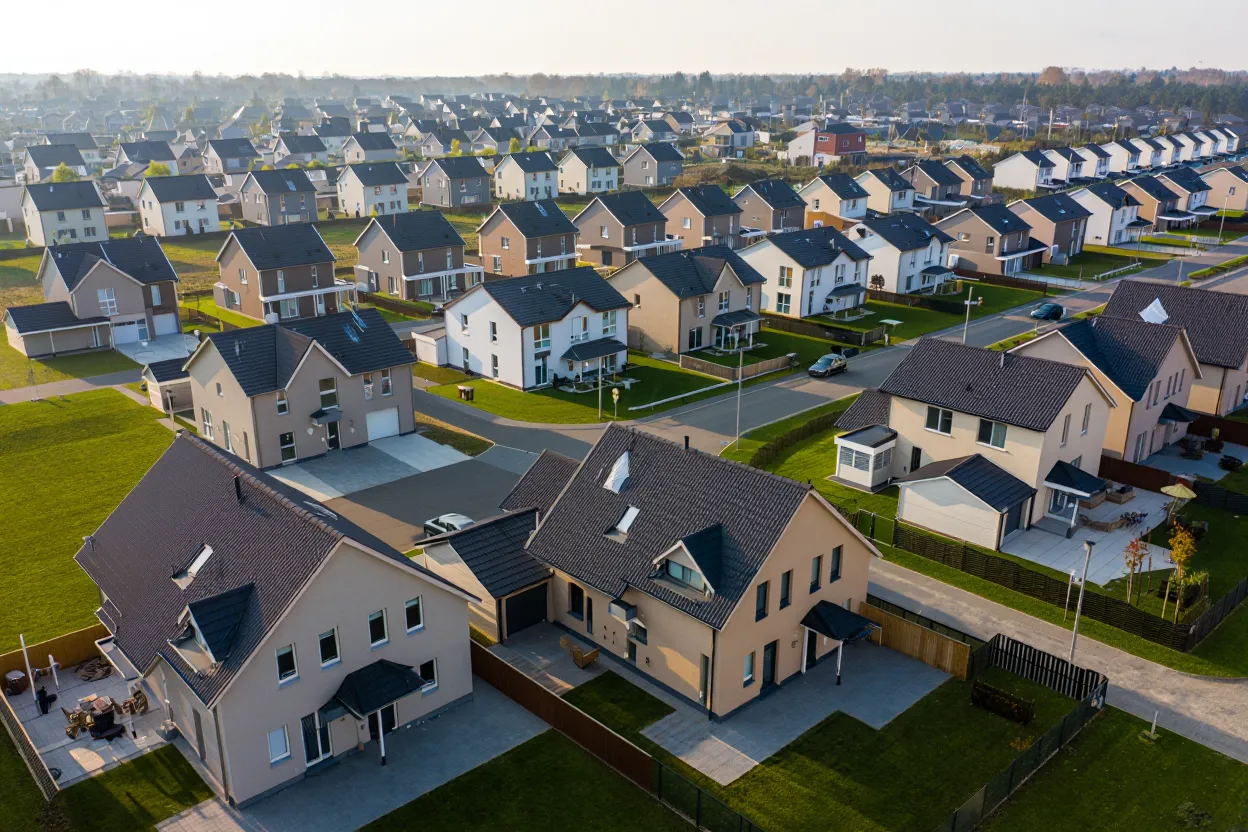
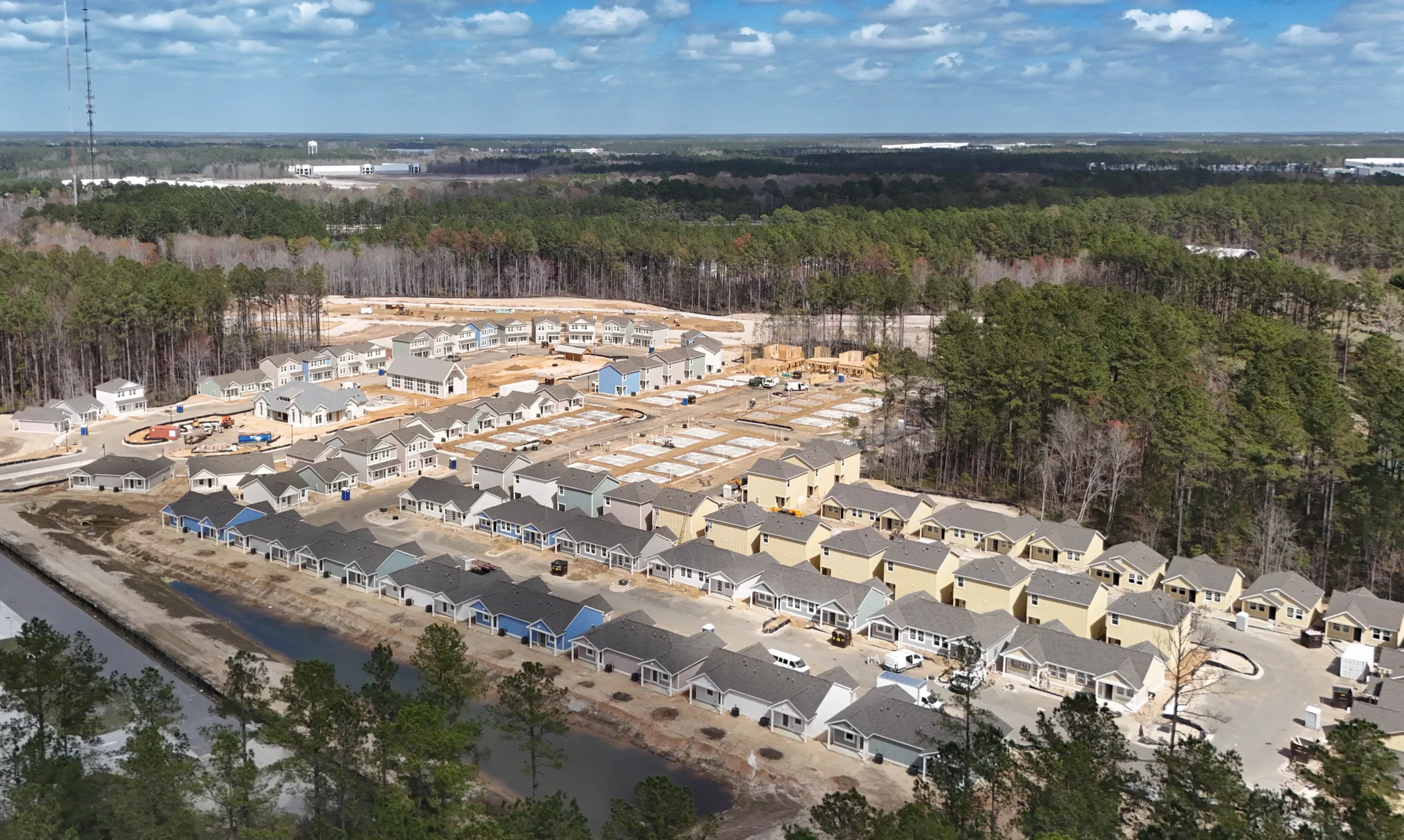
CEO Mark Rayfield highlighted the “underbuilt” US housing market and significant demand for both new homes and commercial renovations. Addressing these needs, Saint-Gobain is prioritizing organic growth by expanding manufacturing and deploying new construction methods.
Prefab Building Materials Boost Speed and Efficiency
At the core of Saint-Gobain’s US strategy is its “One Precision” prefab system—factory-built wall, floor, and roof panels that replace traditional on-site framing. By shifting labor into controlled manufacturing environments, the company claims it can accelerate build times by 30% to 50%. This decrease in cycle time enables smaller builders to triple their output and helps mitigate labor shortages and weather delays.
Get Smarter about what matters in CRE
Stay ahead of trends in commercial real estate with CRE Daily – the free newsletter delivering everything you need to start your day in just 5-minutes
Local Production Mitigates Tariffs, Strengthens Supply Chain
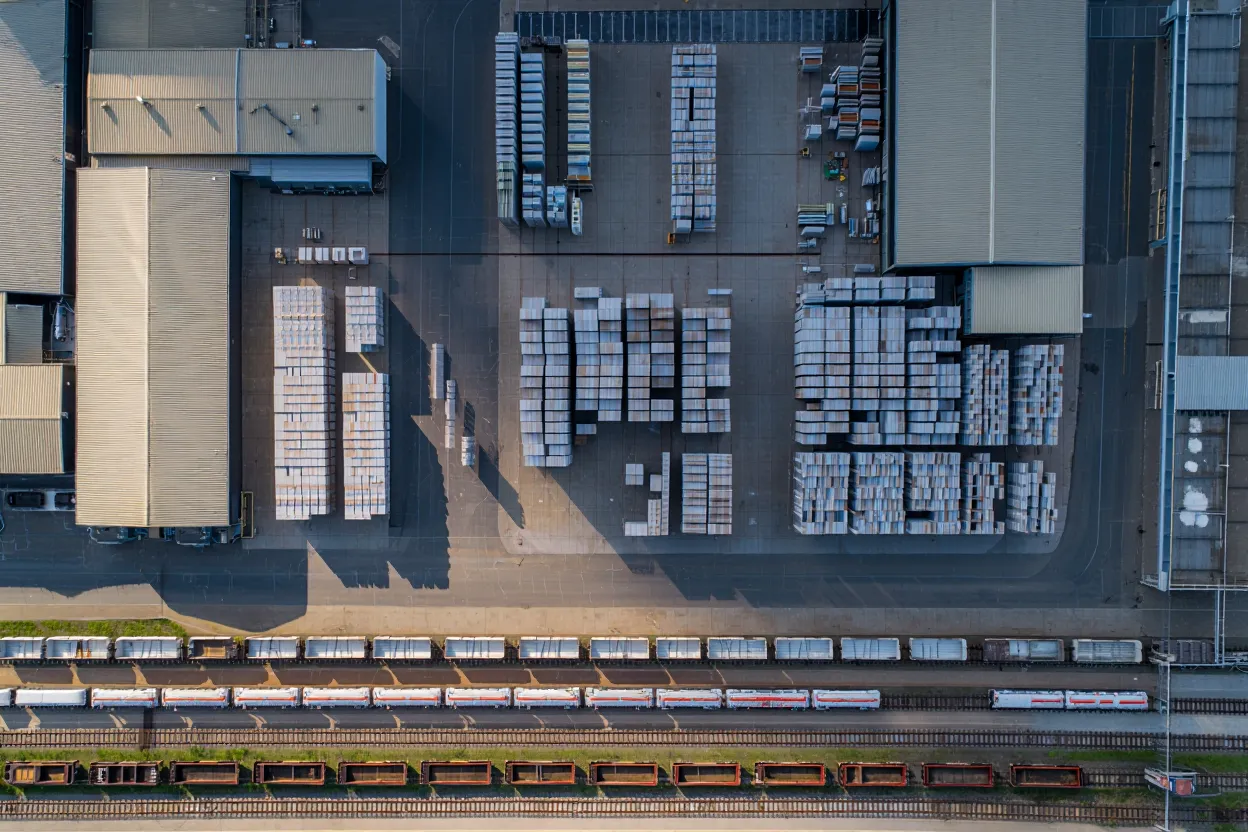
Saint-Gobain’s focus on building materials manufacturing in states like Florida, Georgia, North Carolina, and New York helps protect the firm from tariffs affecting major US homebuilders. Recent tariff delays have helped stabilize material pricing, offering temporary relief to developers and improving cost predictability across the construction pipeline. The “local for local” approach was reinforced with last year’s completion of a major expansion at CertainTeed’s Palatka, Florida plant. The facility, now the world’s largest gypsum wallboard site, supplies the Southeast and offers efficient distribution via deep-water port and rail access.
Resilience and Sustainability Remain Central
As climate risks continue to intensify, Saint-Gobain is increasingly integrating building materials designed for resilience—tailoring homes to withstand fire, hurricanes, floods, hail, and extreme cold, depending on the region. At the same time, the company is continuing to invest in sustainable materials, energy-efficient manufacturing processes, and workforce training initiatives. Importantly, Rayfield emphasized that the firm’s prefab solutions do not raise costs for homeowners and can, in fact, help lower the industry’s carbon footprint. As a result, Saint-Gobain is positioning itself at the intersection of affordability, resilience, and sustainability.