




- Prologis and GIC create a $1.6B joint venture for US build-to-suit logistics facilities.
- Initial portfolio includes 4.1 MSF, with plans for further expansion tied to customer demand.
- Build-to-suit now accounts for more than 60% of Prologis’ new development starts.
- The JV targets evolving supply chain needs and offers institutional investors stable, long-term assets.
Expansion in Build-to-Suit Logistics
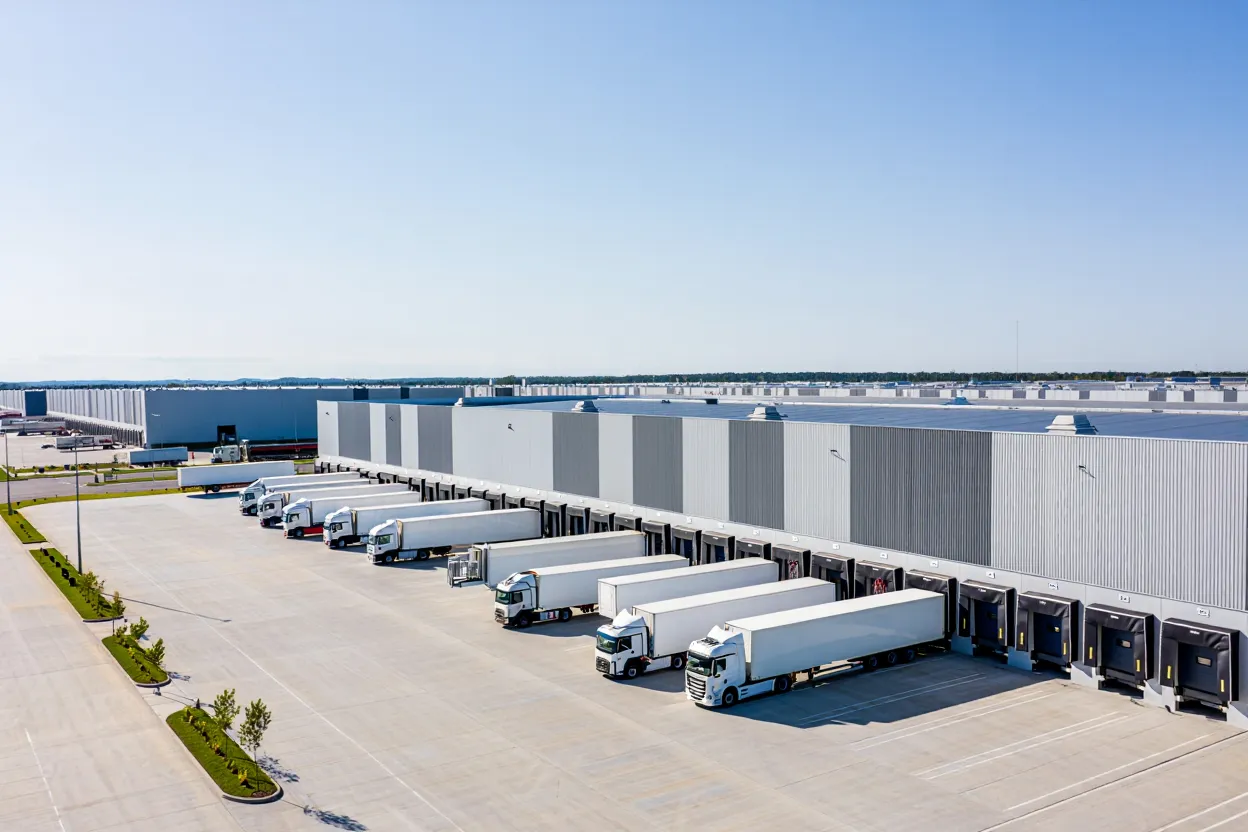
IREI reports that Prologis, the world’s largest logistics real estate firm, has partnered with Singapore’s GIC. Together, they formed a $1.6B joint venture focused on US build-to-suit logistics development.
The venture launches with an initial 4.1 MSF portfolio. It also allows for future expansion as new customer commitments are secured.
Why It Matters
Build-to-suit logistics facilities have become a preferred solution for companies seeking certainty in location, property features, and long-term occupancy. In particular, these assets are typically pre-leased and designed to customer specifications. As a result, tenants consider them mission-critical, which reduces leasing risk and supports supply chain modernization.
Get Smarter about what matters in CRE
Stay ahead of trends in commercial real estate with CRE Daily – the free newsletter delivering everything you need to start your day in just 5-minutes
Institutional Investor Appeal
The build-to-suit model attracts institutional investors with steady, long-term income and lower vacancy risk. These projects often deliver predictable cash flow over extended lease periods. This trend aligns with rising leasing activity across major logistics portfolios, where strong demand continues to support new development.
Prologis and GIC combine strengths through this partnership. Prologis brings development expertise and global scale. Meanwhile, GIC contributes patient, long-term capital. Together, they target disciplined growth across market cycles.
What’s Next
The joint venture operates under Prologis Strategic Capital and will scale alongside client demand. It is designed to grow as new build-to-suit opportunities emerge.
Meanwhile, US supply chains continue to evolve due to ecommerce growth and re-shoring activity. As a result, build-to-suit logistics remains a priority for both users and investors.