




- Build-to-rent (BTR) operators are exempt from the latest executive order targeting corporate ownership of single-family homes.
- Major BTR developers continue launching new projects despite regulatory uncertainty.
- The executive order restricts institutional investor purchases but allows BTR communities to move forward.
- BTR sector expansion continues as other institutional SFR operators face more scrutiny.
BTR Operators Press On
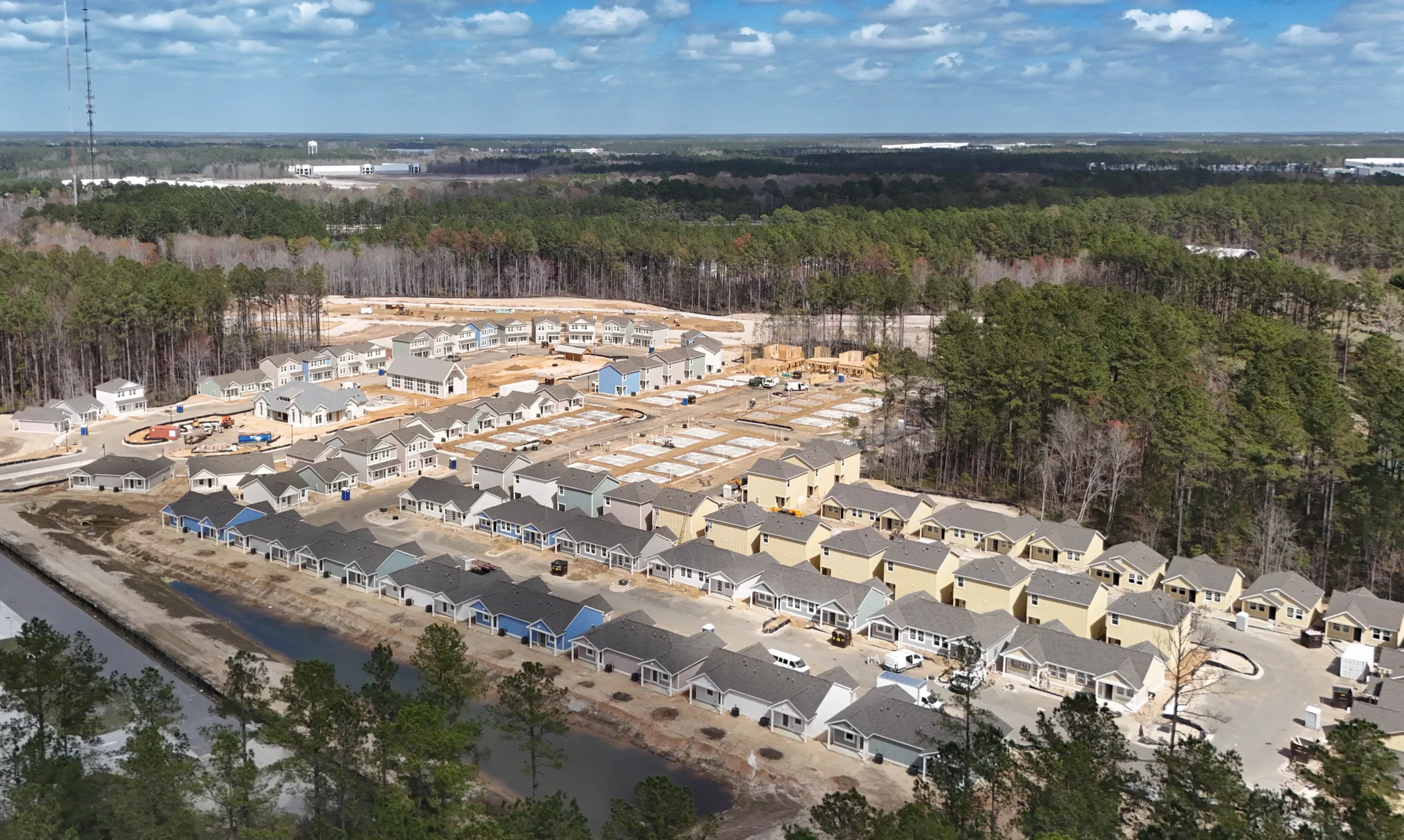
According to Bisnow, build-to-rent operators remain unfazed by President Trump’s recent executive order. The order bars large institutional investors from buying additional single-family homes. However, the president carved out a clear exemption for BTR projects. That decision offers clarity for developers like Southern Impression Homes and Trilogy Investment Co. Both firms recently launched or announced projects in Florida, North Carolina, and Colorado.
Meanwhile, private equity firms investing in scattered single-family rentals may face new headwinds. Even so, BTR specialists believe the exemption protects their business model. Southern Impression Homes says its operations fall squarely within the carve-out. Chris Funk, the company’s CEO, welcomed the decision. He said the exemption shows policymakers recognize the rental market’s importance.
Policy Details and Industry Response
The executive order instructs agencies to draft definitions for terms like “single-family home” and “institutional investors” by mid-February, with enforcement slated to start a month later. Notably, financing sources Fannie Mae and Freddie Mac are directed to avoid insuring corporate single-family purchases but remain open to BTR-specific carve-outs.
Large single-family rental operators had been moving away from scattered home portfolios toward new construction BTR for years. The exemption enables BTR developers to advance, as seen in new communities breaking ground by Mill Creek Residential and Ark Homes For Rent.
Get Smarter about what matters in CRE
Stay ahead of trends in commercial real estate with CRE Daily – the free newsletter delivering everything you need to start your day in just 5-minutes
SFR Firms Face Uncertainty
The ban could complicate operations for firms with large single-family rental portfolios, though many question its overall reach. Operators with at least 1,000 homes own just 2% of investor-held properties nationwide. Meanwhile, more than 90% of investor owners are small landlords who hold fewer than 10 homes.
JPMorgan Chase analysts called the executive order a “green light” for the build-to-rent sector. They said institutional activity can continue if it does not threaten individual homeownership or rely on government-backed financing.
Possible Market Effects
Homebuilders could lose a significant exit strategy by selling to institutional buyers, particularly in oversupplied markets. In Texas, rising land and construction costs have already begun to cool rental home development, adding pressure in markets where margins are tightening. While the policy may temporarily ease pressure on home prices, developers warn it could slow new housing supply if builders face fewer bulk buyers. BTR operators expect to maintain expansion, provided exemptions remain in place and regulatory clarity emerges.