




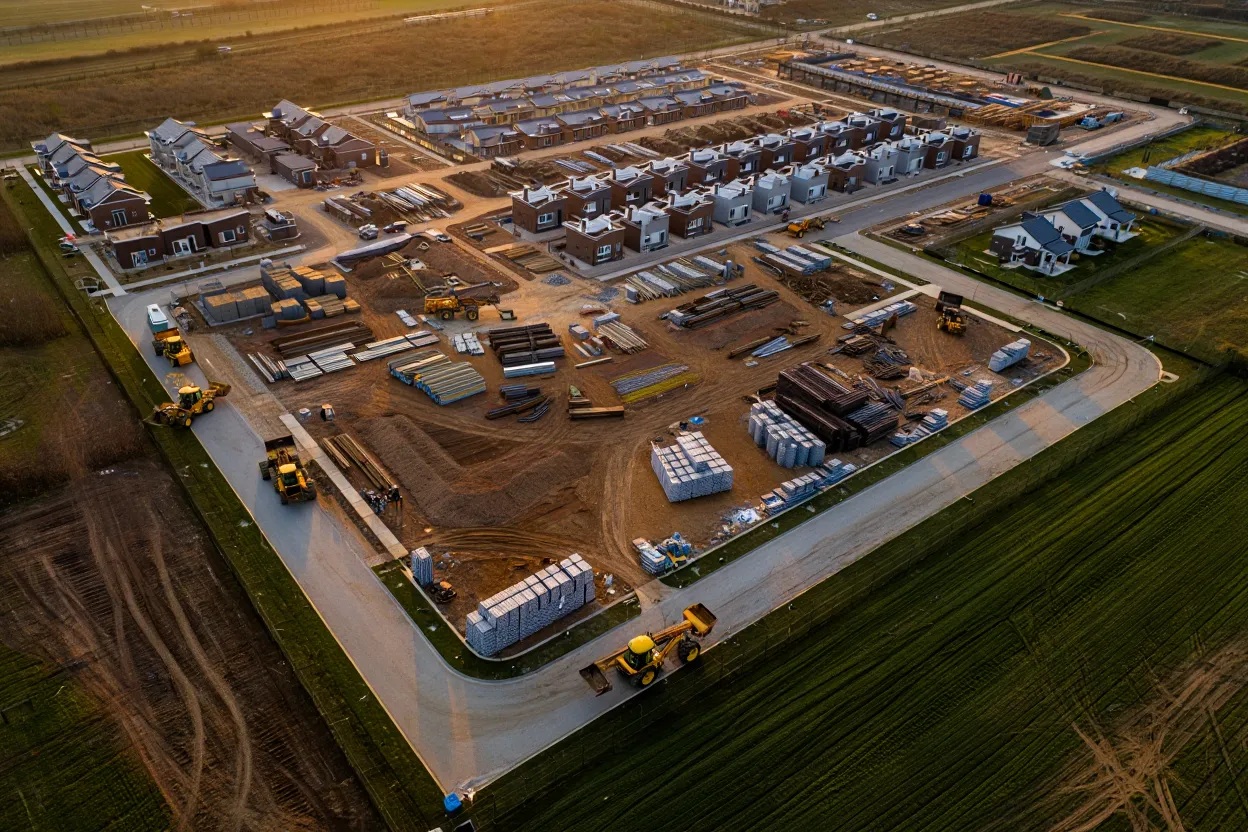
- Over 64,250 build-to-rent (BTR) units are under construction in the US, with most controlled by a handful of operators.
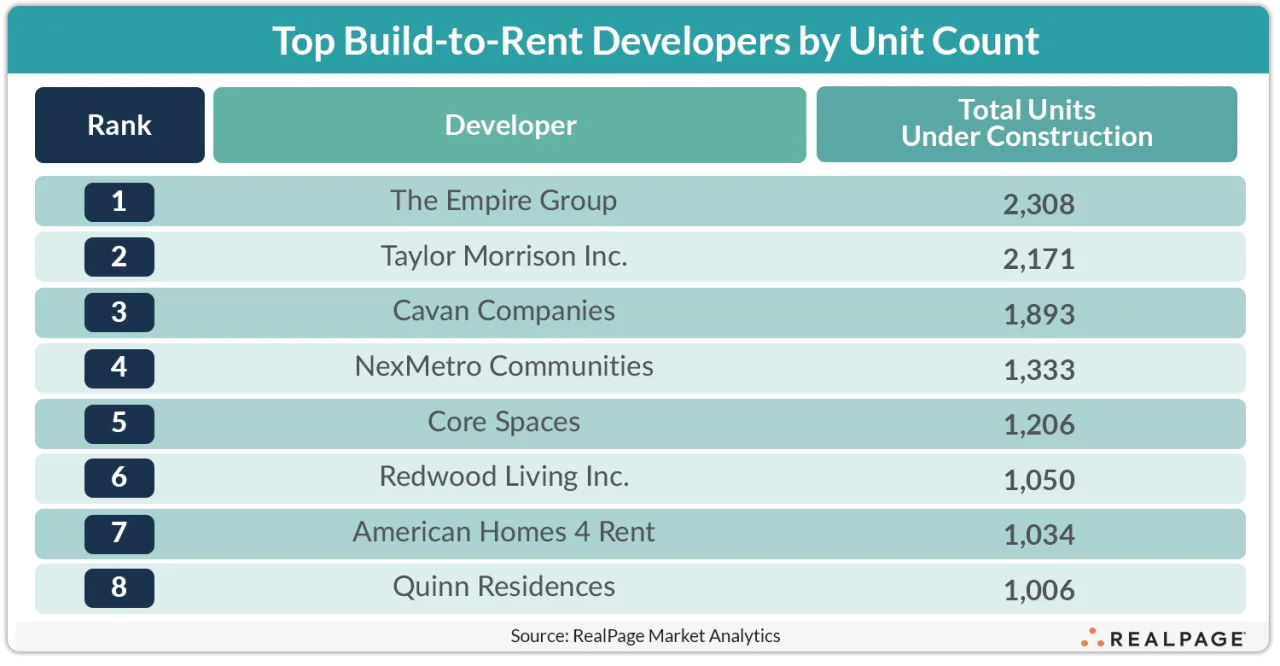
- Empire Group and Taylor Morrison lead the sector with over 2,000 BTR units each underway, highlighting Scottsdale’s prominence.
- BTR pipeline concentration is shaping sector benchmarks and future rental supply as multifamily starts slow.
- Despite tapering starts, 139,000 BTR units remain in the planning stage, indicating sustained sector interest.
Sector Consolidation Intensifies
The US build-to-rent sector is seeing a significant concentration of activity among top operators. RealPage Market Analytics reports that, out of more than 200 active developers, just eight builders each have at least 1,000 BTR units in the pipeline. Two of these—Empire Group and Taylor Morrison, both Scottsdale-based—are leading the pack, signaling a shift toward dominance by a select group of platforms, says Globe St.
Pipeline Volume and Market Impact
Developers are currently building over 64,250 build-to-rent homes nationwide, with delivery expected by late 2027. The operational BTR stock stands at just over 120,000 units, while 139,000 more units are in the planning stage. Although national starts have moderated, activity remains elevated in Sun Belt regions, where strong population growth and land availability continue to attract development. This means today’s construction will significantly influence benchmarks for leasing, operations, and asset valuation as the sector matures.
Top Operators Outline Sector Trends
Empire Group and Taylor Morrison hold the largest BTR pipelines, with 2,308 and 2,171 units, respectively, in active development. Other notable developers include Cavan Companies, NexMetro Communities, and Core Spaces. Even among this leading group, regional diversity is evident, but Phoenix stands out as a center for both operating expertise and capital allocation in BTR housing.
Future Outlook for Build-to-Rent
The overall BTR construction pipeline has started to moderate, but remains elevated compared to historical averages. While fewer units are breaking ground, significant inventory is entitled or in pre-development. This allows developers and investors flexibility to respond as market conditions evolve, solidifying build-to-rent as a key segment in the rental housing landscape.
Get Smarter about what matters in CRE
Stay ahead of trends in commercial real estate with CRE Daily – the free newsletter delivering everything you need to start your day in just 5-minutes