



- A court upheld a 450% ground-rent increase at Carnegie House on Billionaires’ Row.
- Annual ground rent will rise from $4.36M to roughly $24M in 2025.
- The steep hike threatens affordability for about 300 co-op shareholders.
- Unit values have collapsed, with prices well below the area’s market rate.
Court Ruling Reshapes Ground Lease Dynamics
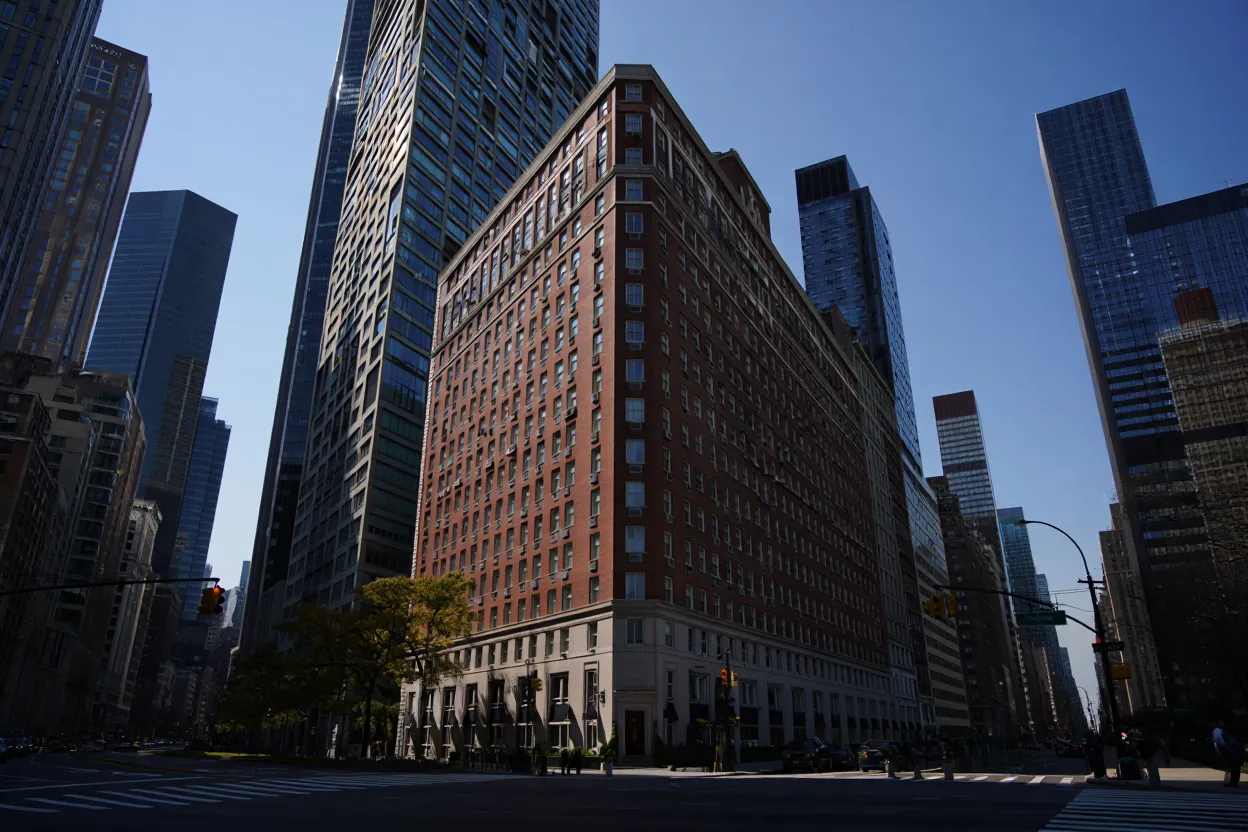
The WSJ reports that the New York County Supreme Court ruled to uphold a major ground rent hike at Carnegie House, one of the last remaining affordable co-ops on Manhattan’s Billionaires’ Row. The upcoming 450% increase raises annual ground rent on the property from $4.36M to nearly $24M, effective in 2025. The board of directors, led by Richard Hirsch, called the decision a severe blow to residents, most of whom are middle-class shareholders.
Why It Matters to Co-op Owners
Carnegie House belongs to a dwindling group of middle-income co-ops that do not own their land. This is due to a ground lease structure that dates back to the 1950s. The sharp increase in ground rent, fueled by rising Midtown land values and years of nearby development, now puts hundreds of owners at risk. Monthly housing costs for shareholders could more than double. Many now face unaffordable payments ranging from $9,000 to $13,000 per month.
Investor Momentum on Billionaires’ Row
The land beneath Carnegie House is controlled by an entity affiliated with Rubin Schron and David Werner, who bought it for $261M in 2014. Their representatives support the court’s decision and state they are willing to work with permanent residents needing rental assistance. However, the hike has decimated home values, with several units listed well below neighboring market prices—some under $250,000—while lenders have stopped issuing new mortgages.
Get Smarter about what matters in CRE
Stay ahead of trends in commercial real estate with CRE Daily – the free newsletter delivering everything you need to start your day in just 5-minutes
What’s Next for Residents
If Carnegie House cannot meet its new ground rent, it risks losing its ground lease. That outcome would convert the co-op to rent-stabilized apartments and erase owner equity. The shift would mark a major change for a stretch of Midtown where affordability has been rare—even as redevelopment activity continues to grow nearby. Recent residential conversions in the area reflect mounting pressure to diversify housing options along Billionaires’ Row. For now, the board plans to appeal the court’s decision.