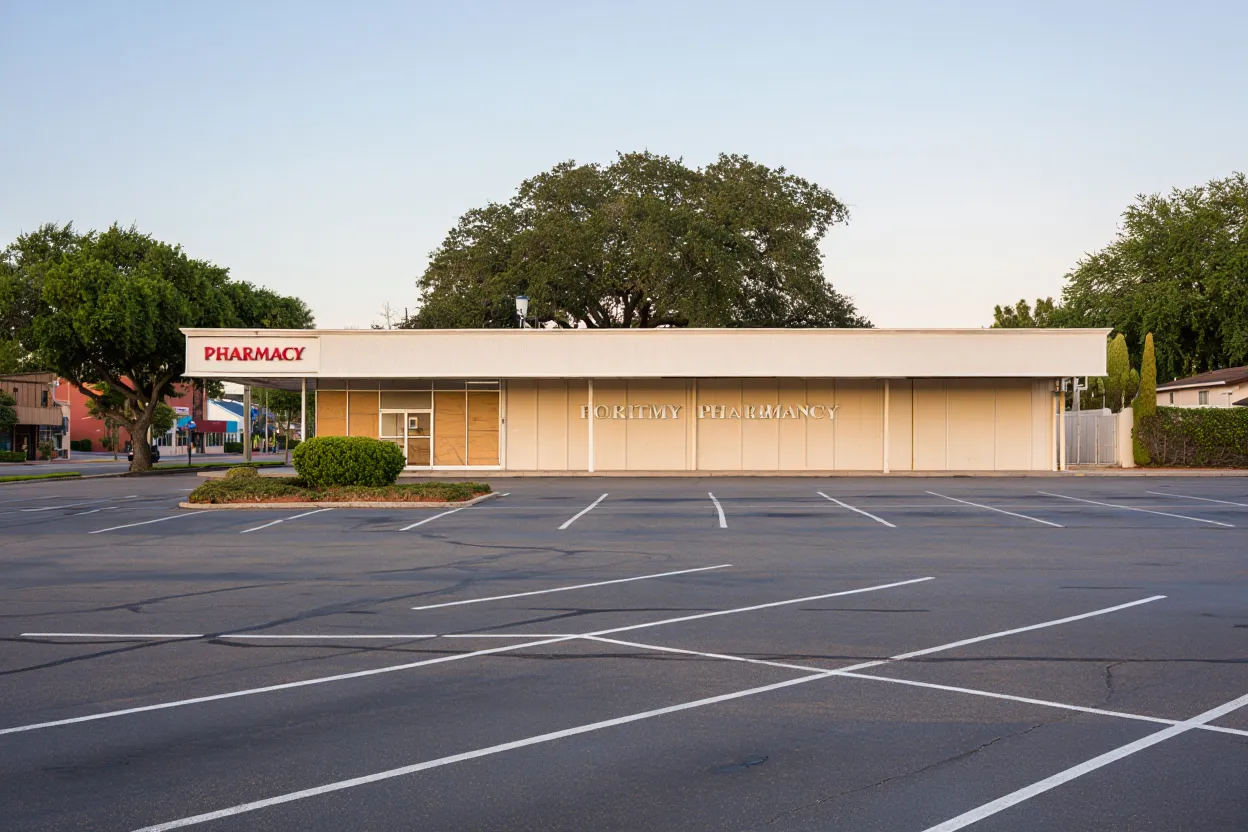






- Illinois-based Metropolitan Capital Bank was seized, marking the first US bank failure of 2026.
- Regulators cited unsafe conditions; the bank faced significant loss tied to a $4.5M CRE loan in skilled nursing.
- The troubled loan was junior to a $146M HUD-backed mortgage that also defaulted.
- Detroit-based First Independence Bank acquired all deposits and most assets.
Regulators Seize Metropolitan Capital
According to Bisnow, Metropolitan Capital Bank & Trust, with $261M in assets, became the first FDIC-insured bank to fail in 2026. Illinois regulators stepped in, and the FDIC transferred all deposits and most assets to First Independence Bank. The River North branch reopened under new ownership. Regulators have not made a public statement on the cause. However, official records point to commercial real estate (CRE) exposure as a major factor.
CRE Exposure Drives Failure
Public records show the bank’s loan portfolio was hit hard by a $4.5M loan tied to Rosewood Care Centers. The loan was junior to a $146M HUD-insured mortgage. Both loans defaulted. Chicago investor Zvi Feiner, the borrower, was later charged with fraud. The bank tried to fix the loan through modifications but failed to recover losses or strengthen its collateral position.
Similar signs of financial strain have emerged elsewhere, as public institutions and infrastructure operators face mounting revenue gaps and capital pressures tied to operational risk.
Get Smarter about what matters in CRE
Stay ahead of trends in commercial real estate with CRE Daily – the free newsletter delivering everything you need to start your day in just 5-minutes
Warning for Mid-Sized CRE Lenders
The Metropolitan Capital case underscores risks for smaller banks with large single CRE exposures. Regulatory filings cite insufficient due diligence and poor risk management practices. In 2019, the bank was already under a consent order demanding higher capital and management changes due to impaired conditions. The $4.5M exposure, though relatively small, represented a major risk for a bank of its size.
What Comes Next
This CRE-linked bank failure is a signal for closer scrutiny on regional and specialty banks with concentrated real estate portfolios. As the CRE sector faces ongoing pressure, industry observers expect increased regulatory focus on risk controls and capital requirements for banks with significant exposure to distressed assets.