




- Amazon ramps up industrial real estate acquisitions across the US after a lull.
- The company plans to expand its US industrial footprint by 51M SF in 2026.
- Amazon is focusing on modern, automated warehouse spaces and rural delivery expansion.
- E-commerce growth is driving renewed demand for Atlanta industrial assets.
Amazon Targets New Growth
After two years of slower activity, Amazon is again aggressively buying industrial real estate throughout the US, especially in logistics hubs like Atlanta, reports Bisnow. Amazon plans to increase its industrial space requirements by 160% compared to 2022, expanding its footprint by a projected 51M SF this year. This growth will likely impact availability and pricing in key logistics markets.
Expanding Logistics and Rural Reach
Amazon’s focus has shifted to expanding both its cross-dock network near US ports and its rural distribution infrastructure. The company aims to have 201 rural warehouses by year-end 2026, marking a 200% increase in three years. This expansion is backed by a $4B investment and supports increased product flow from overseas suppliers, mainly China.
Get Smarter about what matters in CRE
Stay ahead of trends in commercial real estate with CRE Daily – the free newsletter delivering everything you need to start your day in just 5-minutes
Strategic Shift Toward Modern Warehouses
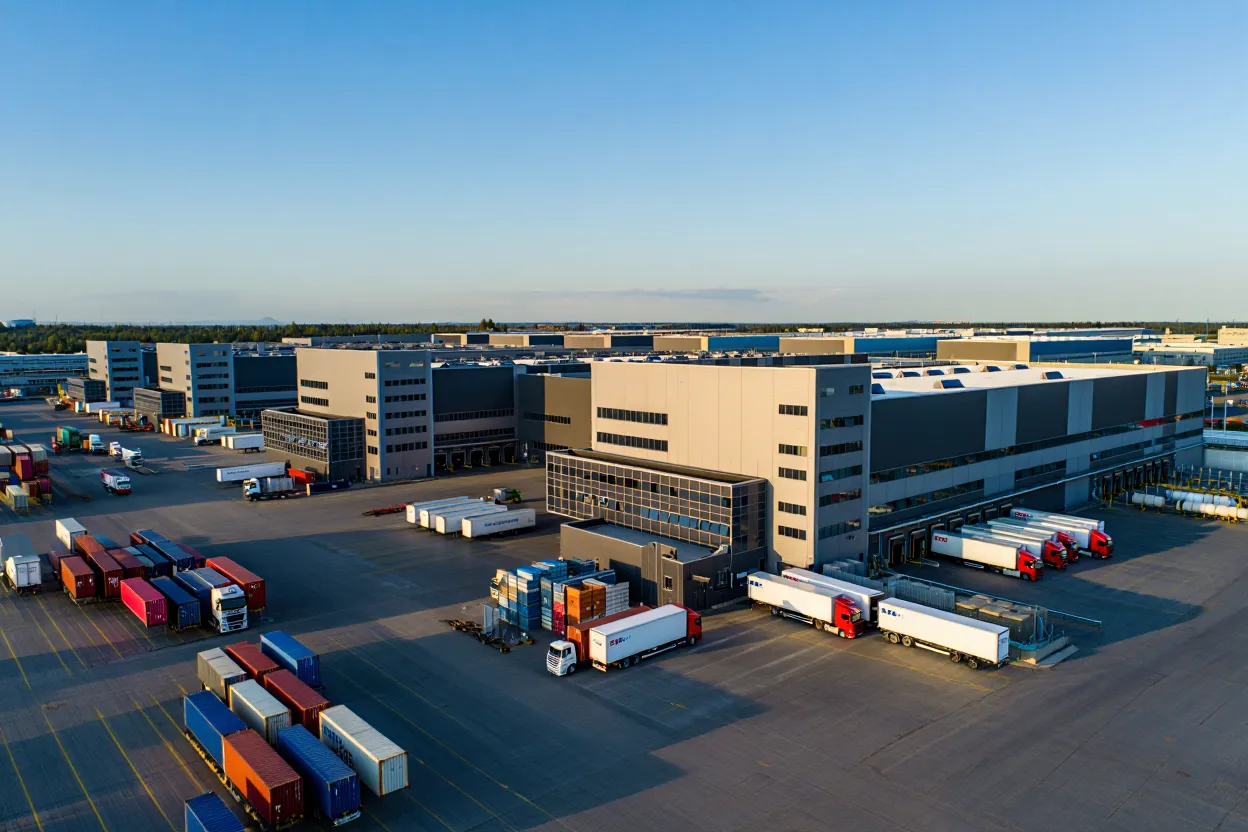
Unlike its pandemic-era purchasing spree, Amazon’s current strategy emphasizes acquiring state-of-the-art facilities. The retail giant prioritizes warehouses with higher ceiling heights and increased power capacity suitable for automation. Most of Amazon’s industrial portfolio remains leased, keeping overhead flexible as the company scales operations.
Impacts on Atlanta Industrial Market
The Atlanta industrial sector is experiencing renewed momentum as Amazon accelerates its acquisitions. The company’s deliberate expansion, coupled with strong e-commerce sales growth—highlighted by a $316B sales mark in Q4—suggests sustained demand for Atlanta industrial assets. This comes even as parts of the metro’s southern industrial corridor face rising vacancies and shrinking new supply, creating a more uneven recovery across submarkets. As Amazon resumes aggressive leasing and buying, competition is likely to intensify, influencing market dynamics in the region.