



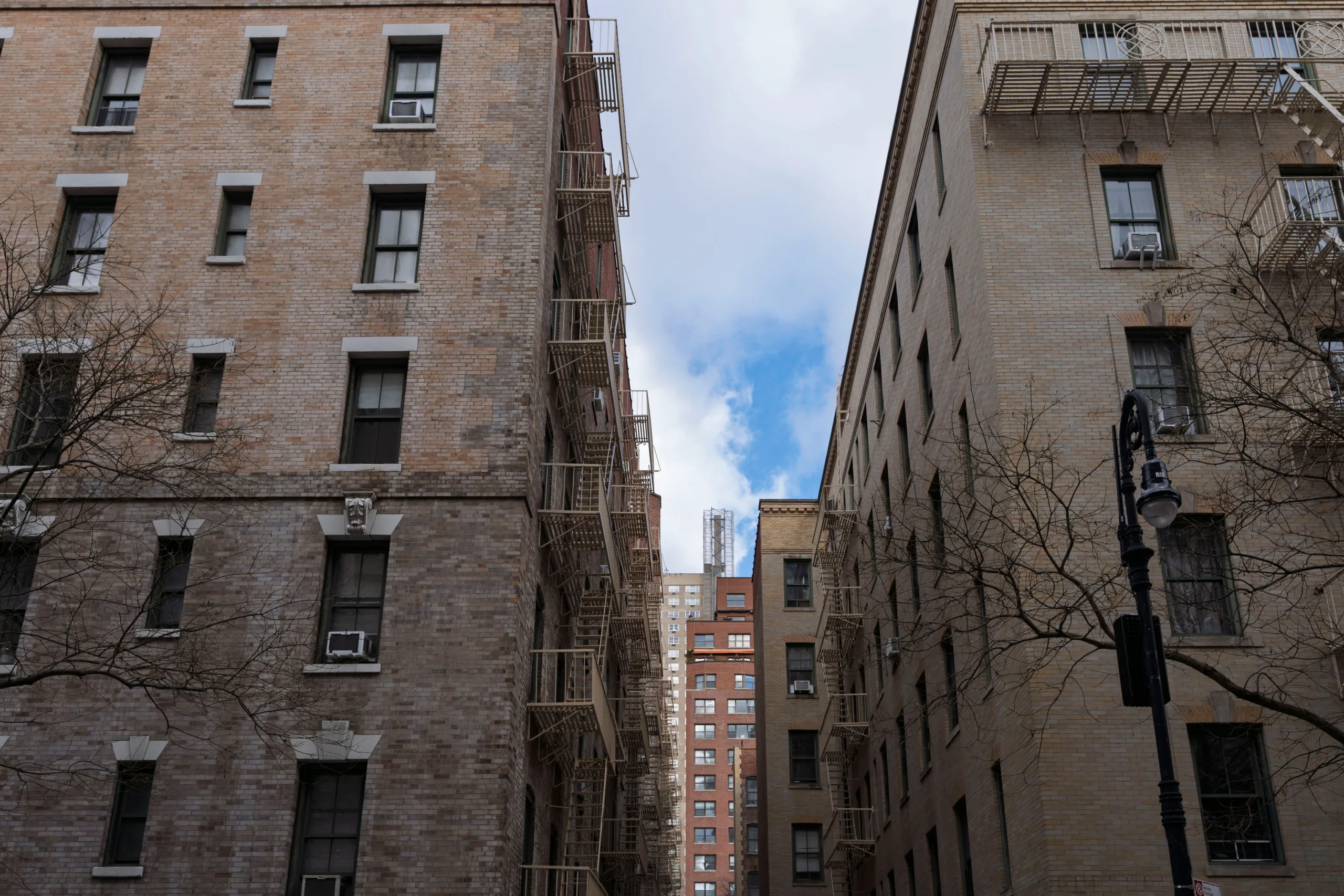
- Landlords across New York City are increasingly using Article XI tax exemptions to reduce real estate taxes, which can make up nearly a third of their operating costs.
- In return, owners must rehabilitate aging buildings and commit to long-term affordability, often converting market-rate units to rent-stabilized apartments.
- Article XI participation surged in 2024, but its complex process and financial requirements make it difficult for small landlords to access.
A Growing Survival Tactic
New York City landlords are under pressure, per Bisnow. Operating costs for buildings with rent-stabilized units jumped 6.3% between April 2024 and March 2025. Meanwhile, real estate taxes alone rose nearly 4%. As a result, many owners are struggling to stay solvent.
Article XI offers a solution. The program eliminates or reduces property taxes for up to 40 years. In exchange, landlords must repair their properties and, in some cases, increase affordability. While the deal helps offset costs, it also caps the income landlords can generate from the property.
Participation Is Rising Fast
In 2024, Article XI was used to add more than 3,100 rent-stabilized units to the city’s housing stock. That’s a sharp increase from just 88 units the year before. Experts attribute the rise to a growing number of distressed buildings that need rehabilitation.
But the Program Has Limits
To qualify, landlords must form a nonprofit housing development fund corporation. Then, they must negotiate with the city’s Department of Housing Preservation and Development (HPD) and receive final approval from the City Council. This lengthy, bureaucratic process often requires legal and financial resources that small landlords lack.
Even then, approval isn’t guaranteed. According to real estate attorneys, applications can be delayed or denied based on building conditions, financials, or political hurdles.
Get Smarter about what matters in CRE
Stay ahead of trends in commercial real estate with CRE Daily – the free newsletter delivering everything you need to start your day in just 5-minutes
High-Profile Approvals Draw Scrutiny
In 2023, Clipper Realty received Article XI approval for its 2,500-unit East Flatbush complex. The tax deal, valued at $191M, required the company to fix nearly 3,000 housing code violations and reserve 250 units for formerly homeless tenants. Tenant advocates, however, criticized the deal, arguing it rewarded a landlord with a poor maintenance track record.
Similarly, Douglaston Development gained approval in 2024 for a 50-unit building on the Upper East Side. In that case, all remaining market-rate units were converted to regulated ones. The tax exemption is expected to save the developer $26M over 40 years.
Preservation at a Cost
Although Article XI helps stabilize properties, it doesn’t fix everything. Owners must still cover mortgage payments, which are rising as low-interest loans from previous years come due. In addition, insurance and maintenance costs continue to climb. Since 2017, repair costs have increased 35%, and insurance has doubled.
Moreover, a rent freeze proposed by incoming Mayor Zohran Mamdani could further squeeze owners. During Mayor Eric Adams’ tenure, landlords raised rents by 12%, yet many still operated at a loss. In fact, by 2024, 57% of affordable housing owners reported negative cash flow.
An Unsustainable Fix
Experts say Article XI is a valuable tool—but not a scalable one. While it provides relief for large portfolios, expanding it to every rent-stabilized building could deprive the city of essential tax revenue.
“Can you give every apartment owner in the Bronx an Article XI?” attorney Alvin Schein asked. “It’s not economical for the city.”
Even city officials agree that the program must be carefully managed. According to HPD, the tax exemption must be balanced against other public incentives and the city’s long-term housing goals.
Bottom Line
Article XI is helping landlords manage costs in New York’s strained rent-stabilized housing market. However, its complex requirements and limited accessibility make it a short-term lifeline—not a long-term solution. As rent-stabilized buildings across the city face mounting financial pressures, more owners may turn to tax relief programs like Article XI—but sustainability remains in question.