



- Multifamily supply pressures are easing as new deliveries declined 30% in Q1 2026 and units under construction fell sharply from peak levels.
- Landlords continue prioritizing occupancy over pricing power, with concessions still widespread even as asking rents edged higher nationally.
- Market performance is increasingly split, with Midwest and Northeast markets outperforming many Sun Belt metros still digesting a historic supply wave.
The US multifamily market is beginning to stabilize after several years of record apartment deliveries overwhelmed renter demand. Trepp’s Q1 2026 data shows supply growth slowing meaningfully, vacancy flattening, and absorption returning closer to long-term norms. But operators still face a key challenge: renters may be filling units, yet landlords remain dependent on concessions to maintain occupancy.
The result is a market that looks healthier on paper than it feels operationally. Fundamentals are improving, but pricing power has not fully returned.
Get Smarter about what matters in CRE
Stay ahead of trends in commercial real estate with CRE Daily – the free newsletter delivering everything you need to start your day in just 5-minutes
The Supply Pipeline Finally Cools
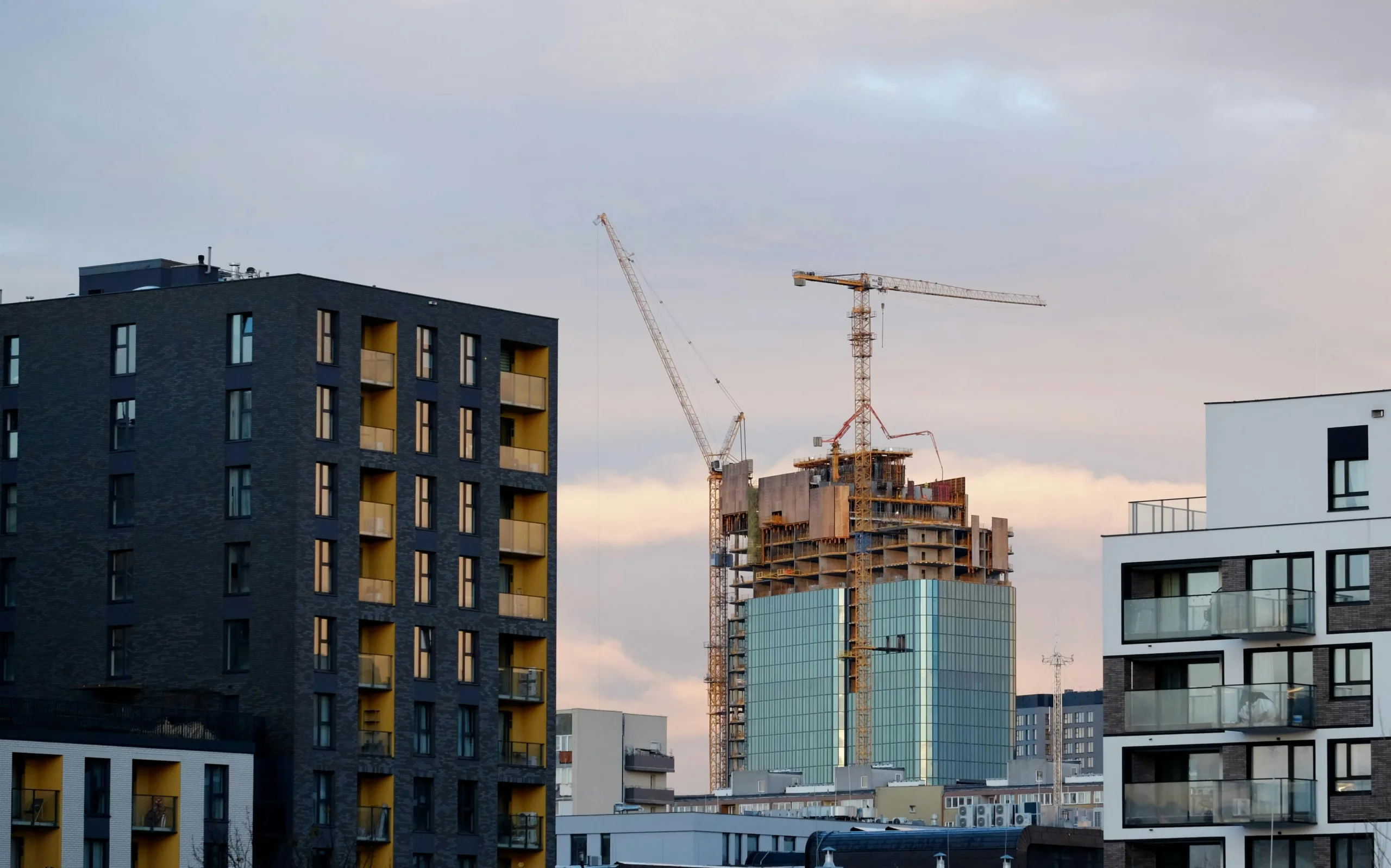
The biggest shift in multifamily right now is happening on the supply side. Apartment deliveries fell 30% in Q1 2026, according to Cushman & Wakefield, marking the slowest pace of completions since 2016. Construction activity has also moderated sharply after the post-pandemic development surge.
Newmark reported that units under construction dropped 47% from peak levels by the end of 2025, signaling that the worst of the supply wave may be passing. Meanwhile, construction starts totaled 393,000 units in 2025, up from 332,000 in 2024 but still well below the 523,000-unit peak recorded in 2022.
That slowdown matters because multifamily development carries a long lag. Most projects breaking ground today will not deliver until mid-2027 or later, meaning the pipeline is thinning even if current vacancy remains elevated.
Several reports point to financing conditions as the main constraint on new development. Higher interest rates, cautious equity capital, and elevated construction costs continue to suppress starts. Northmarq noted that build-to-rent construction starts nationally fell 23% in 2025 compared to 2024, while deliveries declined from roughly 110,000 units in 2024 to 90,000 in 2025.
Concessions Still Define The Leasing Market
Even with supply moderating, landlords have not regained meaningful pricing leverage. National asking rents rose just 0.9% year-over-year in Q1 2026, according to Cushman & Wakefield, while effective rents remained under pressure because of widespread concessions.
Operators across the country continue offering free rent, waived fees, and reduced deposits to maintain occupancy. CBRE reported that renewal leases now account for 57% of all leasing activity, up from 51% in 2015, reflecting a broad strategy focused on tenant retention instead of aggressive rent growth.
Class A assets continue to outperform lower-tier product, but the market remains highly fragmented geographically. Sun Belt metros that experienced the largest construction booms are still working through excess supply. Phoenix, for example, posted an 11.8% vacancy rate in Q1 2026, while 62% of properties in the market were offering concessions, according to Kidder Mathews.
Texas markets remain particularly soft. Homes.com data showed Austin vacancy reaching 13.5% alongside a 4.7% annual rent decline, while Dallas-Fort Worth vacancy climbed to 12.2%. Developers in those markets are still digesting the wave of luxury supply delivered between 2022 and 2025.
Meanwhile, the Midwest and Northeast have emerged as relative outperformers. Northmarq reported that Midwest build-to-rent markets like Columbus and Indianapolis ended 2025 with vacancy below 4%. That regional divergence is also reshaping leasing strategies nationwide, with operators increasingly relying on targeted concessions and renewal incentives to protect occupancy in oversupplied metros even as fundamentals begin stabilizing elsewhere.
Demand Returns To More Normal Levels
On the demand side, leasing activity appears healthy enough to absorb a slowing pipeline, though not strong enough to fully erase concessions.
National apartment absorption outpaced deliveries in Q1 2025 for the first time since 2021, with 102,000 units absorbed versus 95,000 delivered, according to Cushman & Wakefield. Absorption cooled in Q1 2026 to roughly 65,200 units, down 34% year-over-year, but still aligned with historical first-quarter averages.
Phoenix, Dallas-Fort Worth, New York, and Austin accounted for much of the country’s leasing demand in early 2026. Newmark characterized late-2025 negative absorption figures as a normalization period rather than a broader deterioration in fundamentals.
Several structural demand drivers remain intact. CBRE estimates that buying a home still costs roughly 105% more per month than renting in many markets, while the US continues facing a long-term housing shortage. Other industry research points to persistent affordability challenges supporting renter demand over the next several years. Alpaca Real Estate cited a national housing undersupply and noted that homeownership costs remain roughly 44% higher than renting nationally.
Still, slower job growth and weaker household formation are limiting the pace of multifamily recovery. Reduced migration and layoffs in sectors like tech have also weakened renter demand in several high-growth Sun Belt metros.
A Widening Divide Across Markets
The national vacancy rate held flat at 9.4% in Q1 2026 as lower deliveries offset softer absorption. But beneath that stability sits an increasingly uneven market.
Many Midwest and Northeast cities are already seeing occupancy stabilize and rents recover. In contrast, several Sun Belt markets remain burdened by elevated supply pipelines and aggressive concession activity. Northmarq noted that Phoenix build-to-rent vacancy climbed to 9.8% at the end of 2025 after years of rapid development.
That divide is reshaping investor strategy. Some institutional groups are now targeting distressed recapitalizations or preferred equity structures rather than ground-up development. Alpaca Real Estate noted that multifamily values have fallen 28% from peak pricing while investment sales volume has declined 70% from prior highs.
Why It Matters
The multifamily market is moving away from the peak oversupply conditions that defined 2024 and early 2025. Supply is no longer accelerating, vacancy has largely stabilized, and long-term renter demand drivers remain supportive.
But stabilization does not equal recovery. Landlords still lack meaningful pricing power in many markets, and concessions continue masking weaker effective rent growth. The next phase of the cycle will depend less on supply moderation and more on whether job growth and household formation strengthen enough to absorb remaining inventory.
What’s Next
The industry’s focus now shifts to late 2026 and 2027, when today’s sharply reduced construction pipeline should begin materially tightening supply conditions. If demand remains stable, operators could finally regain leverage on rents after several years of concession-heavy leasing.
Markets with restrained new development pipelines — particularly in the Midwest and Northeast — are likely to recover first. High-supply Sun Belt metros may take longer to normalize, especially if economic growth slows further or immigration remains muted. Investors will also be watching refinancing pressure closely as billions in multifamily debt maturities continue moving through the market over the next two years.