





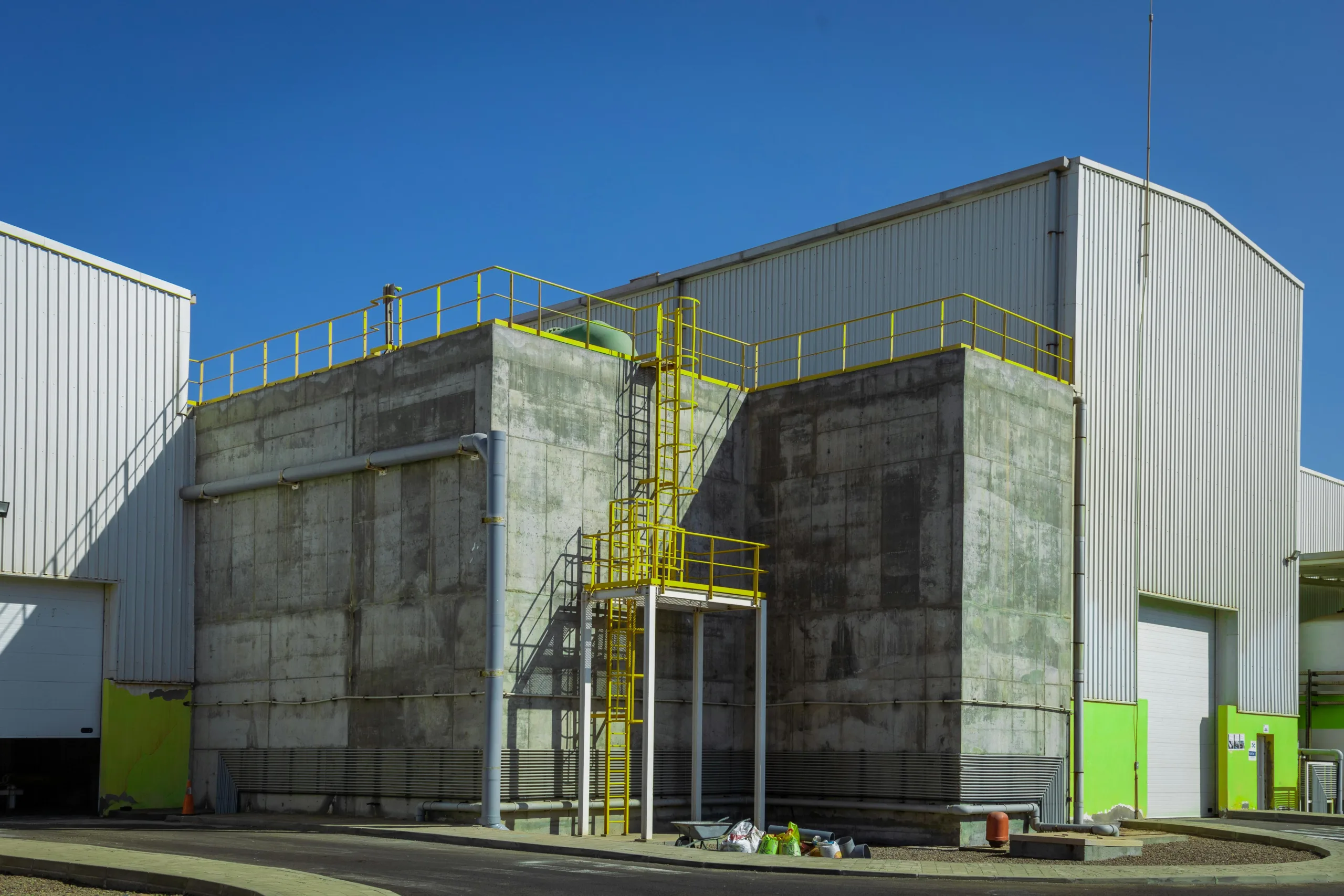



- Americold and EQT formed a $1.3B cold storage joint venture that includes 12 US warehouse facilities and more than 124M cubic feet of refrigerated capacity.
- EQT will own a 70% stake in the platform, while Americold retains 30% ownership and operational control, generating roughly $1.1B in net proceeds to reduce debt.
- The transaction highlights growing institutional appetite for cold chain infrastructure as food logistics and supply chain resilience remain long-term investment themes.
IREI reports that Americold Realty Trust is partnering with EQT’s Active Core Infrastructure fund to launch a $1.3B North American cold storage joint venture, adding another major institutional bet on logistics infrastructure. The venture launches with 12 US temperature-controlled warehouse facilities totaling roughly 124M cubic feet of storage capacity and more than 400,000 pallet positions.
The transaction gives EQT a 70% ownership stake in the platform, while Americold will retain 30% and continue managing day-to-day operations. Americold said it expects approximately $1.1B in net cash proceeds, which the company plans to use primarily to repay outstanding debt.
Get Smarter about what matters in CRE
Stay ahead of trends in commercial real estate with CRE Daily – the free newsletter delivering everything you need to start your day in just 5-minutes
Cold Storage Keeps Drawing Capital
Institutional investors have steadily increased exposure to temperature-controlled logistics over the past several years as food supply chains grow more complex and e-commerce grocery demand expands. Cold storage facilities remain relatively scarce compared to traditional dry warehouses because of their high construction costs, specialized infrastructure, and operational intensity.
EQT already has experience in the sector through investments in European cold chain operators, and the firm sees the asset class as a resilient infrastructure play with durable cash flows. Americold, meanwhile, operates one of the largest global cold storage networks, serving food producers, distributors, and retailers across critical supply chain nodes.
The Details
The initial portfolio spans 12 facilities across the US, though the companies did not disclose individual asset locations. According to Americold, the venture will rank among the largest cold storage operators in North America on a standalone basis.
The deal also establishes a framework for future acquisitions and development projects. Americold will provide development support to the venture, leveraging its customer relationships and logistics expertise to identify additional cold storage opportunities in strategic distribution markets.
The transaction is expected to close in Q3 2026, subject to regulatory approvals and customary closing conditions. Eastdil Secured advised Americold on the transaction, while J.P. Morgan Securities and Morgan Stanley advised EQT and provided financing.
A Resilient Logistics Niche
Cold storage has emerged as one of the most supply-constrained corners of industrial real estate. Facilities require significant power capacity, refrigeration systems, insulation, and specialized labor, creating high barriers to entry compared to conventional warehouses.
That scarcity has attracted institutional capital seeking infrastructure-like returns. According to CBRE’s 2025 US Food Facilities Group outlook, demand for temperature-controlled logistics space continues to outpace supply in several major distribution corridors tied to food production and grocery consumption. At the same time, some markets are beginning to see new supply pressure emerge as developers race to capitalize on sustained investor interest in the sector.
The sector has also benefited from broader supply chain shifts following pandemic-era disruptions, as food distributors and retailers prioritize inventory resiliency and faster delivery networks.
Why It Matters
The joint venture gives Americold an immediate balance sheet boost while allowing the REIT to retain operational control and long-term upside in the portfolio. For EQT, the investment expands its infrastructure footprint into a sector with stable demand drivers tied to food consumption and supply chain modernization.
The structure also reflects a broader trend across CRE: operators monetizing stabilized assets through institutional partnerships while preserving management roles and development pipelines. Similar capital recycling strategies have become increasingly common as higher interest rates push REITs to strengthen liquidity and reduce leverage.
What’s Next
Americold and EQT plan to grow the platform beyond the initial 12 assets, with future development and acquisition opportunities already part of the partnership strategy. Investors will likely watch whether the venture pursues expansion in high-demand cold chain hubs tied to ports, food manufacturing clusters, and major population centers.
The deal could also encourage additional institutional investment into temperature-controlled logistics, particularly as infrastructure funds continue searching for defensive real estate sectors with long-term demand visibility.