



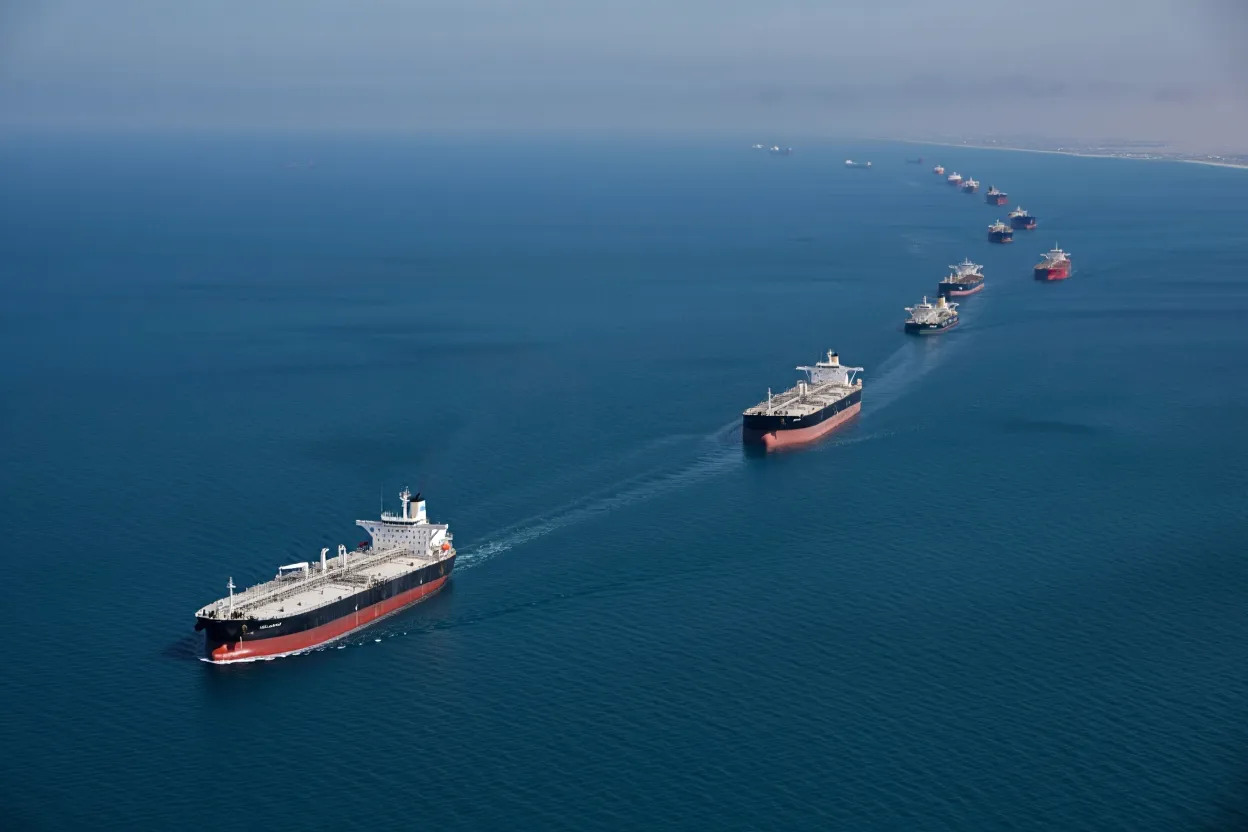



- Oil disruption in the Strait of Hormuz puts the global economy at risk of recession within one month, according to Mohamed El-Erian.
- US energy imports remain at 17%, exposing the economy to sustained oil price shocks.
- Rising energy costs are widening the economic divide and pressuring consumer spending.
- Commercial real estate faces indirect impacts from slowing growth, weaker leasing demand, and higher expenses.
Oil Crisis Triggers Economic Alarm
According to Globe St, the ongoing disruption of oil shipments through the Strait of Hormuz has escalated from a geopolitical issue to an economic threat. Former Pimco CEO Mohamed El-Erian stated this week that the world may avoid a recession, but only if the strait reopens within the next month. Without a resolution, the risk to global economic stability increases sharply.
Investor Sentiment Shifts
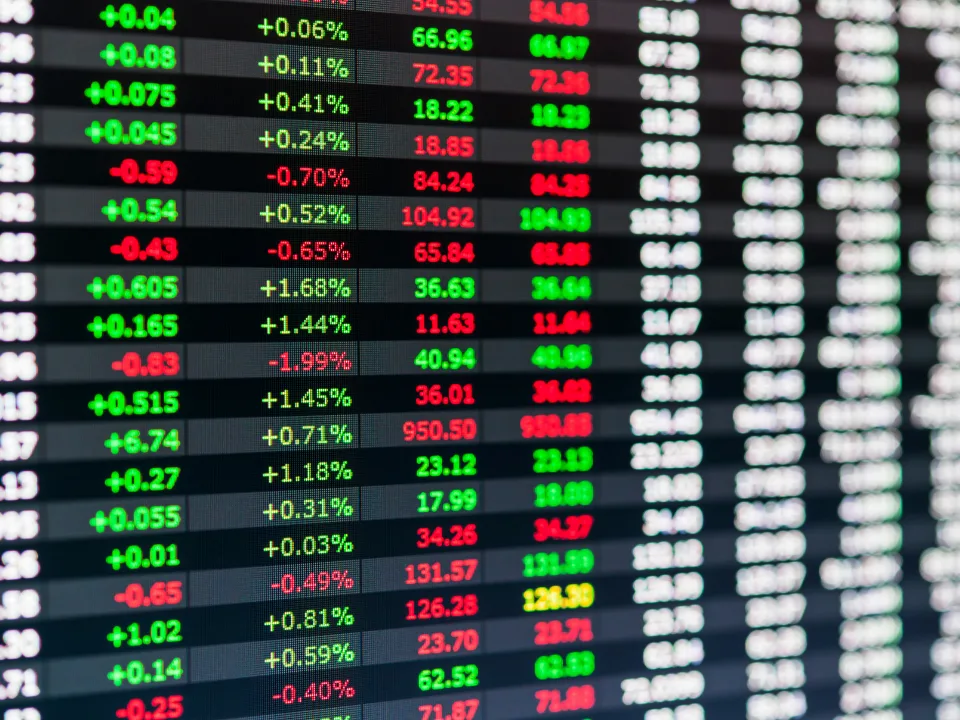
Uncertainty is pushing investors to anticipate a longer conflict, with oil futures climbing to new highs since the standoff began. Despite the US reducing its reliance on foreign oil, energy imports accounted for 17% last year, leaving the country exposed to ongoing price spikes. As international tensions persist, market volatility is likely to continue.
Get Smarter about what matters in CRE
Stay ahead of trends in commercial real estate with CRE Daily – the free newsletter delivering everything you need to start your day in just 5-minutes
Economic Pressure Mounts
Underlying US growth remains positive but is not keeping pace with job creation needs. According to Moody’s, unemployment is drifting higher and labor participation is falling, signaling persistent economic stress. Higher energy prices are disproportionately impacting lower-income households, further straining consumer spending and amplifying division.
Commercial Real Estate Faces Headwinds
The oil crisis and slowing economy have indirect but substantial effects on commercial real estate. Reduced job growth and softer consumer demand could curb leasing in retail and office sectors. Meanwhile, operating and construction expenses may rise alongside energy prices, with rising fuel costs already tightening project budgets in major metros and adding pressure to development timelines and feasibility. This complicates underwriting for owners and developers already facing market uncertainty. With just weeks to resolve the standoff, CRE stakeholders face a pivotal period.