


Office Foot Traffic Hits Post-COVID High for March, Led by West Coast Rebound
The gap to 2019 is closing faster than anyone expected, and cities that spent years at the bottom of the RTO rankings are finally turning a corner.

Nina Dale
April 29, 2026
In partnership with

Good morning. Office foot traffic just logged its best March since before the pandemic, and the biggest surprises are coming from the West Coast markets that spent years at the bottom of the RTO rankings.
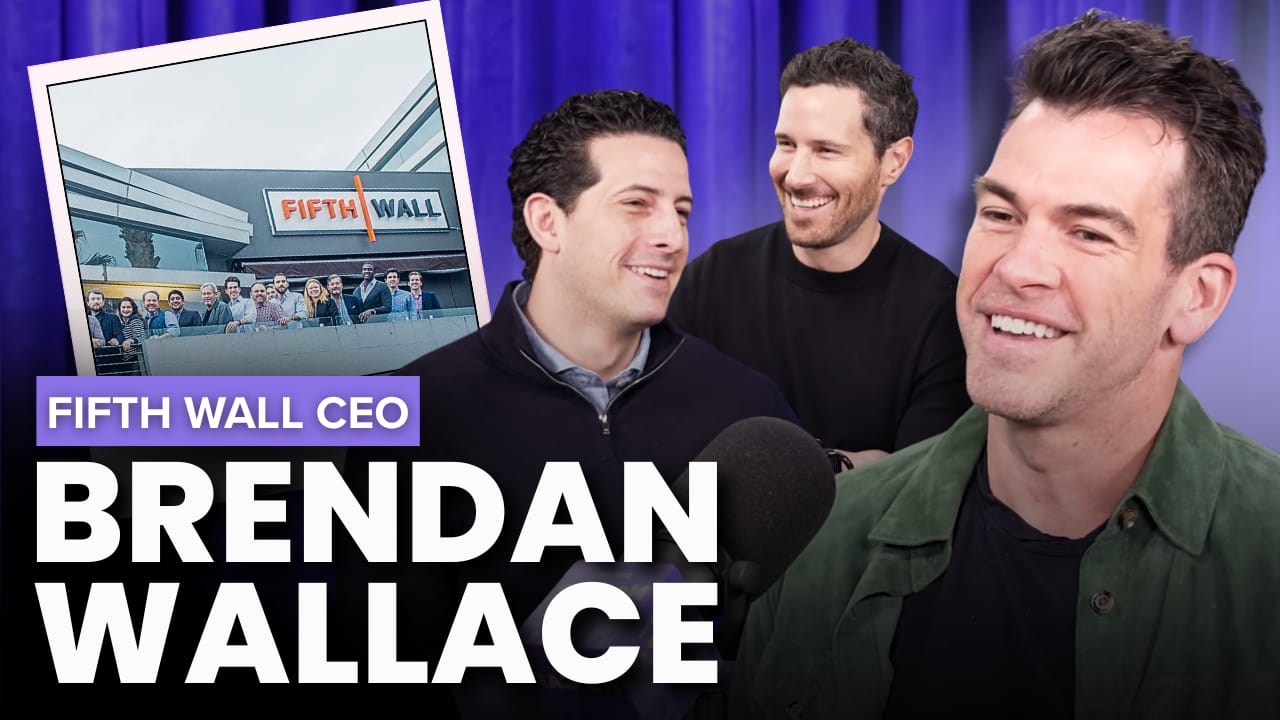
🎙️ This Week on No Cap: Fifth Wall CEO Brendan Wallace breaks down why real estate’s tech lag may be its biggest advantage, and how AI could turn proptech investors into the industry’s future operators.
Listen & subscribe: Apple Podcasts | Spotify | YouTube
IN PARTNERSHIP WITH BRACKET REAL ESTATE
bracketONE. Stop Managing Tools. Start Closing Deals.

Stalled deals, messy pipelines, and endless admin are costing you deals. bracketONE fixes all of it.
One platform to underwrite, price, and execute. No more copy-pasting between tools, no more dropped handoffs. Born from real deals, not product specs, bracketONE brings capital-markets intelligence to everyday brokerage—with institutional discipline and zero added overhead.
Less handoff. More closing. Completely free.
*This is a paid advertisement. Please see the full disclosure at the bottom of the newsletter.
Market Snapshot
|
|
||||
|
|
*Data as of 4/28/2026 market close.
RTO Trends
Office Foot Traffic Hits Post-COVID High for March, Led by West Coast Rebound
Office foot traffic is climbing steadily, with March marking the strongest in-person performance since the pandemic began.
By the numbers: Office visits in March 2026 were down 26.5% from pre-pandemic levels, improving from a 34% gap a year earlier. Year-over-year, visits rose 4.2% across 11 major U.S. markets, continuing the rebound from 2021 lows.

Chart courtesy of Placer.ai
Momentum builds: All tracked markets posted annual gains, signaling broad return-to-office traction. The rise is driven by stricter hybrid policies and a growing shift toward in-person work, with more mandates expected this year.
Leaders and laggards: Miami and New York City remain closest to pre-pandemic levels, down just 9.1% and 9.7%, respectively. Chicago still lags at -40.6%, though its 10.9% annual gain shows improvement.
West Coast comeback: West Coast markets are leading the gains, with Los Angeles up 16.6% year-over-year and San Francisco up 15.4%, partly driven by an AI-fueled rebound. Once a laggard, San Francisco has recently moved out of the bottom tier.
Driving the shift: Tighter mandates and shifting workplace norms are bringing more employees back to the office, with additional policies likely to accelerate the trend despite a full return remaining unlikely.
➥ THE TAKEAWAY
Back to the office: The office recovery is no longer just a slow crawl—it’s a coordinated rebound, with lagging markets now doing the heavy lifting; if West Coast momentum holds, the national gap to pre-pandemic levels could shrink faster than expected.
A MESSAGE FROM REALBERRY
What’s Driving Demand for Grocery-Anchored Retail

Grocery-anchored centers are outperforming—but not all deals are equal. Get a practical breakdown of what actually drives returns, from trade area fundamentals to tenant mix and demand durability.
👉 Can’t make it live? Register anyway and we’ll send you the recording to watch on your schedule.
*This is a paid advertisement. Please see the full disclosure at the bottom of the newsletter.
✍️ Editor’s Picks
-
Portfolio blind spot: Owners shouldn’t have to chase their property manager for status updates. Cardinal gives ownership real-time visibility across every property. Start your free trial today. (sponsored)
-
Sunshine swagger: Florida faces pressure to market itself more aggressively like Texas, as private leaders step in to attract businesses amid limited state-led efforts.
-
Spread pressure: Widening credit spreads—not interest rates—are driving CRE deal activity, raising borrowing costs and slowing transactions despite relatively stable benchmarks.
-
Don't test every AI tool yourself: AI.Edge from the A.CRE team does it for you. Monthly breakdowns of what actually works — so you master the AI skills that matter, not the ones getting the most press. (sponsored)
-
Jobs slowdown: U.S. metro job growth is losing momentum, with fewer gains, rising job losses across major cities, and smaller markets increasingly leading employment growth.
-
IPO push: Brookfield-backed CSquare has confidentially filed for an IPO as it expands its 80-site data center platform and accelerates a $1B acquisition spree driven by AI demand.
-
Rental crackdown: A proposed Senate bill forcing build-to-rent homes to be sold within seven years is stalling projects and freezing billions in investment, threatening the sector’s growth.
🏘️ MULTIFAMILY
-
Housing fund: Enterprise raised $335.8M for a major LIHTC fund to build and preserve over 2,500 affordable homes nationwide while driving significant economic activity.
-
Rent cooldown: U.S. multifamily rent growth is slowing to its weakest pace since 2021, with flat monthly momentum and sharp regional divides as Sun Belt markets lag.
-
Loan exit: Flagstar Bank took a $4.8M loss to offload a performing rent-stabilized loan, underscoring its push to reduce exposure to New York’s regulated housing sector.
🏭 Industrial
-
Industrial splurge: Blackstone acquired an eight-building South Florida warehouse portfolio for nearly $200M, doubling down on industrial assets amid strong logistics demand.
-
Google lease: Google signed a 723K SF industrial lease in North Carolina, driving a major share of Charlotte’s recent absorption amid tight big-box supply.
-
Automation demand: Warehouse automation is boosting demand for newer, larger industrial facilities despite rising vacancies, as tech-driven requirements reshape space needs and leasing trends.
-
Data push: Cresa is building a national data center practice led by industry veteran Michael Morris to capitalize on surging AI demand in a fragmented, opaque market.
🏬 RETAIL
-
Iconic sale: San Francisco’s historic Ghirardelli Square traded to new owners as investors bet on a retail rebound driven by experiential tenants and tourism.
-
Retail reset: Retail real estate is shifting toward smaller stores and prime locations, with experiential, wellness and food tenants driving demand in a quality-focused market.
-
Pharmacy pivot: CVS is expanding smaller pharmacy-only stores nationwide to improve access to care as the sector downsizes and closes underperforming locations.
-
Luxury resilience: Simon refinanced its Las Vegas luxury mall for $750M, pulling $190M in cash despite falling tourism, highlighting the strength of prime high-end retail.
🏢 OFFICE
-
Office overhaul: Rithm Capital is rebranding Paramount Group as Elecor Properties and investing $250M to upgrade its 13.8M SF New York and San Francisco office portfolio for the post-pandemic workplace.
-
AI nuance: Fears of an AI-led white-collar job collapse are overstated, as employment depends more on demand and market forces than automation alone.
-
Conversion surge: Office-to-residential and alternative conversions are accelerating, helping reduce excess supply as investors reposition obsolete buildings amid persistently high vacancies.
🏨 HOSPITALITY
-
Hospitality expansion: The H.Wood Group is expanding in Southern California with three new restaurant and lounge concepts, including its first Orange County location.
-
Pipeline growth: The U.S. hotel pipeline reached over 705,000 rooms in Q1 2026, with strong development and conversions driving modest supply growth through 2027.
📈 CHART OF THE DAY

Source: Ares
1Q26 CRE returns averaged +1.2%, but a wide gap between top and bottom performers highlights that asset and market selection drive results.
More from CRE Daily
-
📬 Newsletters: Stay ahead of the market with local insights from CRE Daily Texas and CRE Daily New York.
-
🎙️Podcast: No Cap by CRE Daily delivers an unfiltered look at the biggest trends—and the money game behind them.
-
🗓️ CRE Events Calendar: The largest searchable calendar of commercial real estate events—filter by city or sector.
-
📊 Market Reports: A centralized hub for brokerage research and market intelligence, all in one place.
-
📈 Fear & Greed Index: A fully interactive sentiment tracker on the pulse of CRE built in partnership with John Burns Research & Consulting.

You currently have 0 referrals, only 1 away from receiving Multifamily Stress Test Model.
What did you think of today's newsletter? |