



- Oil prices have driven a 2.2% increase in construction materials costs in March, with more volatility expected.
- NYC developers filed plans for 19.1M SF of new construction in Q4 2025, despite growing financial uncertainty.
- Affordable housing and midsized projects could be hit hardest by escalating materials and shipping expenses tied to rising oil prices.
- Contractors are building contingencies into contracts and becoming selective about new work as costs rise.
Oil Prices Pressure Building Pipeline
Rising oil prices, largely driven by conflict in Iran and shipping disruptions in the Strait of Hormuz, are starting to ripple through New York City’s construction sector, reports Bisnow. The surge has already pushed up material costs by 2.2% in March alone. With Brent crude surpassing $105 a barrel, developers and contractors are preparing for further price increases and supply delays as costs for oil-based and metal materials rise in tandem.
Robust Pipeline Faces New Cost Risks
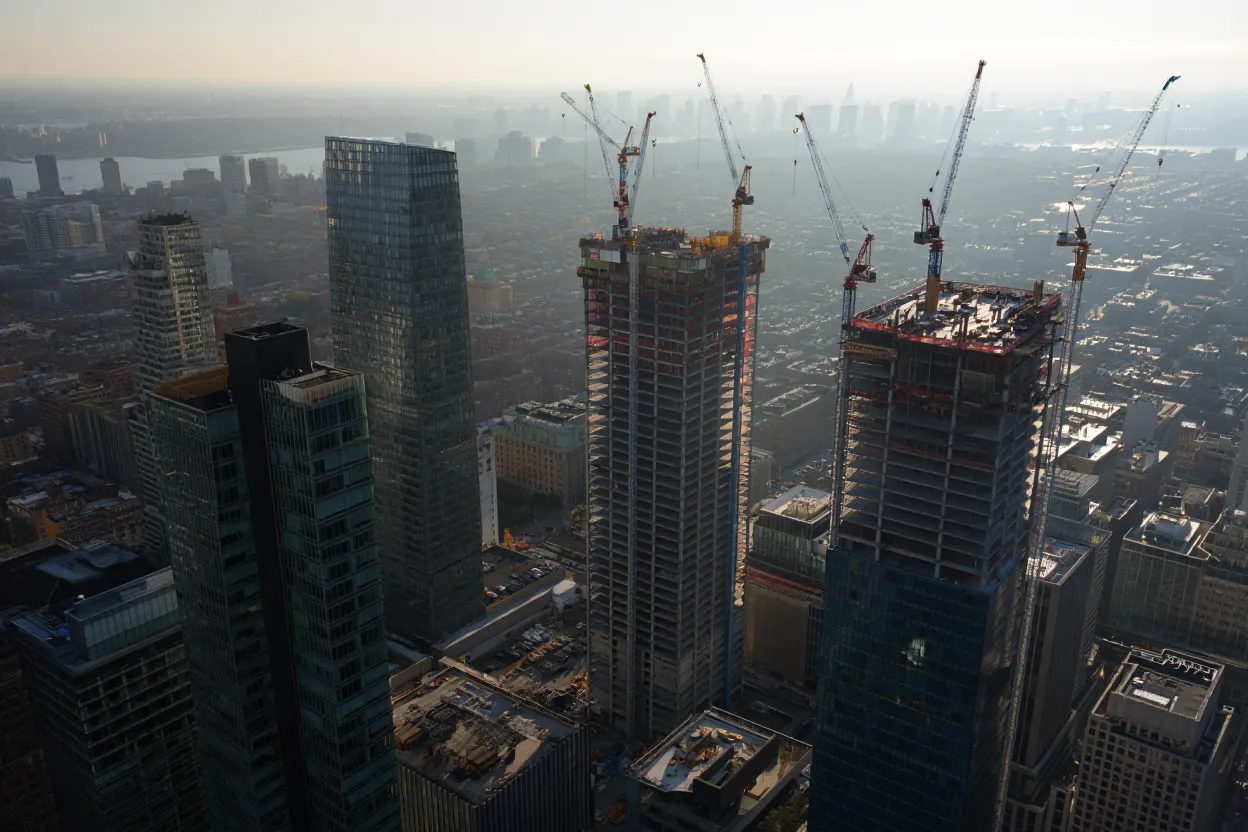
New York’s construction momentum has been strong, with Q4 2025 seeing an over 200% year-over-year surge in new development filings, totaling 19.1M SF according to REBNY. New residential filings climbed as well, and large office projects like Related and BXP’s Hudson Yards developments and RXR’s 175 Park Ave. are moving ahead. Yet, many contractors warn that prolonged oil price increases and ongoing uncertainty could challenge the financial viability of future projects. Similar pressures are already starting to delay or reshape project timelines in other markets, as developers reassess costs tied directly to energy-driven inputs and logistics.
Get Smarter About What Matters in New York
Subscribe to our free newsletter covering the biggest commercial real estate stories across the five boroughs — delivered in just 5 minutes.
Affordable Housing Most Vulnerable
Industry experts highlight that rising costs are most likely to squeeze mid-sized and affordable housing developments, such as those relying on New York’s 467-m and 485-x incentives. These projects—often sensitive to both construction and debt costs—may become nonviable as oil-driven expenses climb. Material delays and shipping issues are also a growing concern, potentially adding further strain to budgets and timelines.
Contractors Adapt to Volatile Conditions
Firms are proactively incorporating contingencies into contracts and restricting the types of projects they pursue, prioritizing repeat clients and more predictable work. With a steady pipeline but uncertain prospects, industry leaders remain cautious, fearing that persistent oil price inflation could slow New York’s construction resurgence and put additional stress on subcontractors and suppliers across the market.