




- Multifamily absorption slowed as job growth among young adults declined.
- Labor force participation dropped the most for adults ages 20 to 24.
- Net apartment absorption shifted to negative in late 2025 after a strong start.
- Other CRE sectors like office and retail remained stable despite labor market shifts.
Why Multifamily Demand Softened
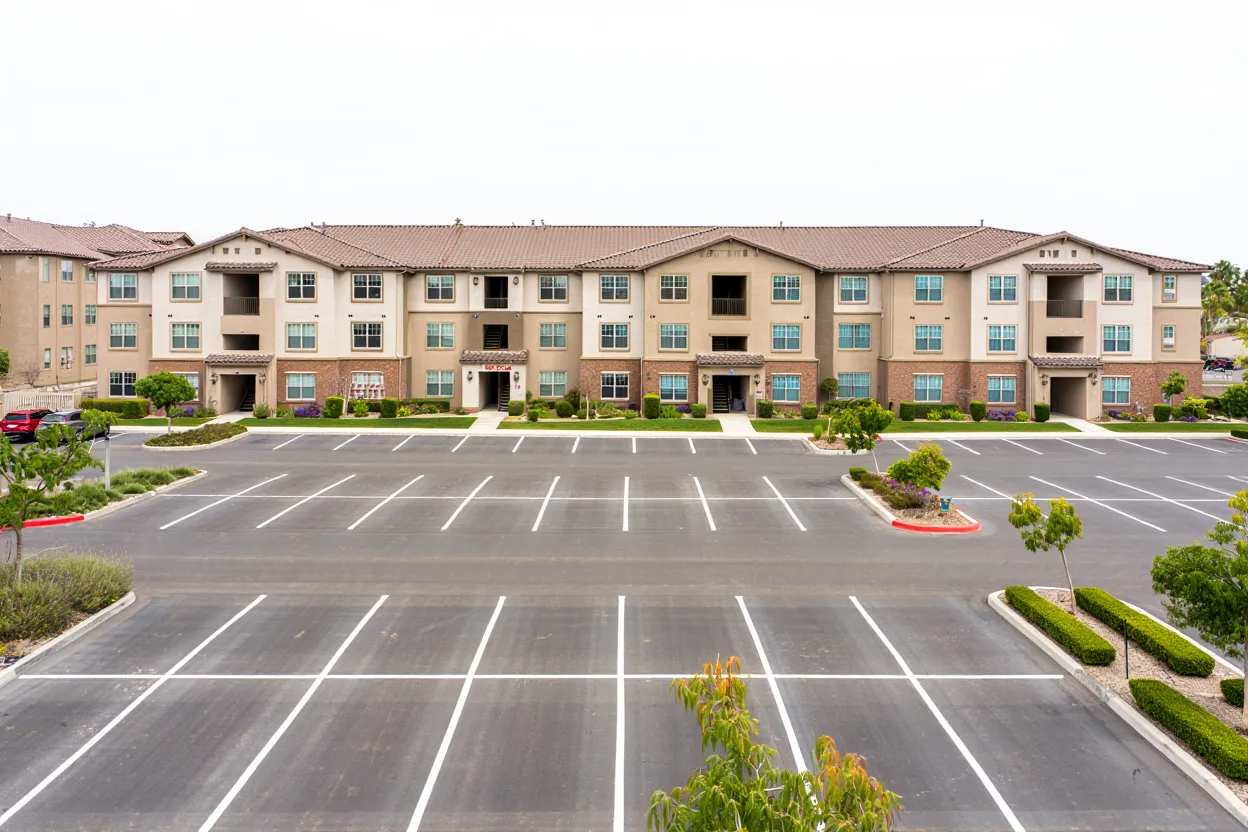
Recently, multifamily housing demand has cooled as job creation—especially for younger adults—slowed across the US. The biggest drop in labor force participation was among those aged 20 to 24, according to the latest labor market data. Globe St says that this trend delayed household formation, with more young adults staying at home and fewer entering the rental market.
Job Growth Trends Impacting Housing
March posted the largest monthly jobs gain since 2024, but broader trends show annual gains have plunged to an average of just 22,000 per month. Healthcare led what growth there was, while other industries barely contributed. Despite this, the unemployment rate held steady at 4.3 percent as fewer people entered the job market. Lower participation has become a key driver behind weaker multifamily absorption.
Get Smarter about what matters in CRE
Stay ahead of trends in commercial real estate with CRE Daily – the free newsletter delivering everything you need to start your day in just 5-minutes
Shift in Apartment Absorption
In 2025, net apartment absorption averaged 191,000 units per quarter early on, before plunging to just 35,000 in summer and turning negative in Q4 with a loss of about 40,000 units. At the same time, more young adults are delaying moving out due to rising living costs, further weakening renter demand. The decline in young adult renters directly impacted the multifamily sector, stalling demand even as the broader economy avoided sharp job losses.
Other Sectors Remain Resilient
While multifamily faced headwinds from job growth trends, other commercial real estate sectors were more insulated. Office markets logged positive absorption for seven straight quarters, powered mostly by demand for Class A space in both primary and suburban areas. Retail and industrial trends stayed mostly steady, even as tariff-related volatility briefly affected leasing activity. Experts expect multifamily demand to rebound once job growth among young adults returns and household formation resumes.