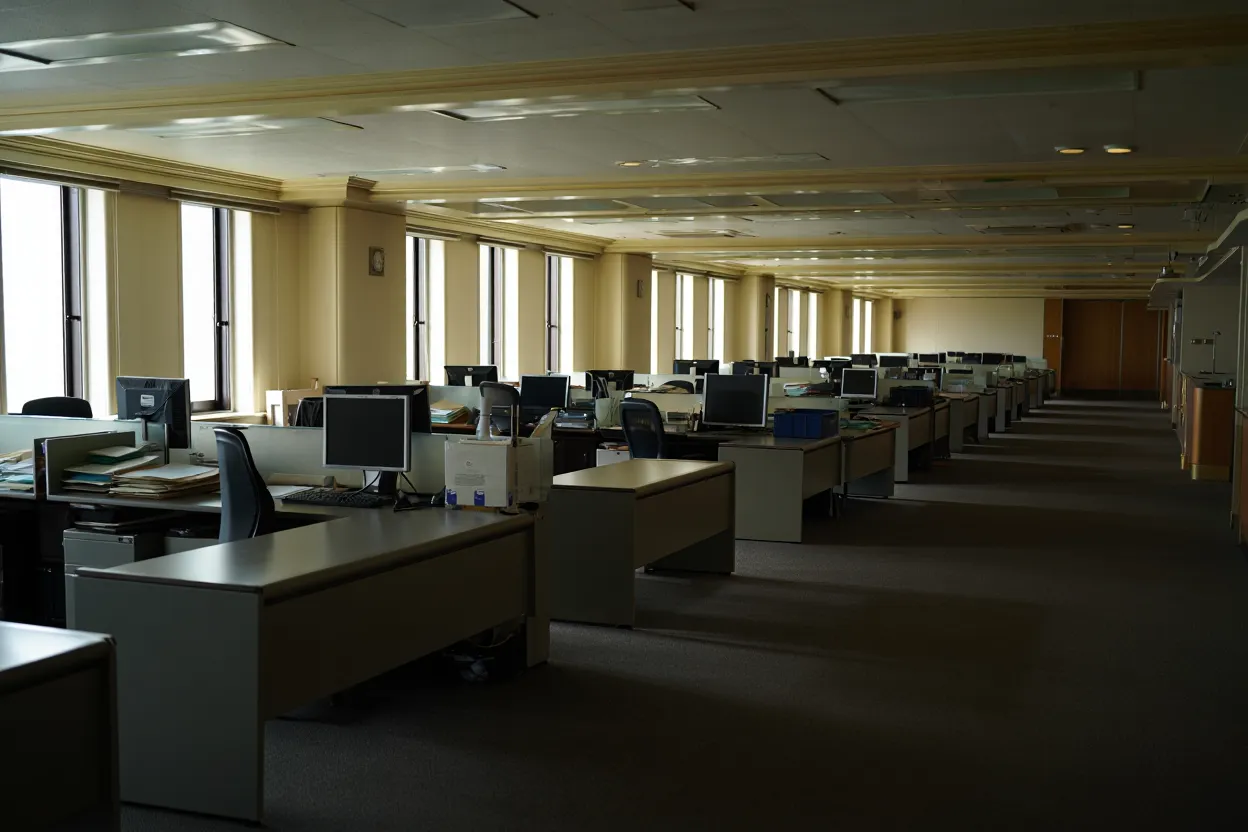





- Office space optimization is a challenge, with most agencies below the 60% utilization goal.
- The General Services Administration reported just 40% occupancy of its space.
- Leased offices generally have higher occupancy than government-owned space.
- Agencies must now address unused office space to align with federal benchmarks.
Utilization Rates Lag Across Agencies
Globe St reports that federal agencies are reporting significant underuse of their office portfolios, according to initial data released under the USE IT Act. The majority of departments are failing to meet the government’s 60% space utilization target, bringing renewed focus to inefficiencies and cost concerns in the federal real estate footprint.
The General Services Administration (GSA) reported just 40% overall space utilization and 47% for office areas. The Department of Justice reported only 24% overall use and 48% for offices. Agriculture, Labor, Treasury, and State all fell between 26% and 36% overall occupancy, with office-specific figures only moderately higher.
Gaps Between Leased And Owned Space
The USE IT Act mandates unified reporting on both owned and leased office space among large federal agencies. The new data shows leased offices generally see higher occupancy, with some agencies’ utilization rates bolstered by non-owned space. For example, the State Department’s overall utilization is higher in leased office buildings than its owned portfolio. This aligns with broader shifts in how office space is actually being used across the US, as utilization patterns continue to diverge from pre-pandemic norms.
Most federal buildings remain far below capacity, especially when factoring in common areas like hallways and conference rooms. This points to opportunities for consolidation and cost savings through more efficient space management.
Strategic Next Steps For Agencies
Agencies lagging behind the 60% threshold are now required to create action plans under the USE IT Act. Options include consolidating locations, relocating staff, or divesting underused buildings. Some, like the FBI, have already begun moving employees into better-utilized facilities. Others are preparing to sell or repurpose outdated properties.
The GSA emphasized these findings as a starting point for long-term federal office space optimization. Policymakers are expected to continue tracking agency performance and push for greater efficiency across the government’s real estate portfolio.
Get Smarter about what matters in CRE
Stay ahead of trends in commercial real estate with CRE Daily – the free newsletter delivering everything you need to start your day in just 5-minutes