




- Dallas-Fort Worth recorded the second-largest population gain among US metros, adding 123,557 residents from July 2024 to July 2025.
- Overall growth slowed, rising 1.4% year-over-year compared to 2.3% the previous year.
- Net international migration into Dallas-Fort Worth fell sharply, dropping from 116,000 to 55,000 residents year-over-year.
- Suburban counties like Collin and Kaufman saw continued, rapid population expansion, while Dallas County declined.
Regional Population Growth Stays High
Dallas-Fort Worth remains one of the nation’s fastest-growing metros, trailing only Houston in total new residents over the past year. The region’s population reached about 8.4M, sustaining robust demand for housing and commercial development across the Metroplex, reports The Real Deal. On average, 339 people were added each day, underscoring continued growth in both residential and commercial real estate sectors.
Shifting Momentum and Drivers
While Dallas-Fort Worth growth remains positive, momentum has slowed. This year’s 1.4% rise is down from 2.3% last year. The slowdown is largely due to declining international migration, which dropped by nearly half. National trends mirror this, with US net international migration falling from 2.7M to 1.3M. The result is a recalibration in how growth is distributed throughout the region, even as flexible workspace demand continues supporting parts of the office market.
Get Smarter About What Matters in Texas
Subscribe to our free newsletter covering the biggest commercial real estate stories across Texas — delivered in just 5 minutes.
Suburban Push and Changing Dynamics
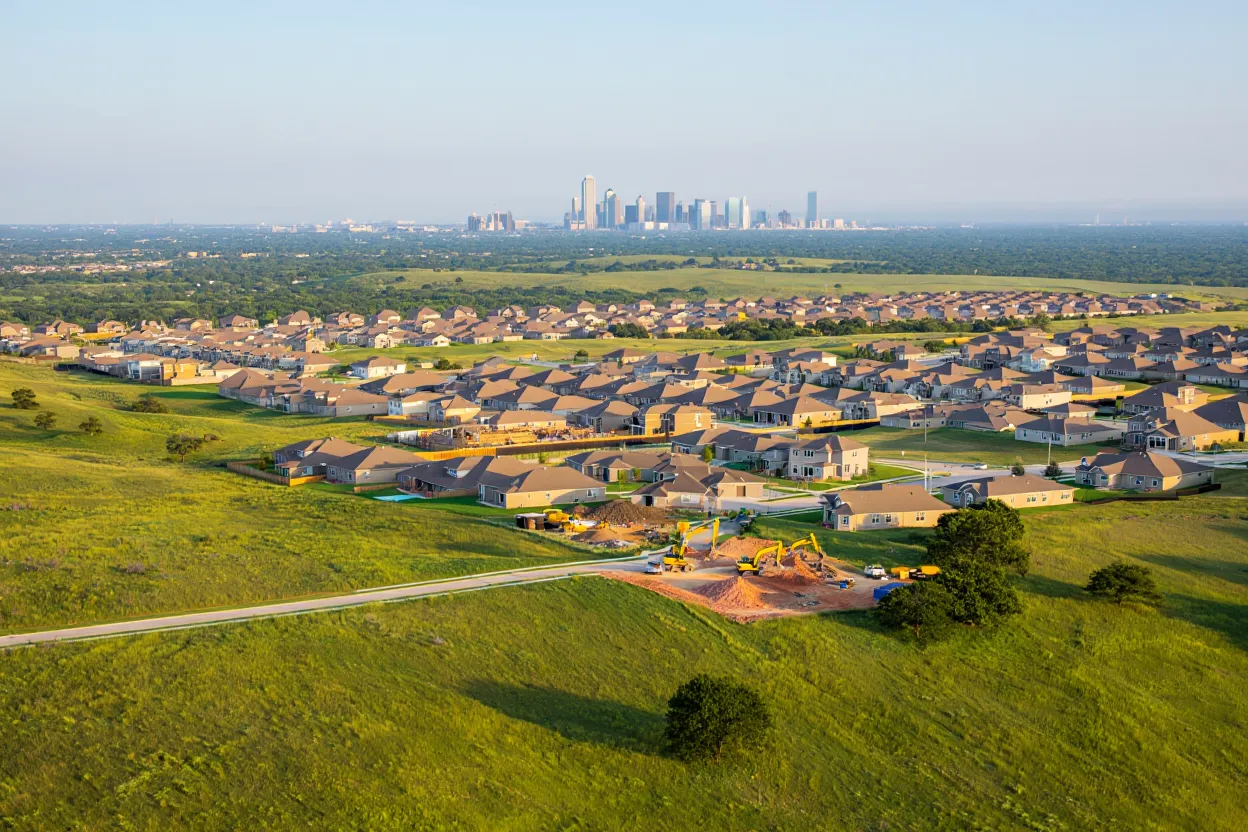
Suburban counties are now driving much of Dallas-Fort Worth growth. Collin County was second in the nation for numeric growth, adding nearly 43,000 people, while Kaufman County’s population surged 5.7%—one of the fastest rates nationwide. Conversely, Dallas County experienced a population decline of about 2,600 residents as domestic outmigration and fewer new international arrivals now outpace growth.
What’s Next for the Metroplex
As migration slows, natural growth—births over deaths—will play a larger role in Dallas-Fort Worth’s population gains. Suburban expansion will continue fueling demand for new housing and commercial development across North Texas. The region will remain a top destination both regionally and nationally despite shifting migration trends. Counties like Tarrant and Denton are still growing, though at slower rates, signaling gradual cooling with ongoing opportunities.