



- More than $100B of CMBS loans mature in 2026, with over half expected to default.
- Office delinquency rates in CMBS reached over 12% in early 2026, despite prior signs of recovery.
- The most at-risk loans are five-year vintages originated in 2021, due to low cap rates and high leverage.
- The end of ‘extend and pretend’ is forcing lenders and borrowers toward workouts or foreclosures.
CMBS Office Loans Face Major Test
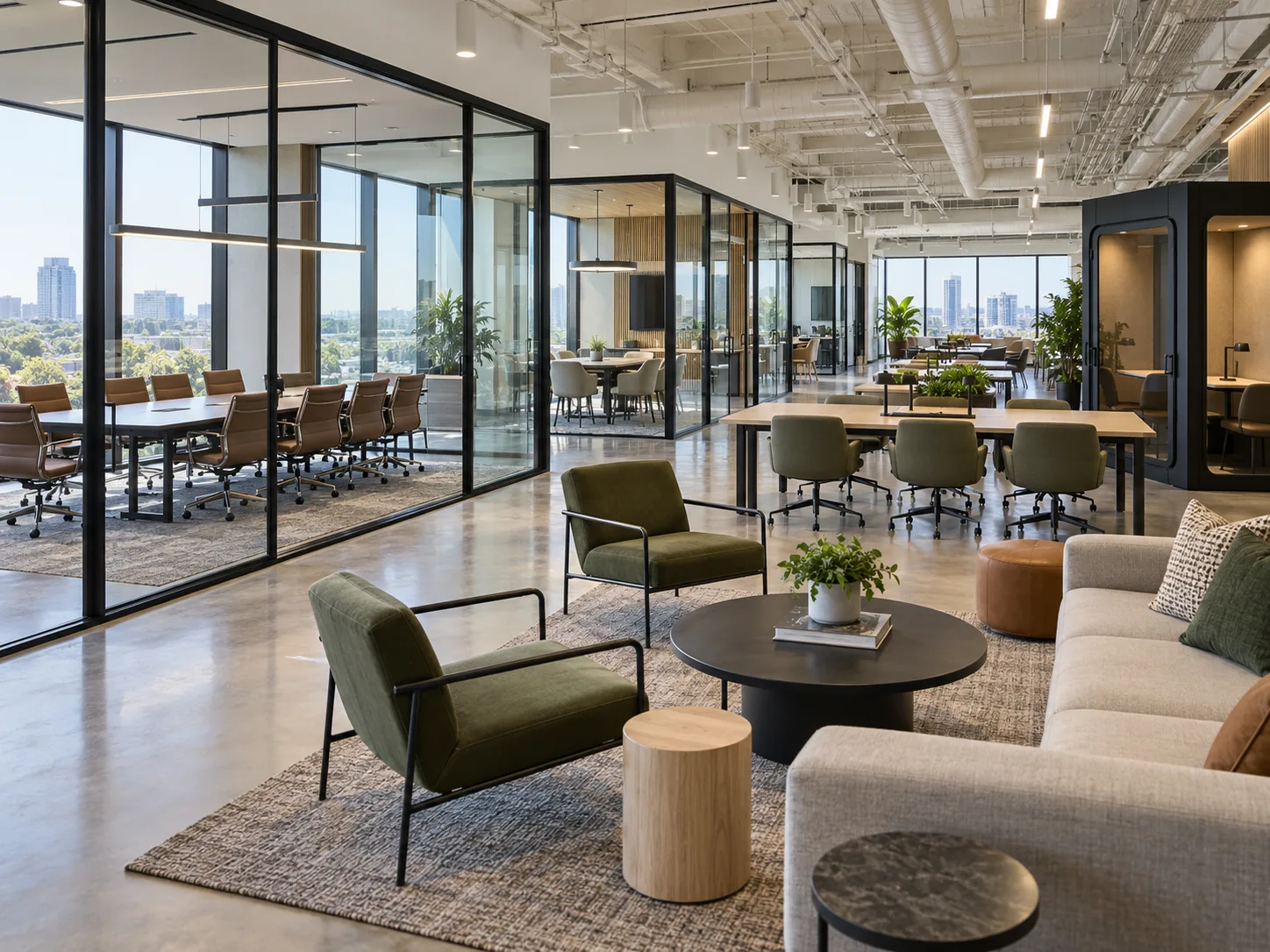
CMBS office distress is rising as the sector enters a critical year for loan maturities, Commercial Observer reports. The market saw a brief rebound in 2025, but momentum has faded. More than $100B in CMBS loans will mature in 2026, with office assets making up a large share. Analysts expect over half of these loans to miss refinancing or full repayment. As a result, more assets will enter special servicing. This shift increases foreclosure risk and could drive significant loan losses.
Refinancing Struggles and Rising Defaults
The office comeback that began in 2025 has stalled. According to Trepp, CMBS office delinquency rates reached an all-time high of 12.34% in January 2026, before dipping to 11.4% the following month. The root cause is not missed monthly payments, but maturity defaults—sponsors can’t refinance in a high-rate, low-value environment, even if properties are still cash flowing. Some lenders still try to modify loans and delay losses, but that strategy is becoming harder to sustain as maturities pile up.
Get Smarter about what matters in CRE
Stay ahead of trends in commercial real estate with CRE Daily – the free newsletter delivering everything you need to start your day in just 5-minutes
Vintage Analysis: Five-Year vs. Ten-Year Loans
The 2026 maturity wall stems from two loan groups: 10-year CMBS loans from 2016 and 5-year loans from 2021. The 2016 loans originated before the pandemic, while the 2021 loans came from a low-rate environment. Recent Trepp data shows nearly half of the 2019 and 2021 five-year loans failed to pay off at maturity. This trend signals growing stress among newer loan vintages. Moreover, experts view five-year loans as the bigger concern. Borrowers used aggressive leverage and bought at peak pricing during easy money conditions. As a result, many now struggle to refinance in today’s higher-rate environment.
‘Extend and Pretend’ Ends, Workouts Begin
Lenders are increasingly unwilling to grant maturity extensions without significant borrower concessions, signaling an end to the post-pandemic ‘extend and pretend’ approach. This shift means many office asset owners must now secure new equity, restructure loans, or face foreclosure. The volume and complexity of distressed CMBS office loans are making resolutions slower and more costly than other asset classes.
What’s Next for CMBS Office Distress
As $148B in office-backed CRE debt matures in 2026, both market participants and observers are watching for signs of systemic risk. While some remain optimistic that distress will be contained, others warn that the unique capital structures of CMBS, along with ongoing low occupancy and leasing demand, could prolong market stress. The outcome may hinge on rescue equity, lender flexibility, and broader economic conditions in the months ahead. CMBS office distress will remain a focal point for CRE markets through 2026 and beyond.