



- Net lease deals now favor shorter terms with built-in escalation clauses over long-term flat rents.
- Tenant mix is diversifying beyond retailers to include medical clinics and last-mile industrial users.
- Investors are focusing more on risk sharing and tenant credit, especially after exits by large chains like Walgreens and Bed Bath & Beyond.
- Health care and industrial uses are increasingly attractive net lease tenant types.
Escalation Clauses Replace Flat Rents
Net lease deals, once known for predictability and flat rents, are shifting toward more flexible agreements, reports Globe St. Recent leases now include regular escalation clauses, reflecting broader market volatility and efforts to hedge against inflation. Instead of “set and forget” income, net lease owners are underwriting deals more cautiously and adjusting for evolving risk profiles.
Changing Tenant Credit and Risk
The traditional model of relying on large national retailers for stability is undergoing change. With challenges facing companies like Walgreens and CVS, investors are now scrutinizing tenant credit and resilience more closely. There is an increased focus on which party—landlord or tenant—absorbs risk, especially as landlords push for escalation clauses to keep income in line with costs.
Get Smarter about what matters in CRE
Stay ahead of trends in commercial real estate with CRE Daily – the free newsletter delivering everything you need to start your day in just 5-minutes
Diversifying Beyond Retail
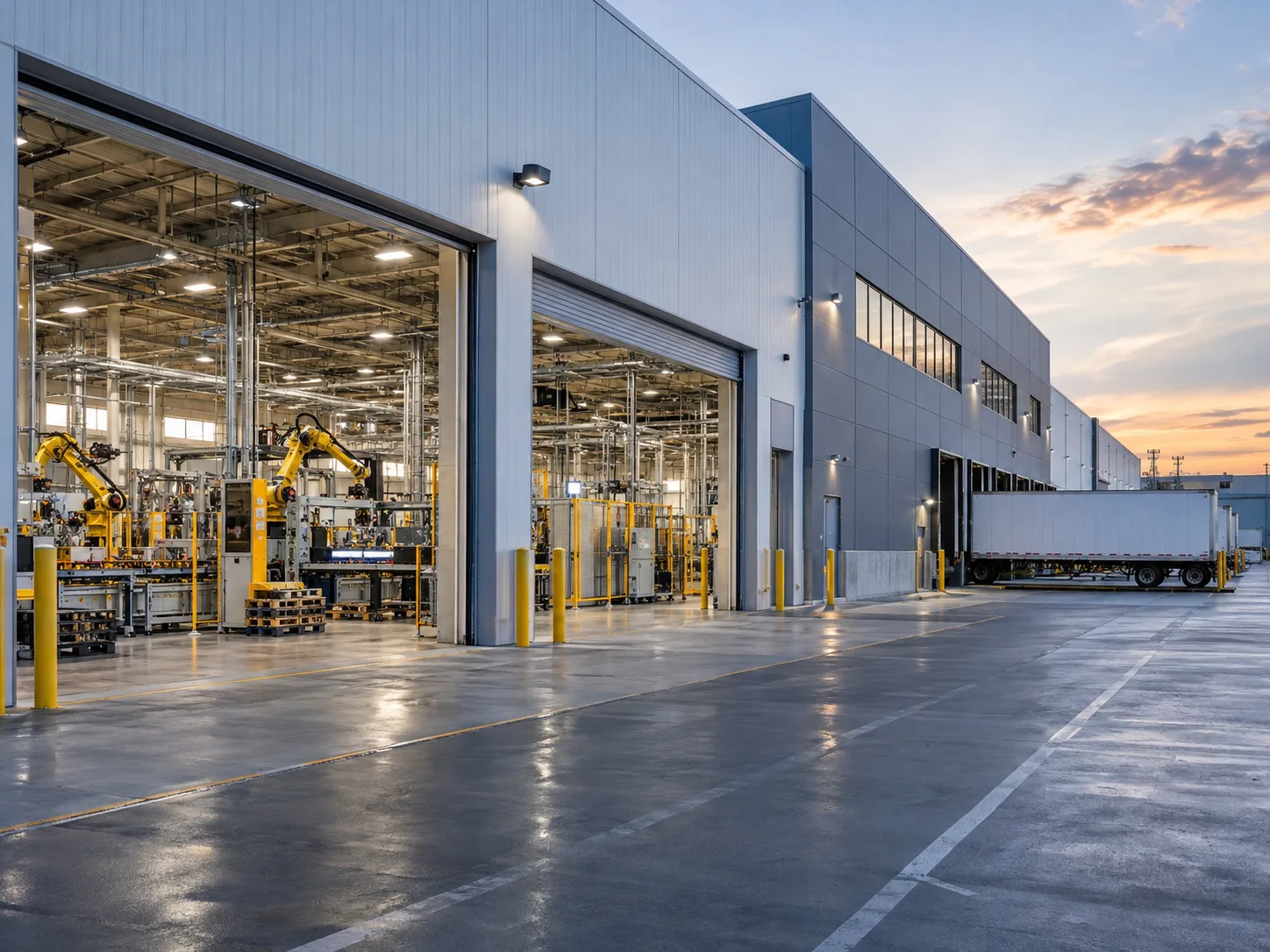
The definition of a desirable net lease tenant is broadening. Medical clinics and last-mile industrial operators are drawing capital due to their business stability and tenant investment in buildouts. These user types provide stickier occupancy and are less susceptible to e-commerce disruption. Industrial assets, especially those supporting e-commerce logistics, are seen as a new frontier for net lease investment, judged by supply chain relevance as much as traditional retail fundamentals, a trend that’s also driving stronger returns and renewed investor focus on older industrial assets positioned for yield growth.
Redefining Net Lease Assets
Net lease properties increasingly include medical and industrial users, in addition to quick-service retail. The single-tenant, freestanding format remains a hallmark, but underwriting now involves a range of business models and operational exposures. Investors are adapting, seeking opportunities in sectors driven by demographic trends and logistics needs, signaling a transformation in the net lease landscape.