



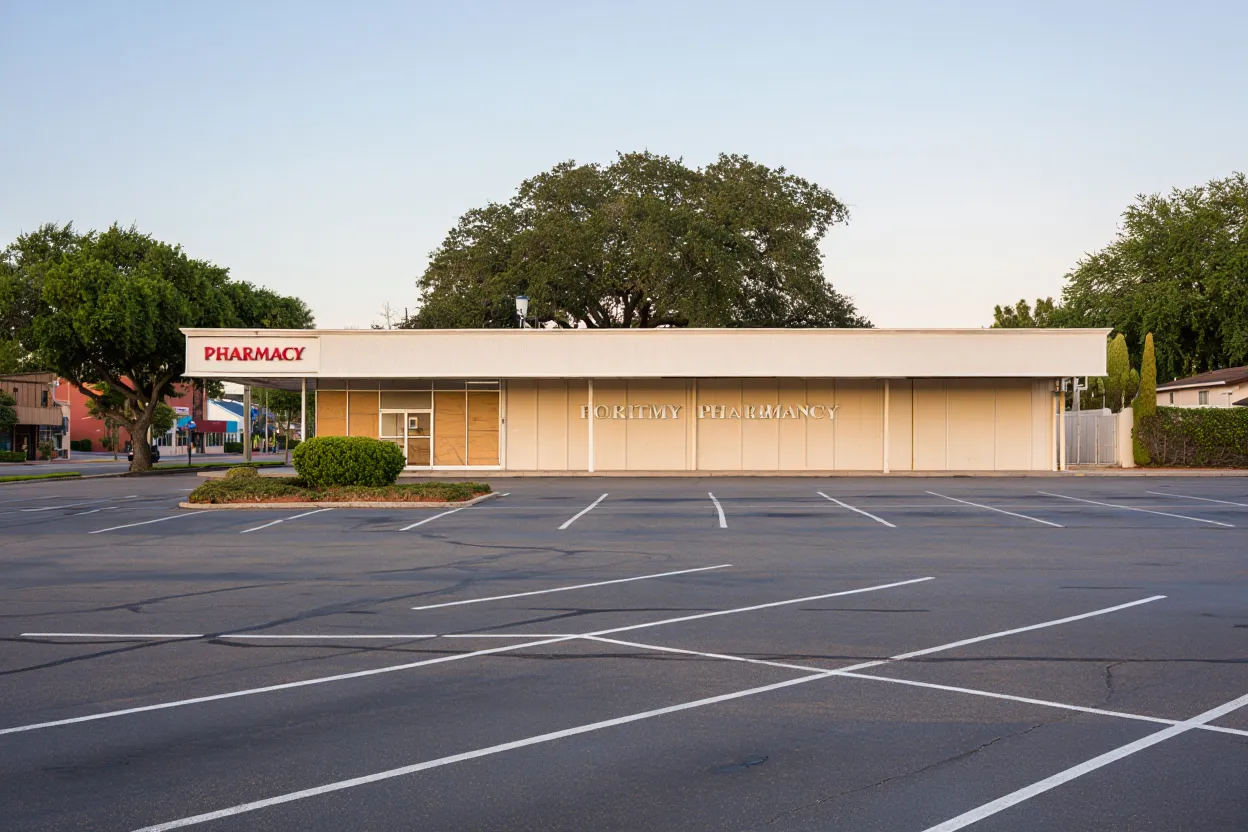
- More than 2,000 pharmacy locations have shuttered since 2022, driving retail vacancies nationwide.
- Vacant pharmacy real estate offers prime, highly adaptable sites for diverse backfill tenants.
- Discount retailers, healthcare providers, and value-focused chains are key new users of these spaces.
- Redevelopment is most attractive on high-value corners suited for mixed-use or higher-density projects.
Pharmacy Closures Create Vacant Retail Inventory
Pharmacy closures are surging across the US, led by Walgreens, CVS, and Rite Aid. The sector’s contraction has resulted in over 2,000 sites shuttered since 2022, with more to follow. Economic pressures and shifting consumer behavior are pushing chains to trim their footprints, leaving prime corners and intersections vacant in neighborhoods nationwide, reports Urban Land.
Redevelopment and Backfill Strategies
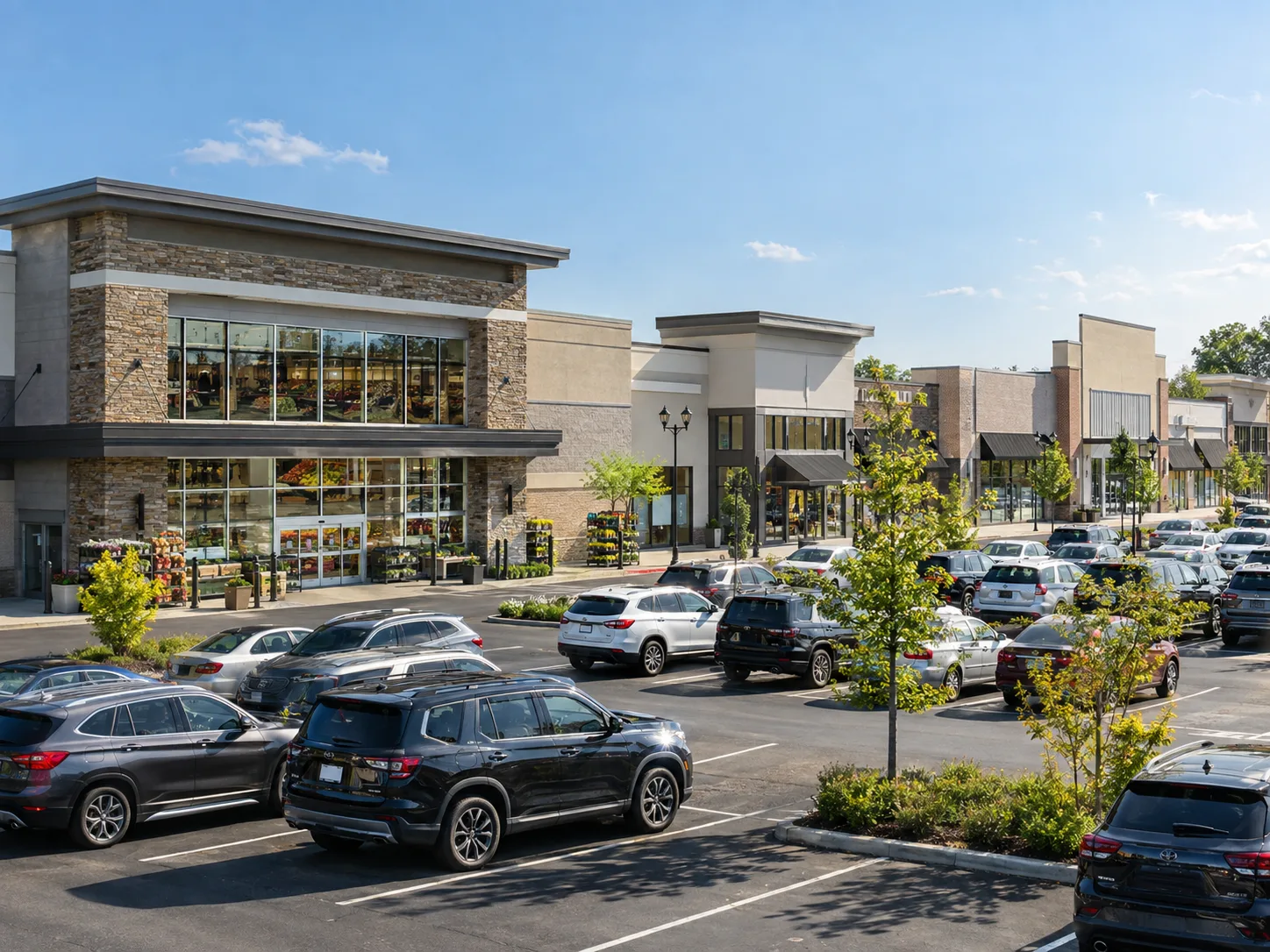
Vacant pharmacy real estate frequently sits on high-visibility corner parcels with strong traffic counts—making it attractive to retailers. Sites typically range from 7,000 to 14,000 KSF and are valued for their flexible, “plain vanilla” construction and existing drive-throughs. Two main strategies are emerging:
- Backfilling with new tenants preserves structures, minimizes downtime, and is often the fastest option in today’s tight construction and entitlement environment.
- Developers favor ground-up redevelopment in high-value areas where land supports denser or alternative uses. These uses include multifamily housing and QSRs, though projects carry higher costs and greater risk.
Get Smarter about what matters in CRE
Stay ahead of trends in commercial real estate with CRE Daily – the free newsletter delivering everything you need to start your day in just 5-minutes
Who Is Backfilling Pharmacy Sites
A diverse group of tenants is stepping in to fill spaces left by pharmacy closures. Dollar stores lead activity, with Dollar Tree and Dollar General expanding aggressively. They target these sites for their manageable size and strong, high-traffic locations.
Healthcare providers are also increasing their presence in these former pharmacy spaces. Urgent care centers, dialysis clinics, and senior care operators seek accessible, smaller-format locations. These sites meet growing demand for convenient, community-based medical services.
Meanwhile, thrift stores and independent grocers are entering the mix. Many grocers focus on serving ethnic communities with tailored product offerings. In addition, specialty users like veterinary clinics and recreation centers are leasing these spaces. This shift follows major chain downsizing, including plans to close hundreds of stores over the next few years.
Overall, these former pharmacy boxes support a wide range of business models. Their flexibility remains valuable as available retail space stays limited across many markets.
What’s Next for Pharmacy Real Estate
Pharmacy closures will continue to spark redevelopment and leasing activity, especially in dense urban and affluent suburban corridors. As the stand-alone pharmacy fades, the underlying real estate will be repositioned for new uses. The shift underscores the lasting value of well-located retail land, as these sites transition from their pharmacy era to become anchors for the evolving retail landscape.