





- Atlanta multifamily landlords filed over 144,000 evictions in 12 months—more than any other US metro.
- Rising rents and shrinking affordable inventory drive filings, with a quarter of households affected.
- Local laws, tax burdens, and post-pandemic rental fraud add complexity to Atlanta’s eviction crisis.
- Eviction costs landlords two to three months of rent, compounding economic vacancy rates.
Eviction Filings Lead the Nation
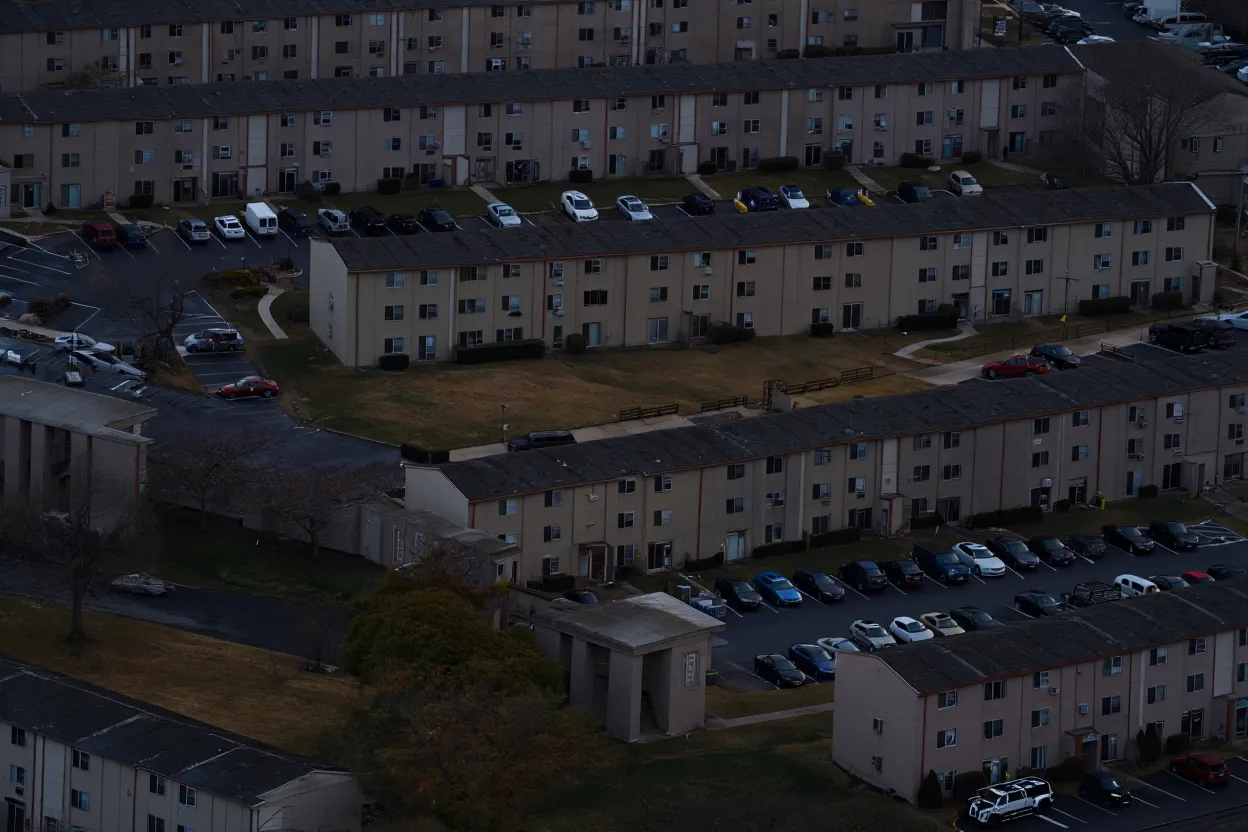
Bisnow reports that Atlanta multifamily owners filed more than 144,000 eviction cases in the 12 months through February. Princeton University’s Eviction Lab provided the data. That total exceeds eviction filings in New York City and most individual states. As a result, Atlanta now ranks as the top metro for evictions in the United States. Roughly one in four renter households in Atlanta faced an eviction filing over the past year.
Rising Rents and Affordability Challenges
Affordability remains a central concern in Atlanta multifamily housing. While average rents rose 1.5% in the past year to $1,532 per unit, the prior year saw a 17% jump. Declining new construction will likely push rents up more than 4% in 2026. That would mark one of the largest increases nationwide. At the same time, rent growth has continued to support property performance across the market, even as pressures build on tenants. Over the last three years, Atlanta lost 67,000 affordable units. This loss has reduced accessible housing and left more tenants at risk of eviction.
Get Smarter about what matters in CRE
Stay ahead of trends in commercial real estate with CRE Daily – the free newsletter delivering everything you need to start your day in just 5-minutes
Policy, Tax, and Market Factors
Industry professionals cite local landlord-friendly laws and high property taxes as key drivers of Atlanta multifamily eviction filings. Affordable housing developers report that property tax liabilities can consume up to half of a project’s revenues, even in properties where rents are capped by government programs. Meanwhile, the region’s eviction process and rental assistance culture, fostered during the pandemic, are cited as drivers of nonpayment by some landlords.
Fraud, Vacancy, and Economic Impact
Post-pandemic rental fraud continues to challenge Atlanta multifamily investors. Despite new fraud detection tools, institutional investors face ongoing high economic vacancy rates and mounting costs. Filing for eviction, though relatively inexpensive, leaves units in limbo for months. Recent research indicates that as many as 15% of evicted tenants might have resumed payments if offered more flexibility, highlighting the difficult cost-benefit calculus for landlords in the current market.