



- Arbor Realty Trust resolved $350M in delinquent loans and REO assets in Q4 2025.
- The firm targets reducing REO holdings to $250M–$300M by end of 2026.
- Immigration enforcement weighs on multifamily occupancy, especially in Houston.
- Most legacy multifamily loans have been modified or are performing, with $570M still delinquent.
Distressed Multifamily Initiatives
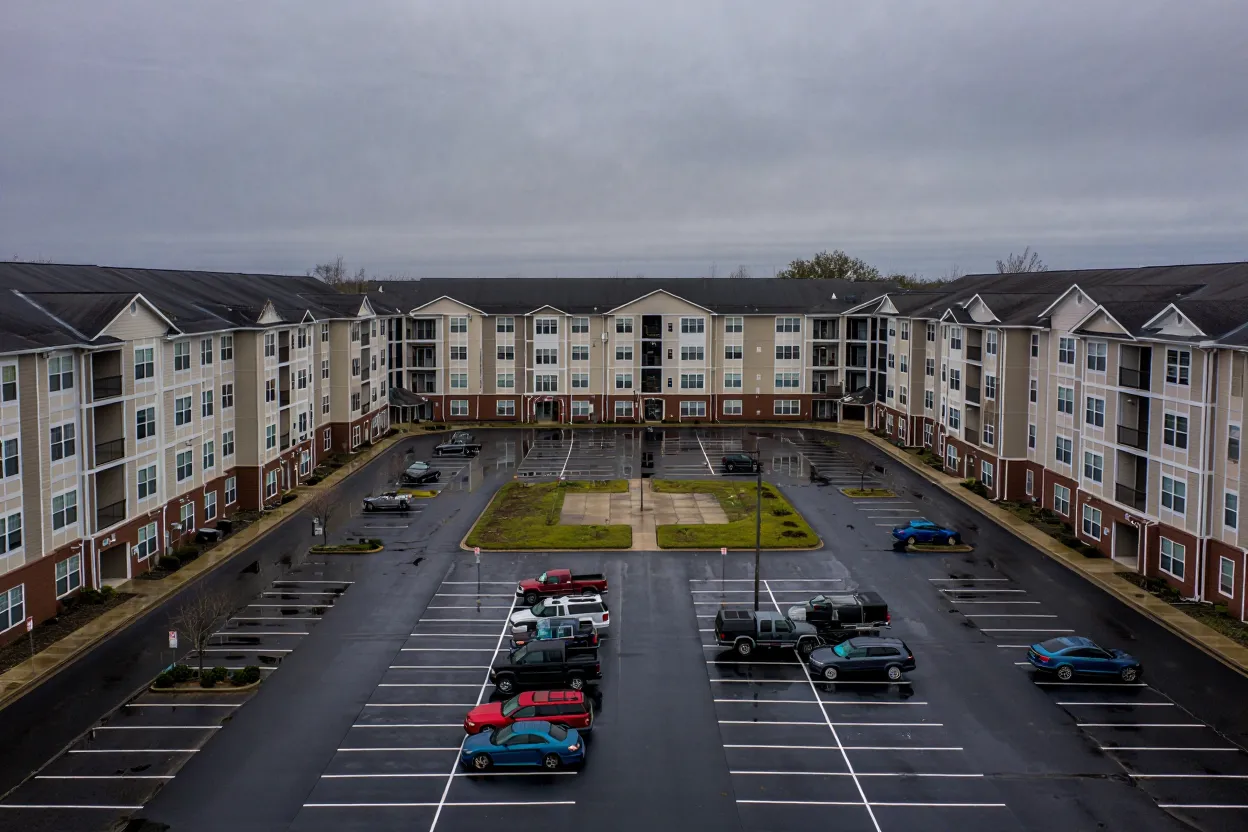
Multifamily lender Arbor Realty Trust is intensifying efforts to resolve distressed apartment loans and properties in its portfolio. After a challenging period marked by delinquencies and real estate-owned (REO) increases, the company reported notable progress during its Q4 2025 earnings call, reports Multifamily Dive. CEO Ivan Kaufman stated the multifamily cycle appears to have bottomed, with stabilization visible across key metrics.
During the last quarter, Arbor resolved $350M in troubled loans, while also onboarding $270M in new delinquencies and REO. By year-end 2025, nonperforming assets stood at $1.1B, featuring $570M in delinquencies and $500M in REO. This represented an 11% decrease from the previous quarter, indicating traction in problematic asset resolution.
Asset Resolution Strategies
Arbor is proactively intervening when operators underperform or lack capital, often stepping in to take control of distressed multifamily assets. The company has seen ‘multiple bids’ and improved pricing transparency in the disposition process as market liquidity gradually returns.
Strategies include resetting interest rates on legacy loans to reflect current market conditions and requiring borrowers to provide additional capital. The lender’s legacy multifamily loan book, valued at $5B, now includes $1.5B of loans performing as originally structured, $3B modified to accommodate current conditions, and $570M classified as delinquent. This push to clear troubled assets also comes as broader commercial real estate markets continue to track rising distress levels, particularly within securitized property debt.
Headwinds from Immigration Enforcement
Despite progress on transactions, pressure persists in parts of Arbor’s multifamily portfolio, especially Houston. Recent federal immigration enforcement actions have disrupted tenant stability and weakened occupancy across several properties. ICE raids sharply reduced occupancy in buildings that previously maintained consistently high leasing levels. As a result, volatility now extends beyond Houston into San Antonio, Dallas, Atlanta, and parts of Florida.
Arbor expects ongoing volatility in these regions, but remains focused on reducing distressed assets and adapting loan structures as liquidity returns to the multifamily sector.
Get Smarter about what matters in CRE
Stay ahead of trends in commercial real estate with CRE Daily – the free newsletter delivering everything you need to start your day in just 5-minutes