
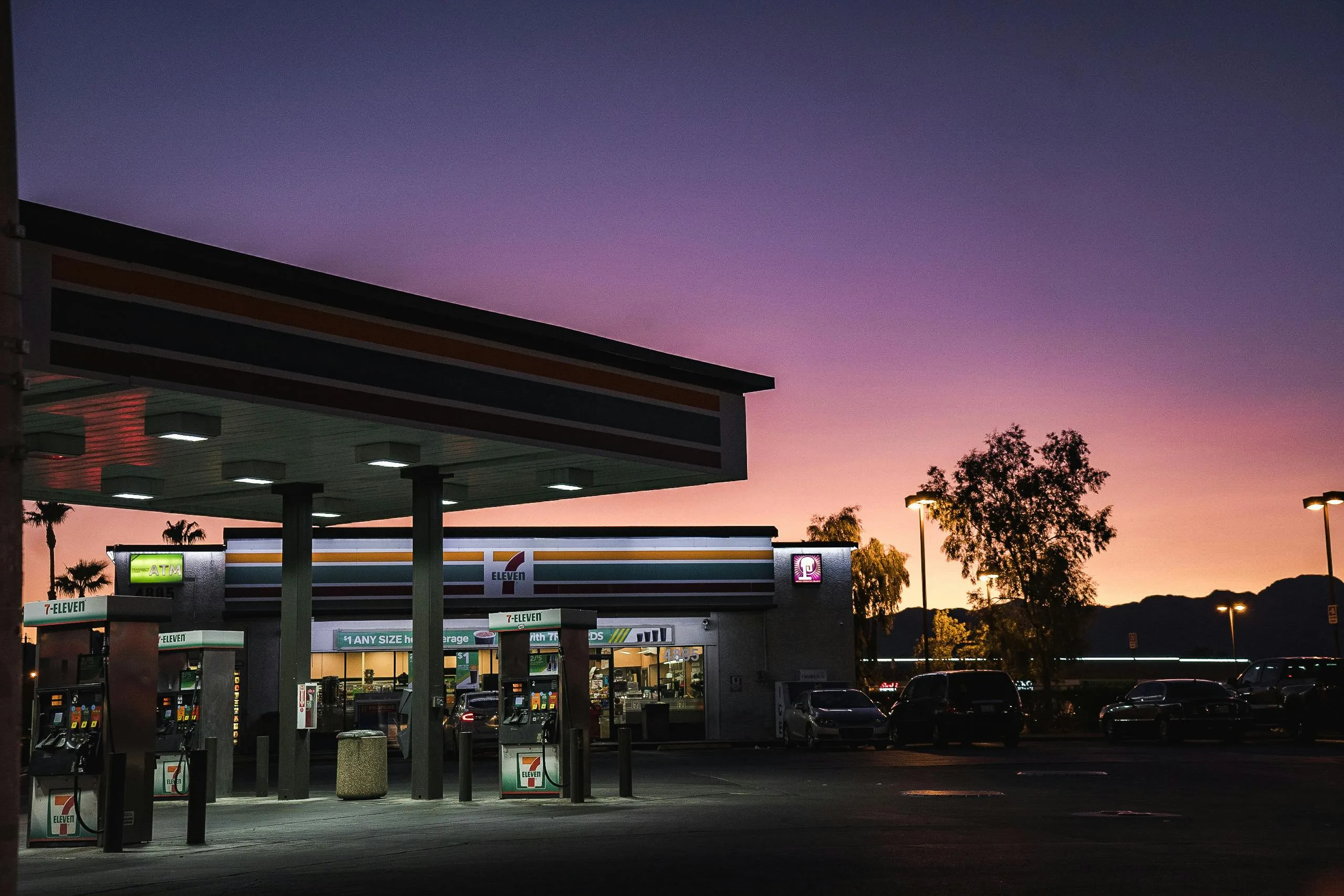
- C-Store net lease supply rose 27% after tax policy reinstated 100% bonus depreciation.
- Cap rates remained steady, with longer lease terms and fuel presence impacting pricing.
- 7-Eleven leads listing volume while Wawa sets the sector’s lowest cap rates.
- Store formats are evolving as operators shift toward non-fuel revenue sources.
Tax Changes Spark C-Store Supply Surge
Globe St reports that permanent 100% bonus depreciation, reinstated by recent tax legislation, is fueling a significant jump in convenience store net lease activity. According to B+E, C-store net lease inventory climbed 27% between July and year-end 2025, with available properties rising from 302 to 384. The policy shift enables operators and investors to expense qualifying assets immediately, boosting sale-leaseback and disposition activity.
Average C-store cap rates inched up only slightly, to 5.62%—up 5 bps since July and 12 bps year-over-year—showing sellers are meeting market demand despite the influx of properties. The ability to deploy capital into modernization and expansion, especially as operators pivot from reliance on fuel revenues, is a key motivator for increased supply.
Lease Terms and Fuel Shape Pricing
Longer-term leases dominate the supply: 67% of available C-store net lease properties offer at least 10 years of remaining term, with these assets trading at a 5.50% average cap rate. Properties with fuel comprise nearly all listings, with an average cap of 5.58%; non-fuel deals carry a steeper 6.87% average. Despite higher cap rates, non-fuel C-store assets often command larger footprints and higher sale prices, reflecting ongoing repositioning as operators look beyond fuel-driven margins.
Get Smarter about what matters in CRE
Stay ahead of trends in commercial real estate with CRE Daily – the free newsletter delivering everything you need to start your day in just 5-minutes
Operators Influence Cap Rate Spectrum
7-Eleven holds 44% of listed C-store net lease inventory, following a 42% surge in listings; its average cap rate rose to 5.36% amid a credit downgrade and failed sale. The typical 7-Eleven listing is offered at $5.66M, with 10.6 years of average lease term and 64% of units at 10+ years remaining. Wawa, meanwhile, sets the pricing floor with a 4.83% average cap rate and all 39 available stores offering over 10 years on the lease. The pricing resilience mirrors broader momentum in single-tenant net lease assets, where investors have continued to deploy capital despite shifting rate expectations and tenant-specific credit events.
Other brands like Circle K (42 listings, 5.60% average cap), GPM (11, 5.95%), Murphy USA (12, 5.13%), and Speedway round out a tenant pool marked by growing consolidation and expansion among Fortune 500 operators. Regional and Sun Belt markets such as Texas and Florida lead for both volume and competitive pricing, but Midwest assets often trade at wider cap rates.
Formats and Strategies Evolve
C-store net lease performance is increasingly tied to non-fuel revenue streams. The National Association of Convenience Stores reports a 5.7% drop in fuel revenues in 2024, with operators focusing on food service and new amenities. Store prototypes are also changing, as seen in QuikTrip’s upcoming larger-format locations and RaceTrac’s acquisition of restaurant chain Potbelly. These strategic pivots reflect an industry-wide bet that the future of C-store net lease value will hinge on diversification beyond gasoline sales.