







- QSR cap rates averaged 5.68% in 2025, showing little year-over-year movement.
- Investors are paying premiums for top brands and long-term leases, tightening yields for sector leaders.
- Inventory remains concentrated in Texas, Florida, and California, but higher yields persist in Midwest and secondary markets.
- The pool of sub-5% cap tenants has expanded, highlighting greater differentiation within the sector.
Steady Cap Rates, Shifting Quality
Globe St reports that the net-lease quick service restaurant (QSR) market closed out 2025 with average cap rates almost unchanged at 5.68%, according to B+E’s year-end report. Underneath that steady headline, the market showed a distinct shift: investors favored long-term leases with strong operators, driving tighter yields for top brands and spotlighting concept quality over broad sector movement.
Inventory movement was minimal with 1,041 QSR properties listed in December 2025, up from midyear but down year-over-year. Pricing hovered near $2.67M per asset, with average terms just above 13 years, indicating shallow month-to-month changes and continued pricing discipline.
Flight to Quality Tightens Yields
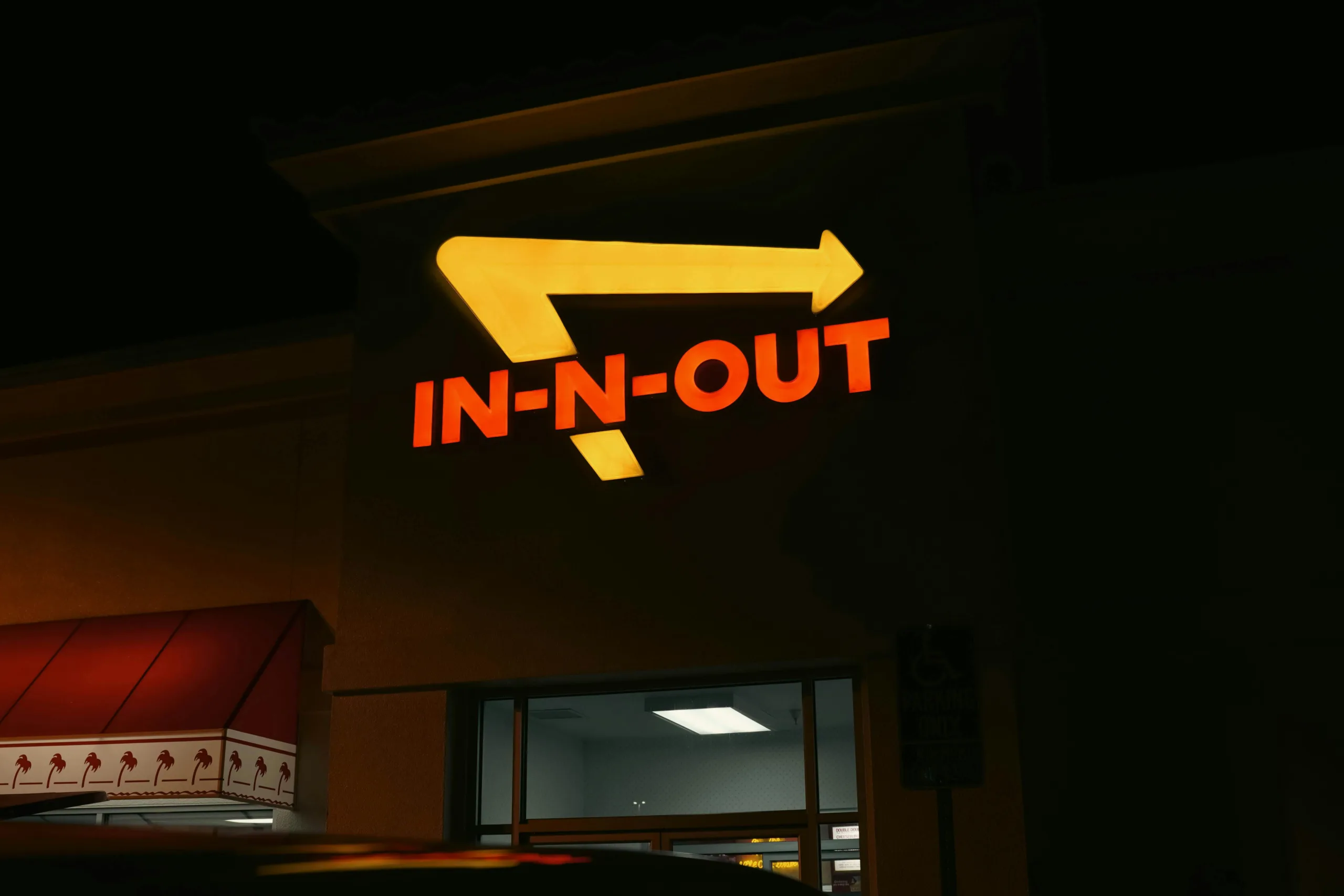
B+E’s data show a clear split between sector leaders and other QSR concepts. Blue-chip names, such as McDonald’s (now averaging below a 4% cap) and In-N-Out Burger (3.25% cap), attracted the strongest investor demand. Chick-fil-A, Raising Cane’s, and Chipotle Mexican Grill traded at mid- to high-4% cap rates, benefiting from long-term leases and robust growth stories.
In contrast, less established or operationally challenged brands like Hardee’s and Jack in the Box saw average cap rates climb above 6%, with shorter remaining lease terms and lower average pricing. Newer drive-thru focused chains also traded wide, reflecting ongoing scrutiny of both operator stability and concept strength.
Get Smarter about what matters in CRE
Stay ahead of trends in commercial real estate with CRE Daily – the free newsletter delivering everything you need to start your day in just 5-minutes
Inventory and Lease Term Strategies
Among top tenants, Starbucks led by listed assets but with fewer long-term leases available. Other chains, including Wendy’s, Taco Bell, and Dutch Bros Coffee, skewed their listed inventory toward longer average terms, narrowing cap rates for assets with over a decade left. These shifts echo a market favoring predictable income and strong operator backing, a dynamic that aligns with broader trends showing food tenants as a primary source of resilience and transaction velocity within the retail net lease landscape.
Meanwhile, select emerging and regional players offered higher yields for investors willing to underwrite concept or market risk beyond national brands. Portfolio adjustments were evident, including Jack in the Box’s recent divestitures and closures, influencing both cap rates and average lease durations.
Geographic Trends and Yield Opportunities
QSR inventory remains focused in growing Sun Belt states: Texas, Florida, and California comprise the largest supply concentrations, with average cap rates ranging from 4.56% in California to 5.47% in Texas. However, the Midwest and smaller markets—such as Ohio, Alabama, and Mississippi—maintain higher cap rates, suggesting opportunities for yield-focused buyers willing to look beyond the coasts.
The overall sector is thus marked by stability at the surface, with expanding segmentation by brand, term, rent PSF, and geography. With over 1,000 QSR assets on the market and sub-5% cap deals becoming more common, investors face a market where asset selection and lease structuring are primary drivers of returns rather than sector-wide cap rate movement.