





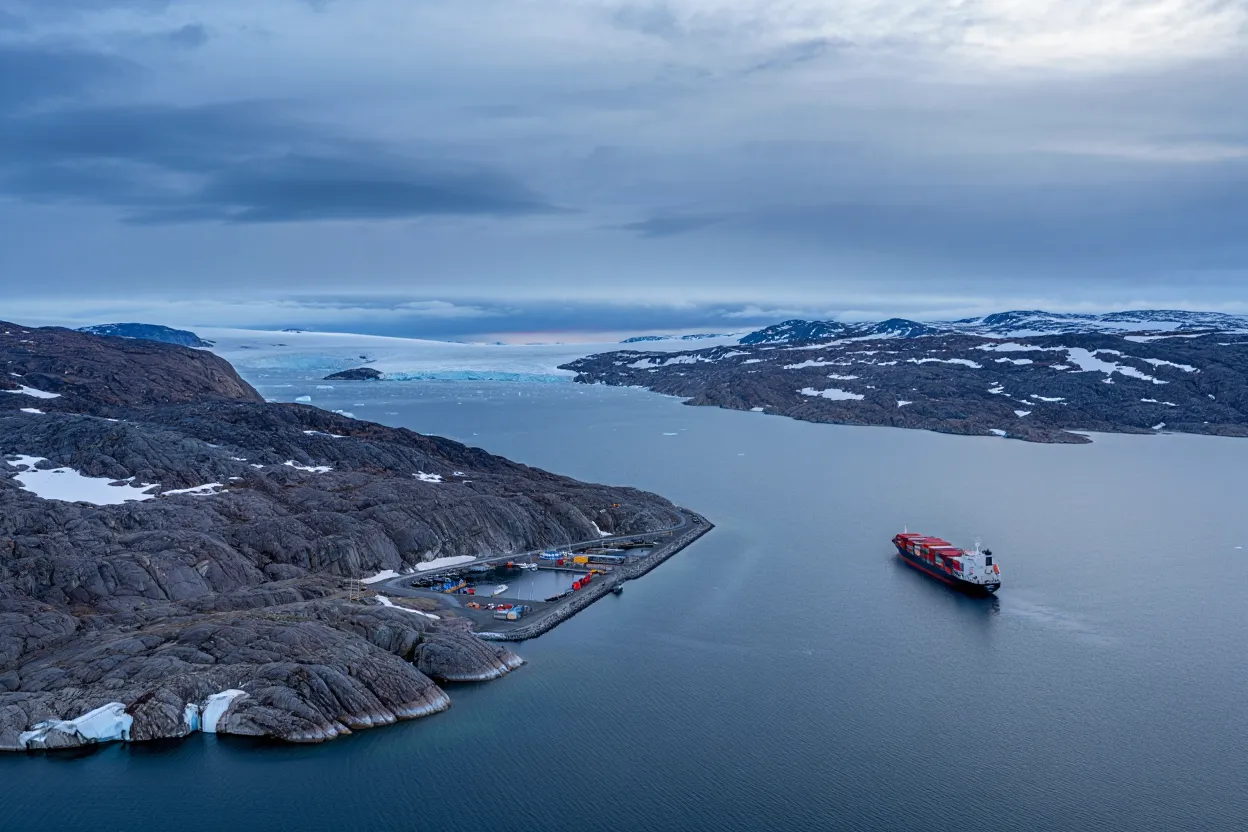
- Trump threatens 10% tariffs on eight European countries, rising to 25% by June 1.
- Tariffs will remain until a deal for US purchase of Greenland is reached.
- European leaders condemn the move, warning of weakened transatlantic ties.
US Leverages Greenland Tariffs for Geopolitical Goal
According to SupplychainDive, President Donald Trump announced plans to impose a 10% tariff on all goods from Denmark, Norway, Sweden, France, Germany, the UK, the Netherlands, and Finland starting February 1. The goal is to pressure Denmark into negotiating the sale of Greenland. If no deal is made, tariffs would rise to 25% on June 1.
This move follows a series of recent US tariff threats tied to broader geopolitical aims. No official documentation has been released yet to enact the tariffs on goods from these European countries, but the announcement has drawn swift reactions from European officials.
European Allies Push Back
Leaders throughout Europe have condemned the proposed Greenland tariffs. The European Commission and the UK government called the tariffs unjustified and warned that such actions would undermine transatlantic cooperation. European Commission President Ursula von der Leyen asserted that Europe will remain united in response.
UK Prime Minister Keir Starmer labeled the move as wrong, particularly given the nations’ shared commitments under NATO. European officials highlighted that tariffs could trigger a downward spiral for international trade relations.
Get Smarter about what matters in CRE
Stay ahead of trends in commercial real estate with CRE Daily – the free newsletter delivering everything you need to start your day in just 5-minutes
Tariffs Add Uncertainty to Existing Trade Pacts
The threatened Greenland tariffs create new uncertainty around recent US trade deals with Europe. Since early 2025, the US has imposed various sector-based and country-specific tariffs while also negotiating new agreements with both the EU and the UK. Details remain unclear on how the proposed Greenland tariffs would interact with pre-existing tariff frameworks or mutual trade pacts.
The situation introduces another layer of unpredictability for commercial real estate, supply chains, and transatlantic investment flows as businesses await clarity on policy implementation. Investor sentiment has already shifted toward European assets, especially in real estate. These trade tensions now complicate capital allocation decisions across the region.
What’s Next for Greenland Negotiations
Trump claims acquiring Greenland is essential for US national security and missile defense, referencing plans for a so-called “Golden Dome” system. European governments continue to reject both the idea of selling Greenland and the use of tariffs as leverage.
Until the US provides formal executive orders or federal register notices, industry analysts expect elevated uncertainty around cross-Atlantic trade, with many bracing for potential disruptions if the Greenland tariffs are enacted.