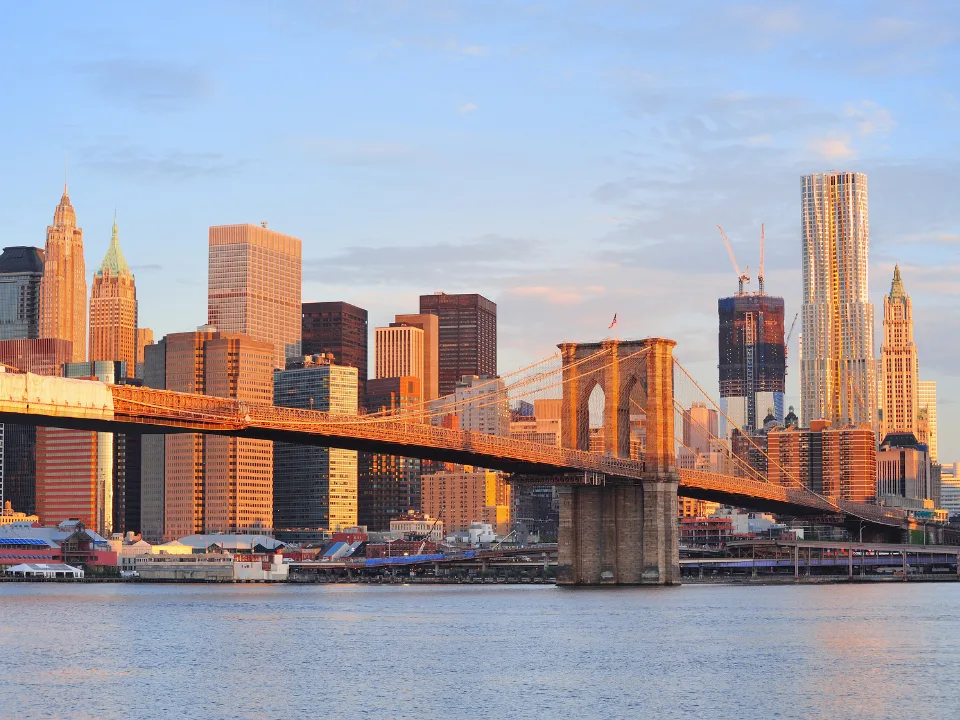







- Investment risk analysis highlights diverging rent and population trends across US metros in 2026.
- Infrastructure risk is increasing due to aging systems and urban growth, especially in water, energy, and transportation sectors.
- Revised environmental risk methodology reveals shifting vulnerabilities and exposure to natural disasters in key cities.
- Political and fiscal conditions remain uneven, affecting tax burden, safety, and affordability policy outcomes.
US Metros See Divergent Growth Patterns
Yardi Matrix’s 2026 Investment Risk Analysis underscores continuing population growth in Sun Belt and Mountain West metros, while gateway cities see the slowest increases. Notably, projected rent growth diverges: supply-constrained markets like San Francisco, Boston, and Los Angeles are set to lead rent gains, while high-supply areas such as Dallas and Austin anticipate softer growth. Employment growth has moderated, though five-year job forecasts suggest most metros will outpace national trends. Secondary markets are increasingly favored due to expanded analysis of workforce composition and education infrastructure.
Infrastructure Risks Intensify
Infrastructure risk worsened across multiple cities. Chicago grapples with lead contamination and underfunded water systems. Boston and Columbus face energy system strains from rising costs and outdated grids, while Dallas and Washington, D.C., struggle with transportation congestion and funding gaps. These challenges highlight the urgent need for modernized infrastructure in growing urban centers.
Get Smarter about what matters in CRE
Stay ahead of trends in commercial real estate with CRE Daily – the free newsletter delivering everything you need to start your day in just 5-minutes
Political and Policy Headwinds Remain
Metros continue to experience uneven recovery in crime rates, fiscal health, and affordability policy. While crime has dipped nationwide, public safety remains a concern for cities like Albuquerque, Chicago, and Portland. Tax burden and pension liabilities weigh on Chicago and Huntsville, contrasting with favorable conditions in Nashville and Salt Lake City. Zoning reforms in Austin and Las Vegas are easing development barriers, supporting increased housing supply.
Environmental Vulnerabilities Shift With New Data
Updated risk analysis based on FEMA indices reveals shifting exposure to natural disasters. Salt Lake City, Seattle, Portland, and San Francisco show elevated risk, while pollution concerns grow in Colorado Springs and Miami. In Nashville, limited disaster mitigation and minimal incentives for green investment elevate long-term environmental risk. These findings coincide with emerging data that indicates sustainable, low-emission communities are beginning to deliver stronger CRE returns, reinforcing the value of long-term climate resilience in real estate investment strategies. Cities are called to address these evolving vulnerabilities through more robust planning.