





- Texas attached homes saw prices fall 4% year-over-year, outpacing declines in detached homes.
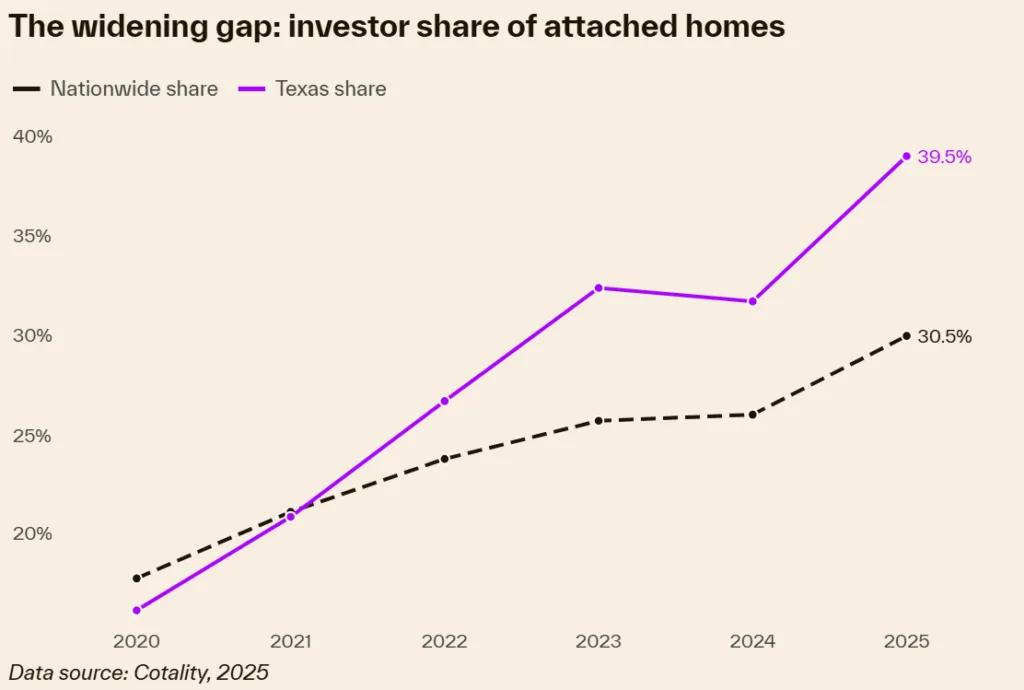
- Investors bought 39.5% of attached homes in Texas in 2025, much higher than the national 30.5% average.
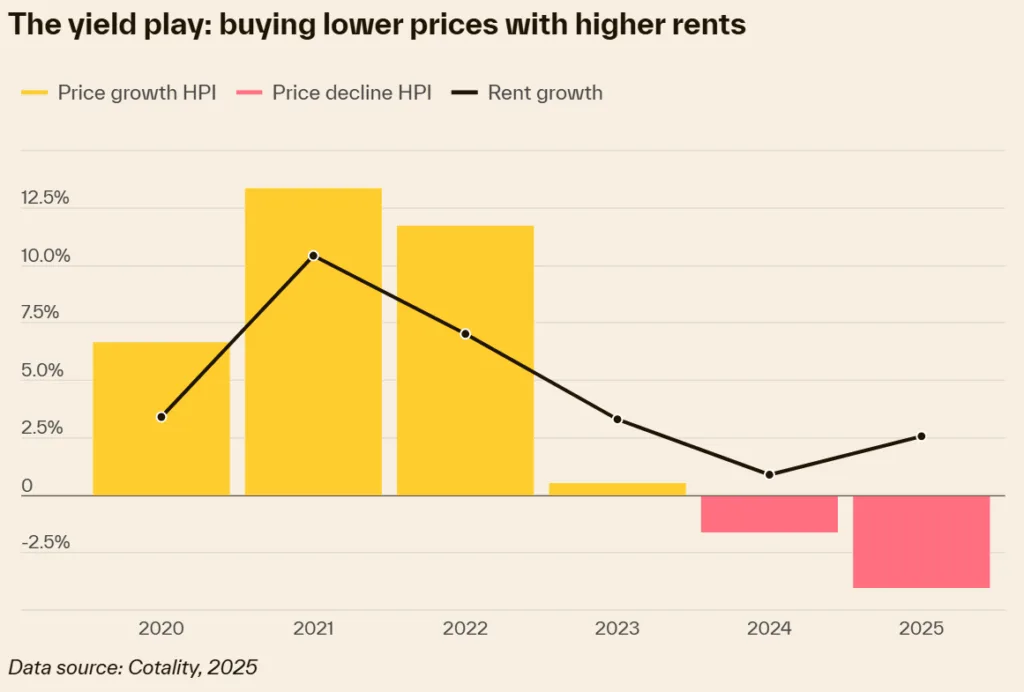
- Rents for Texas attached homes rose 2.56% while prices dropped, creating attractive yield opportunities.
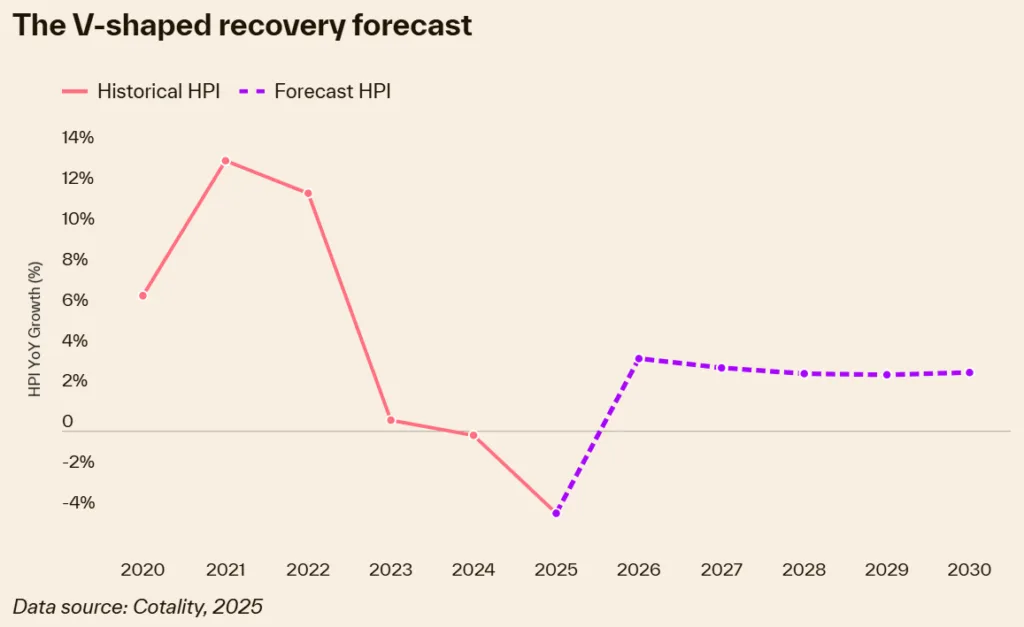
- Cotality forecasts a V-shaped recovery, with attached home prices set to rebound and grow 3.2% annually through 2030.
Texas Market Split Drives Investor Focus
The Texas housing market diverged from national trends in 2025, with attached homes—such as condos and townhouses—experiencing sharper price corrections than detached properties. While detached homes cooled modestly, attached units saw values drop 4.03% year-over-year, according to Cotality. This drop, after years of outperformance, has shifted investor attention: 39.5% of Texas attached homes sold in 2025 went to investors, versus just 31.8% for detached homes, signaling a clear change in buying patterns.
Yield Play Accelerates Investor Activity
The rapid decline in Texas attached home values, paired with robust rent growth, has opened an immediate window for yield-focused investors. While attached home prices dropped 4.03% statewide, rents grew 2.56% during the same period. That outpaced the national rent growth rate of 1.58%. This rare combination allows investors to buy at 2022 prices and lease at 2025 rates. Yields have jumped above recent averages. Investor momentum is especially strong in DFW and Houston, where mid-density housing and rental demand are rising in tandem.
Forecasts Point to Recovery
Cotality’s forecast anticipates a V-shaped recovery for Texas attached home prices, with a pivot to positive growth expected in 2026. Annual growth is projected to stabilize at 3.2% through 2030. Investors who buy during this current correction could benefit from both high short-term yields and longer-term capital gains as the market rebounds.
Texas as a Bellwether Market
This investor shift in Texas attached homes could serve as a signal for other US markets experiencing affordability pressures and rising rental demand. Markets like Florida, Arizona, and the Carolinas may see similar investor reallocation if attached unit prices soften and rent growth sustains, especially where new supply is meeting demand and institutional capital is present. For now, Texas attached homes remain at the center of investor momentum as the price-to-rent gap widens.
Get Smarter about what matters in CRE
Stay ahead of trends in commercial real estate with CRE Daily – the free newsletter delivering everything you need to start your day in just 5-minutes