



- Mall foot traffic rose 22.6% month-over-month in December, outpacing downtown.
- Downtown retail traffic dropped 0.2% from November, ending 5% below 2024 levels.
- Convenience and last-minute shopping fueled mall visits, especially Christmas week.
- Economic factors and buy-now, pay-later use affected spending patterns.
Malls Reap Late-Season Holiday Surge
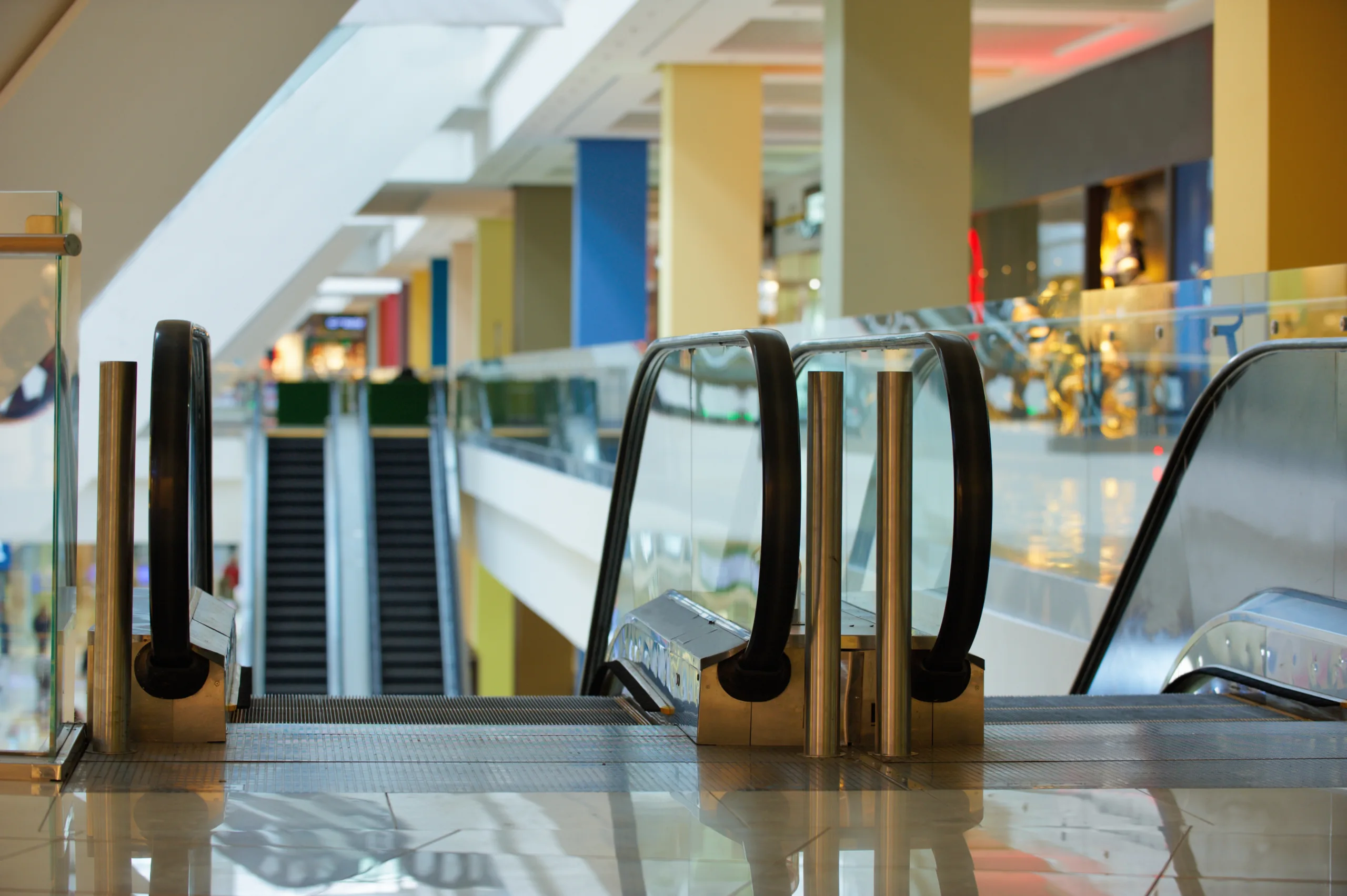
Mall retail saw significant traffic gains during December, according to MRI Software, driven by consumers seeking value and one-stop convenience. Weekly foot traffic at malls jumped 13.3% before Christmas and 10.3% during Christmas week, as shoppers responded to last-minute holiday needs. Globe St reports that Christmas Eve proved especially strong for mall visits, underscoring malls’ continued relevance.
Downtowns See Soft Holiday Season
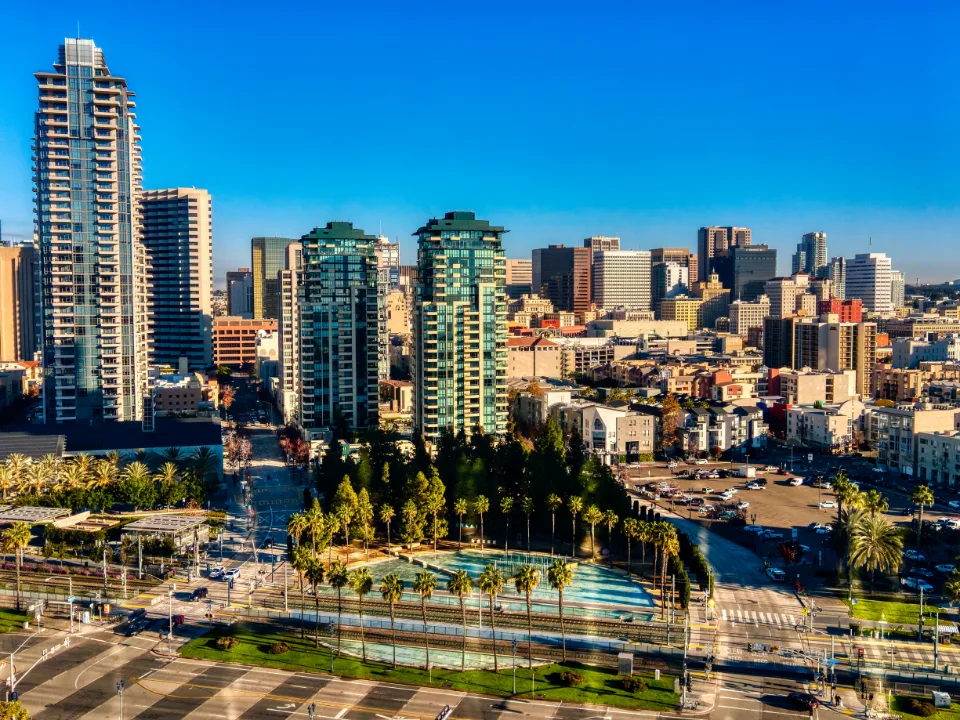
Downtown retail lagged behind. Traffic dipped 0.2% from November and landed 5% below last year’s levels by month’s end. Subdued tourism, cautious discretionary spending, and adverse weather contributed to the shortfall, with evening activity falling nearly 6% year-over-year in late December. This continues a pattern seen in recent months, where consumer caution and economic uncertainty have weighed on foot traffic trends, especially outside key holiday periods.
Get Smarter about what matters in CRE
Stay ahead of trends in commercial real estate with CRE Daily – the free newsletter delivering everything you need to start your day in just 5-minutes
Convenience and Value Drive Consumer Choices
Shifts in retail traffic point to consumers prioritizing efficiency and certainty amid financial pressures. Mall retail attracted budget- and time-conscious shoppers, while downtown areas continued to face headwinds. Use of buy-now, pay-later options increased as customers managed spending. The Fed’s December rate cut may also have improved sentiment and activity.
Looking Ahead
After the holidays, mall traffic dropped 13.4% but stayed above 2024 figures, highlighting demand for post-Christmas sales. Downtown traffic declined further, impacted by severe weather. For landlords and investors, the data reinforces malls’ resilience as retail hubs where convenience and value dominate consumer behavior.