






- Migration trends show Americans are favoring smaller markets and more affordable states like Oregon over large urban centers.
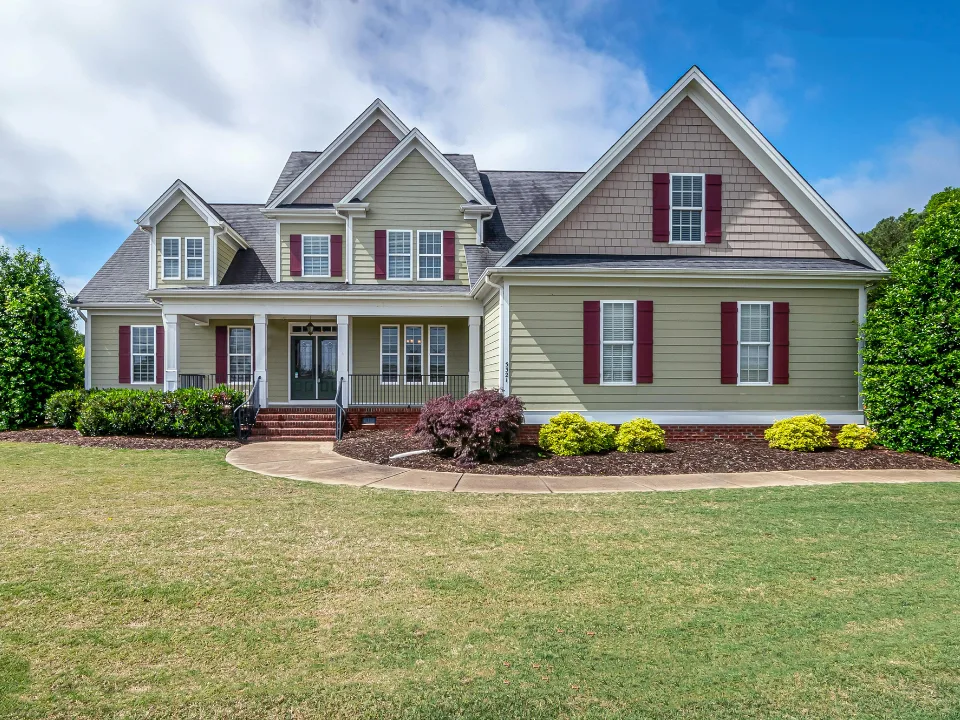
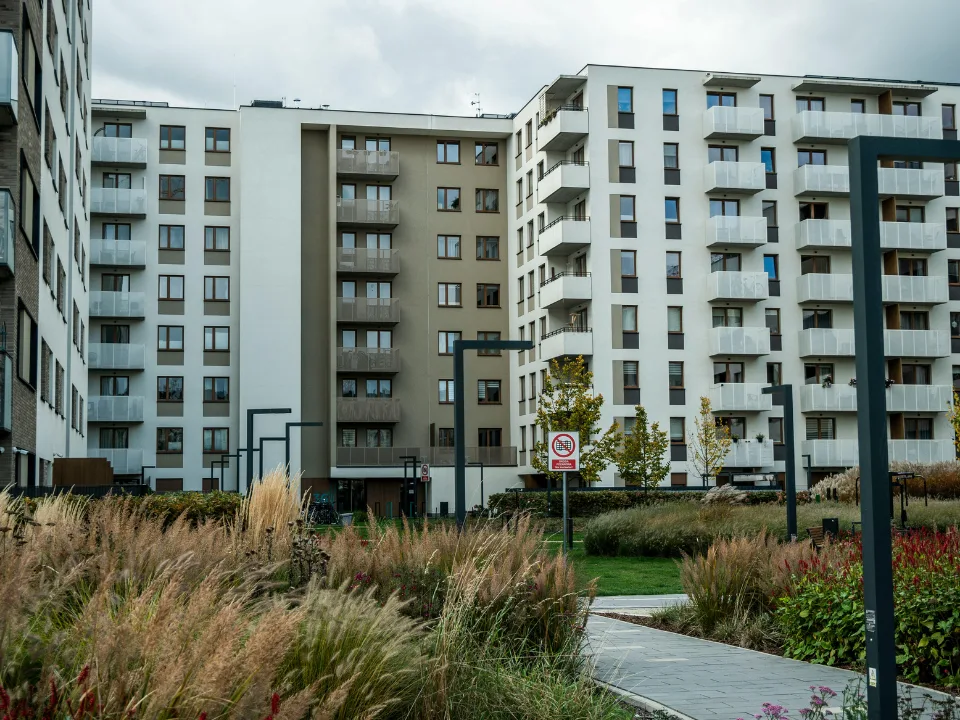
- Commercial real estate demand is shifting toward more affordable housing, modest office parks, and lower-income retail in these markets.
- Multifamily and retail investors are adapting to volatile migration patterns and a slowdown in long-term population growth rates.
- Sunbelt markets are seeing balanced or reduced migration, challenging assumptions of continued rapid expansion.
Why Migration Patterns Matter
Americans are moving for affordability and quality of life rather than pure economic opportunity, says CNBC. According to United Van Lines’ annual migration report, Oregon became the top destination for 2025, overtaking the Sunbelt states that previously led migration waves. Southern and South Atlantic states like the Carolinas, Alabama, and Delaware also continue to attract movers, but at a slower rate than during peak pandemic years.
Commercial Real Estate Adjusts
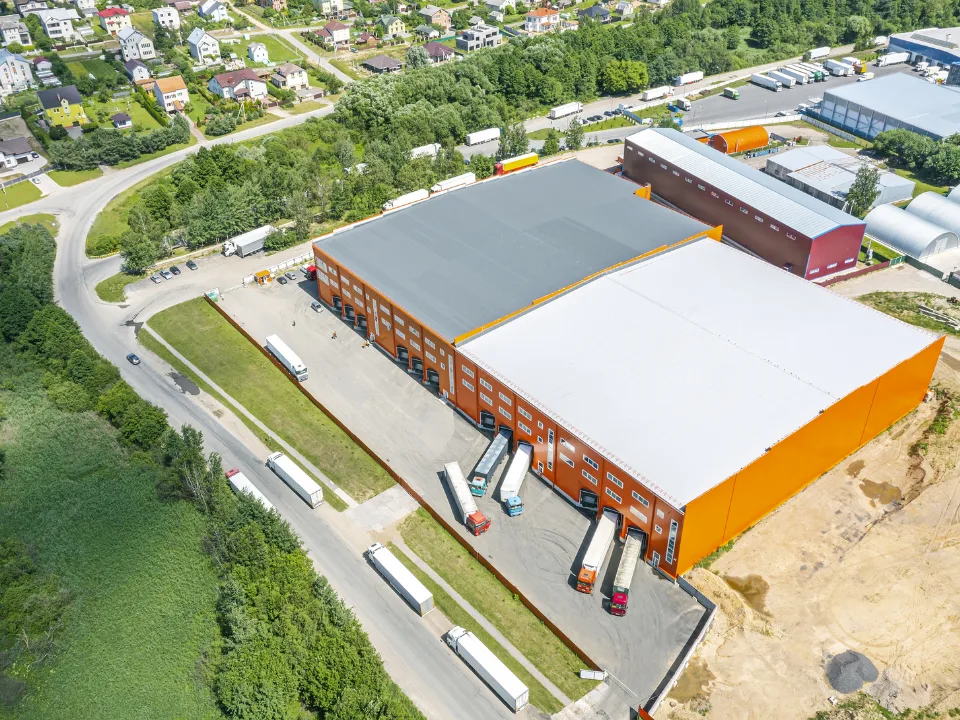
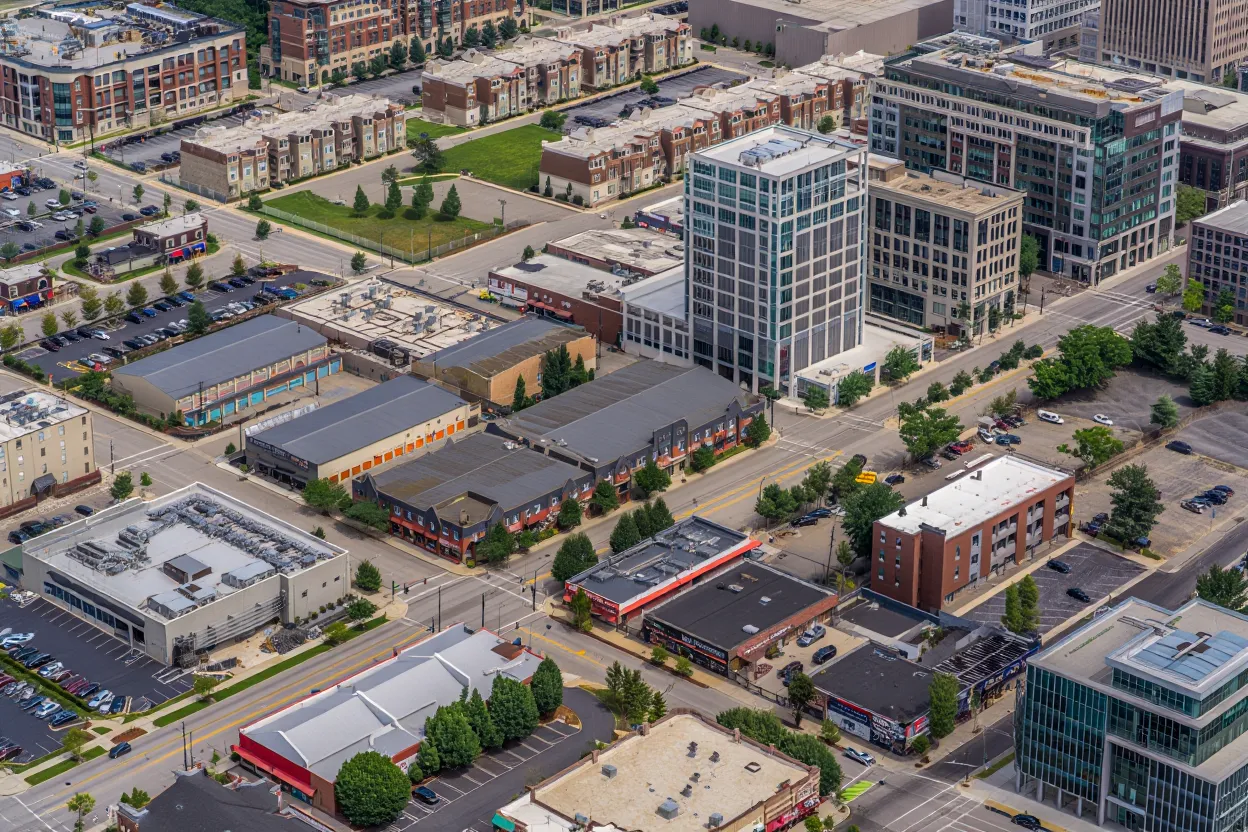
These migration trends are forcing commercial real estate investors and developers to recalibrate strategies. Demand has shifted toward smaller-scale, cost-effective housing, modest office parks, and value-focused retail properties. Recent shifts in southern metros also suggest that high-growth markets like Atlanta are no longer guaranteed bets, prompting a more localized, needs-based investment approach. Industrial assets like self-storage are also becoming more relevant as demographics evolve.
Get Smarter about what matters in CRE
Stay ahead of trends in commercial real estate with CRE Daily – the free newsletter delivering everything you need to start your day in just 5-minutes
Patterns Growing More Complex
Experts note migration patterns are more volatile, and previous assumptions about perpetual growth in certain regions are fading. Oversupply in multifamily and new retail space is pushing rents down. Some new residents are also leaving high-growth states as conditions shift. The US Census Bureau reports a slowdown in household formation and migration. This makes strategic, market-specific investment more critical than ever.
What’s Next for CRE
Retail development is expected to focus on discount-oriented concepts rather than speculative high-end projects. As younger Americans target affordable Midwestern markets and retirees moderate Southern migration, investors and developers must track shifting demographics and adjust offerings accordingly. Migration trends will remain a critical consideration for site selection and asset type in US commercial real estate.