







- Wealthy renters are spending large sums—sometimes millions—to customize high-end rentals. Landlords are increasingly supportive if changes add value.
- Investor-landlords are more open to upgrades than owners who plan to live in the property again.
- Lease riders and written agreements are key to protecting both tenants and landlords during renovations.
Personalizing with Purpose
Luxury renters are going beyond basic décor, per The WSJ. They’re adding built-ins, painting walls, and upgrading lighting. These tenants want rentals that match their lifestyle, even if it’s a short-term stay. As a result, landlords are often approving changes that make the home more appealing and increase its long-term value.
Million-Dollar Makeovers
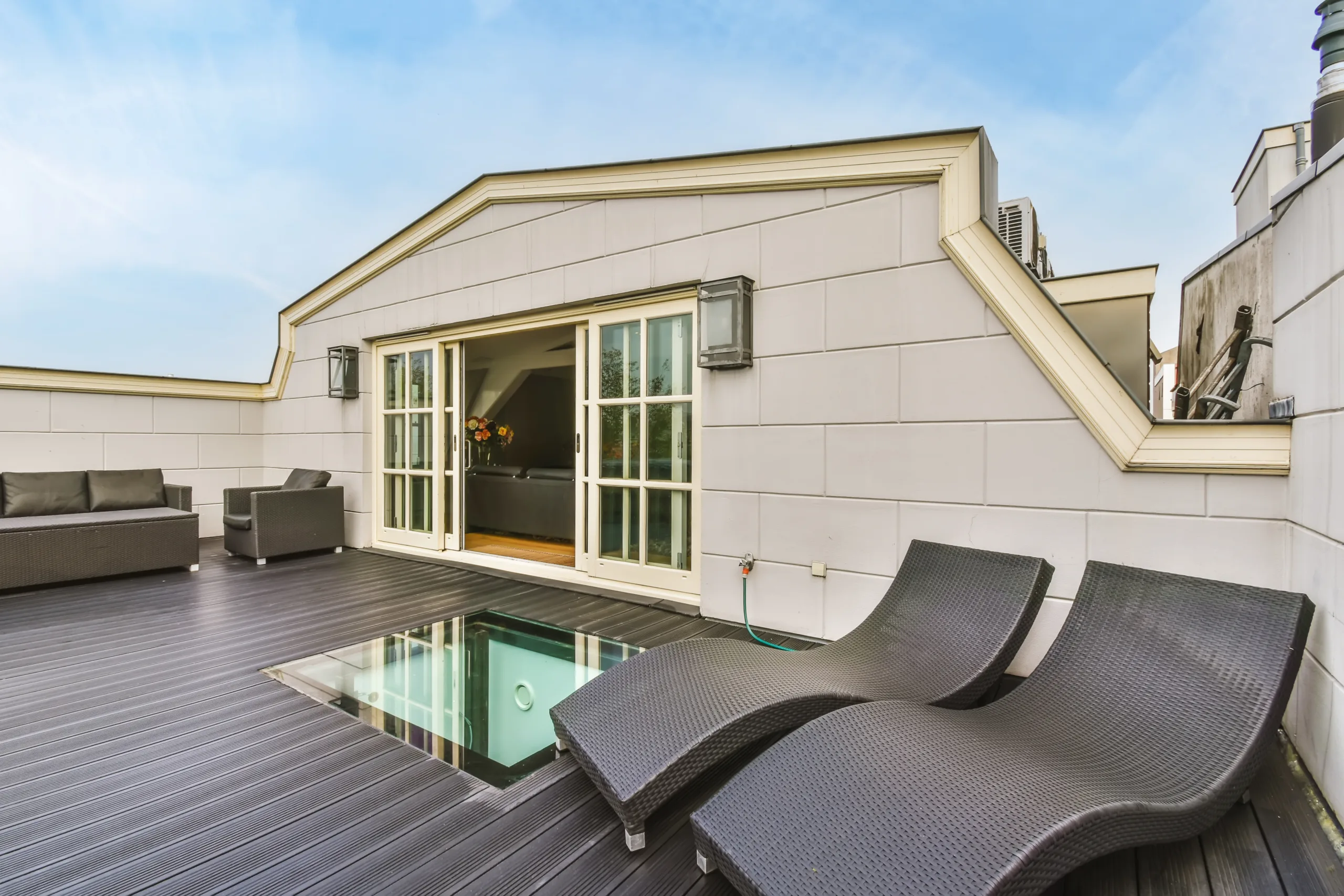
Some tenants go all-in. For example, renters in a $14.8M condo in New York pay $50,000 per month. They’ve made $2M worth of changes, including new French doors, wallpaper, and custom closets. The owners allowed it because the upgrades improved the home’s value. Also, letting tenants personalize the space encouraged them to stay longer. That saves landlords turnover costs, which can run up to two months of lost rent.
Investor vs. Owner Mindsets
The landlord’s goals make a difference. Investors tend to approve upgrades if they enhance the property. However, owners who plan to return are often more cautious. They may not want permanent changes or emotional detachment from the original design. Meanwhile, across several cities, evolving tenant protections and landlord regulations are prompting more owners to rethink how flexible they can be with tenants—especially when long-term retention is on the line.
Get Smarter about what matters in CRE
Stay ahead of trends in commercial real estate with CRE Daily – the free newsletter delivering everything you need to start your day in just 5-minutes
Put It in Writing
While many leases ban changes without approval, exceptions can be made. In those cases, landlords and tenants use lease riders. These documents spell out what changes are allowed, and whether the tenant must return the unit to its original state. For instance, a tenant in Manhattan’s Hudson Square was allowed to repaint, swap lighting, and remove a closet door. But the lease rider required them to store the original fixtures and restore the space before moving out.
Temporary Touches, Permanent Impact
When landlords prefer not to allow permanent changes, temporary upgrades can work well. Design experts suggest things like peel-and-stick wallpaper or updated cabinet hardware. These options are renter-friendly and easy to reverse. They also let tenants personalize the space without damaging it. According to designers, tenants who feel at home take better care of the property and are more likely to renew.
Why It Matters
This trend highlights a shift in luxury rentals. Tenants expect more freedom to shape their space. In turn, landlords see value in flexibility. Customized rentals can lead to higher satisfaction, longer leases, and a more valuable property.
What’s Next
As the luxury rental market grows, more tenants will seek personalized spaces. At the same time, more landlords may say yes—if the upgrades are smart, safe, and backed by strong agreements.