







- Scholastic has sold its SoHo headquarters at 555-557 Broadway to Empire State Realty Trust for $386M in a sale-leaseback transaction, as the publisher looks to unlock capital amid declining sales.
- The company also announced the $95M sale of its Jefferson City, Missouri distribution facilities to Fortress Investment Group, securing long-term leasebacks for both deals.
- Proceeds will be used to reduce debt, fund share buybacks, and improve balance sheet efficiency, with Scholastic aiming to streamline operations and boost shareholder value.
A Strategic Pivot
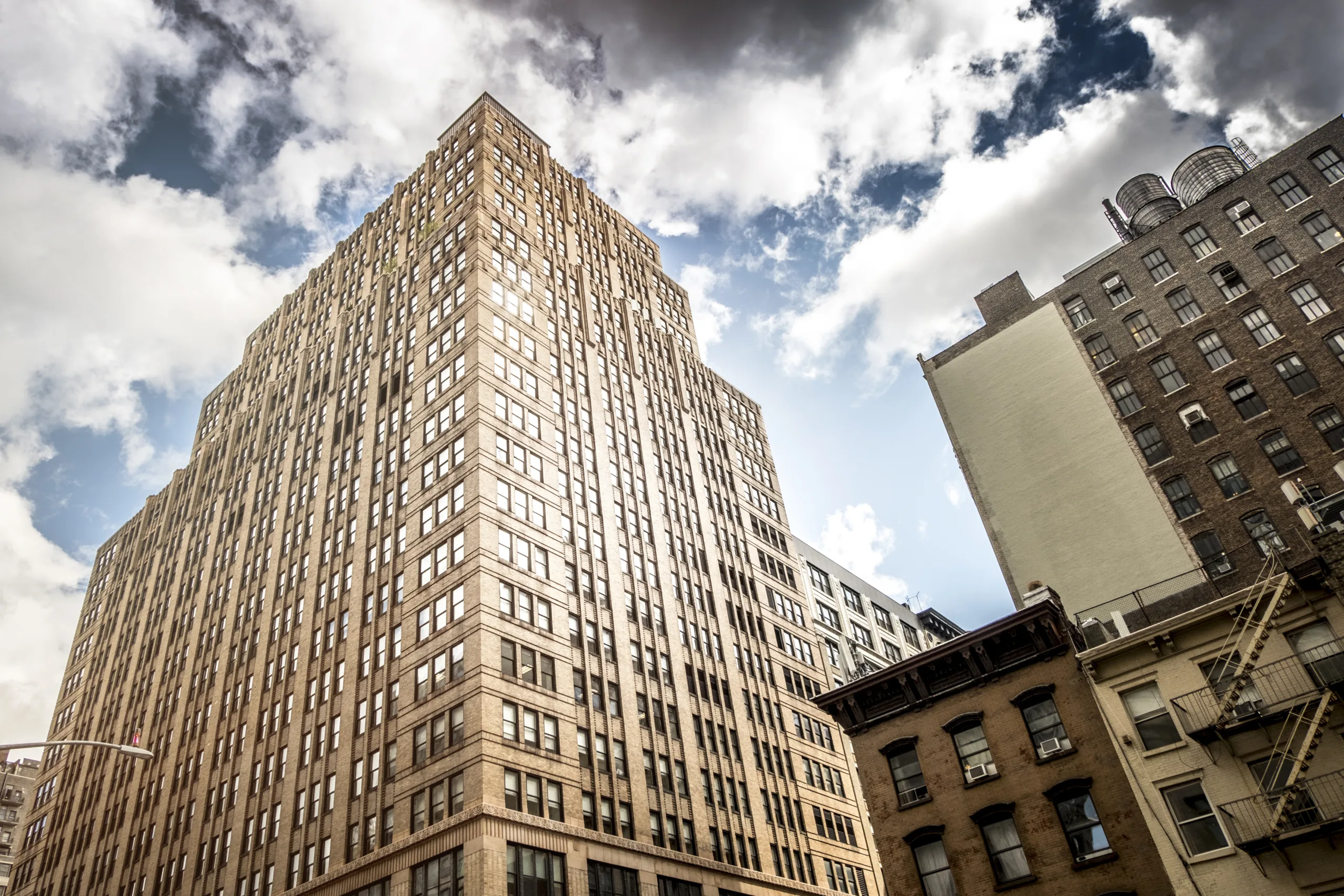
In a bid to monetize non-core assets, Scholastic is downsizing its real estate footprint, reports CoStar. The New York-based publisher of Harry Potter, Hunger Games, and Clifford the Big Red Dog has sold its longtime headquarters in SoHo to Empire State Realty Trust, parent of the Empire State Building.
The $386M sale, confirmed Tuesday, is structured as a sale-leaseback. It allows Scholastic to remain in the building under a 15-year lease, with two 10-year extension options. The deal also shifts responsibility for upkeep and capital expenses away from Scholastic.
Unloading Missouri Assets
The company is also selling three warehouse properties in Jefferson City, Missouri, to Fortress Investment Group for $95M. Scholastic will lease back the distribution centers under a 20-year triple-net lease with optional 10-year extensions.
Get Smarter about what matters in CRE
Stay ahead of trends in commercial real estate with CRE Daily – the free newsletter delivering everything you need to start your day in just 5-minutes
Behind The Deal
The building at 555-557 Broadway spans 396K SF, including 368K SF of office and 28K SF of prime retail space. With Scholastic now leasing 222K SF, Empire State Realty Trust plans to market over 110K SF of office space across three floors.
Newmark advised Scholastic on both transactions, with Adam Spies, Josh King, and Avery Silverstein brokering the NYC deal.
Why It Matters
The move comes as Scholastic faces mounting pressure from weaker sales. Its school curriculum division saw a 28% year-over-year decline. Entertainment-related revenue also dropped, driven by delays in Hollywood film and television production.
By converting owned real estate into liquidity, Scholastic is avoiding new debt while maintaining operational continuity—a common tactic for owner-occupiers looking to weather financial slowdowns without relocation disruption.
What’s Next
The capital from the transactions is earmarked for debt reduction and share repurchases. Scholastic is aiming for a leaner balance sheet. The company hopes this will support long-term growth and resilience in a challenging publishing landscape.
Expect more publishers and legacy media firms to explore sale-leasebacks as they seek capital efficiency in an increasingly digital and uncertain environment.