







- OpenAI faces a $207B funding gap by 2030 to cover data center costs, according to HSBC.
- Over $1.8T in cloud and infrastructure commitments have been made, including deals with Microsoft, Amazon, Oracle, Nvidia, and AMD.
- Projected data center rent will hit $792B by 2030 and could grow to $1.4T by 2033.
Massive Infrastructure Plans, Massive Costs
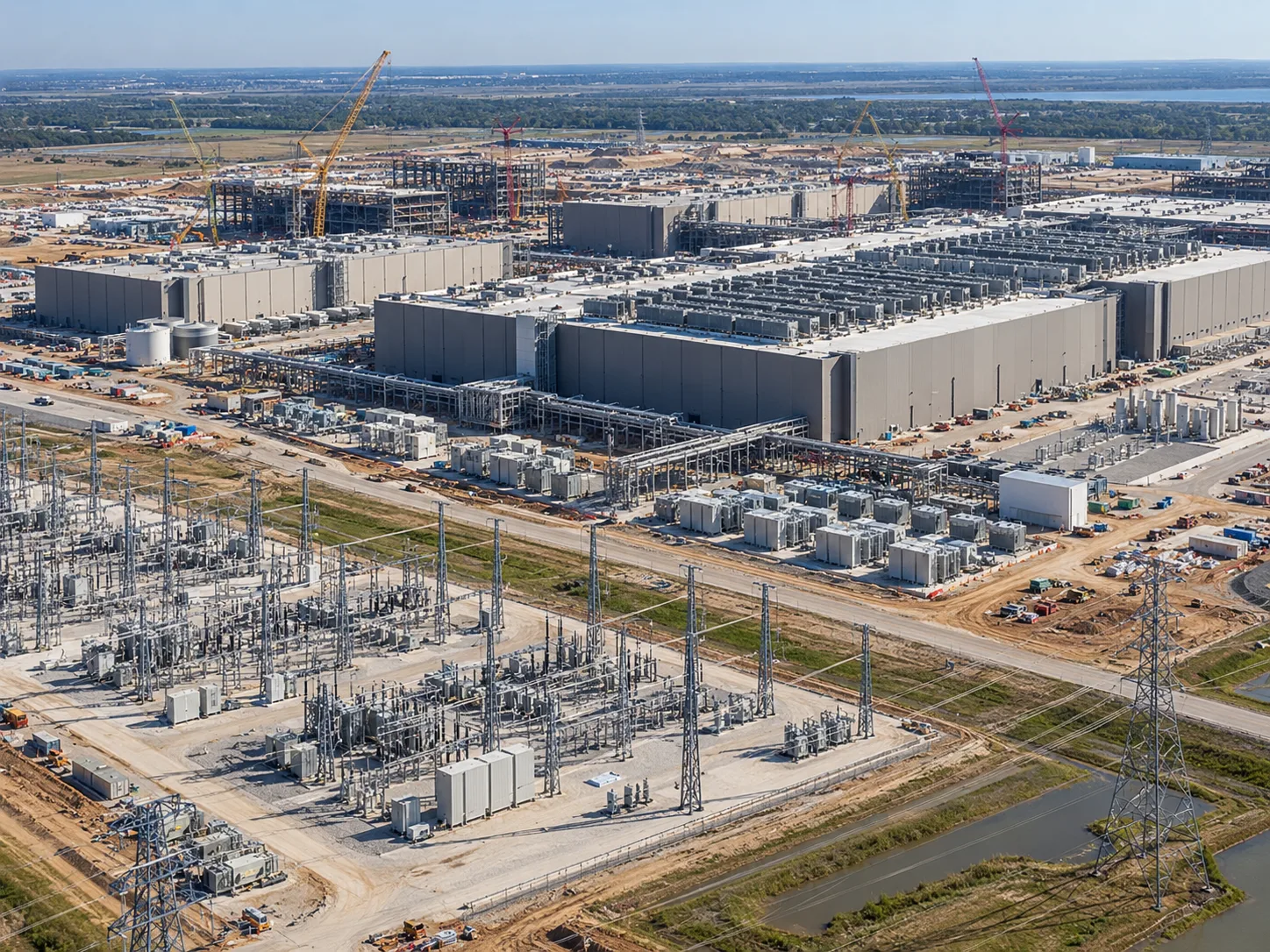
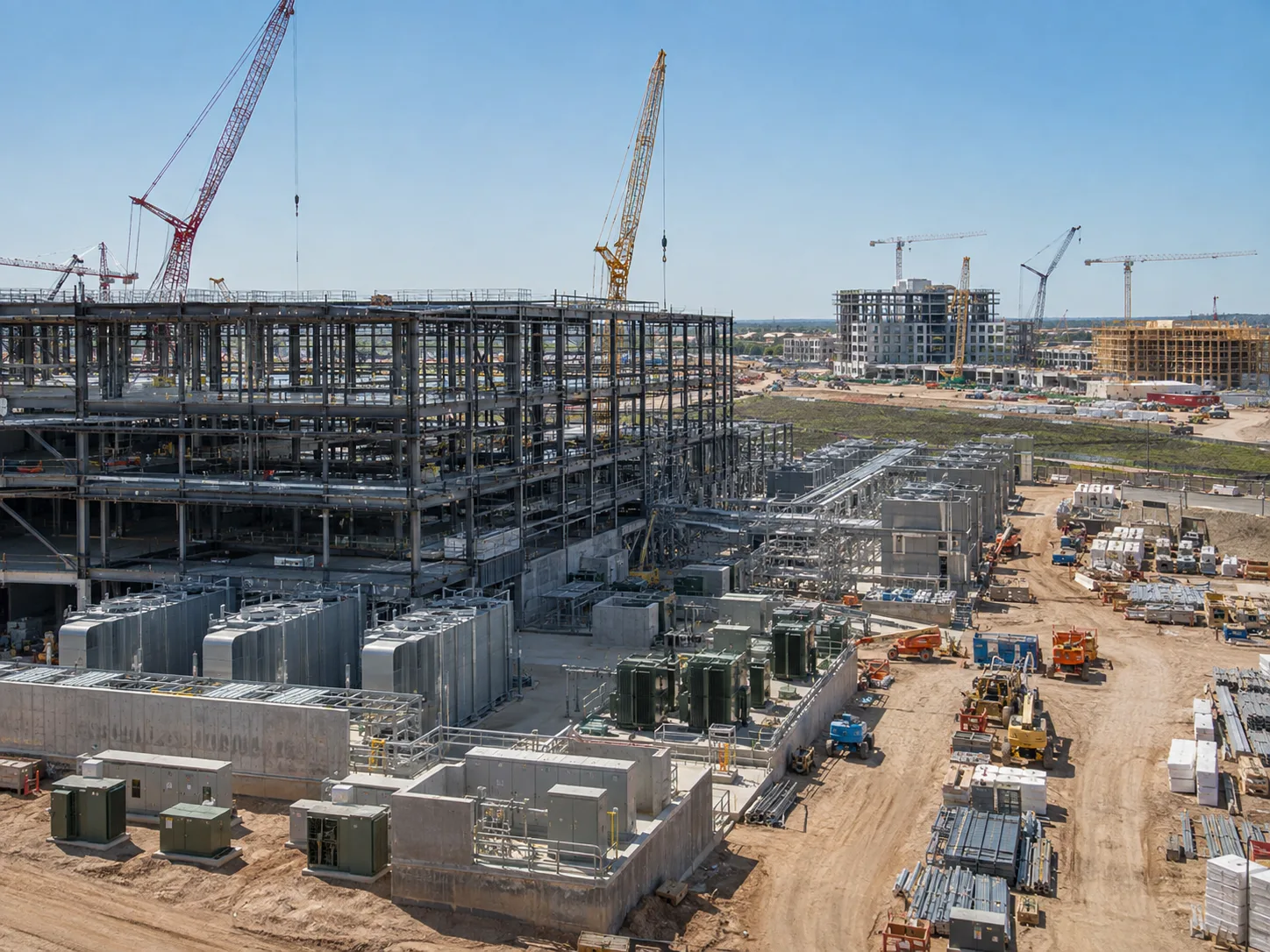
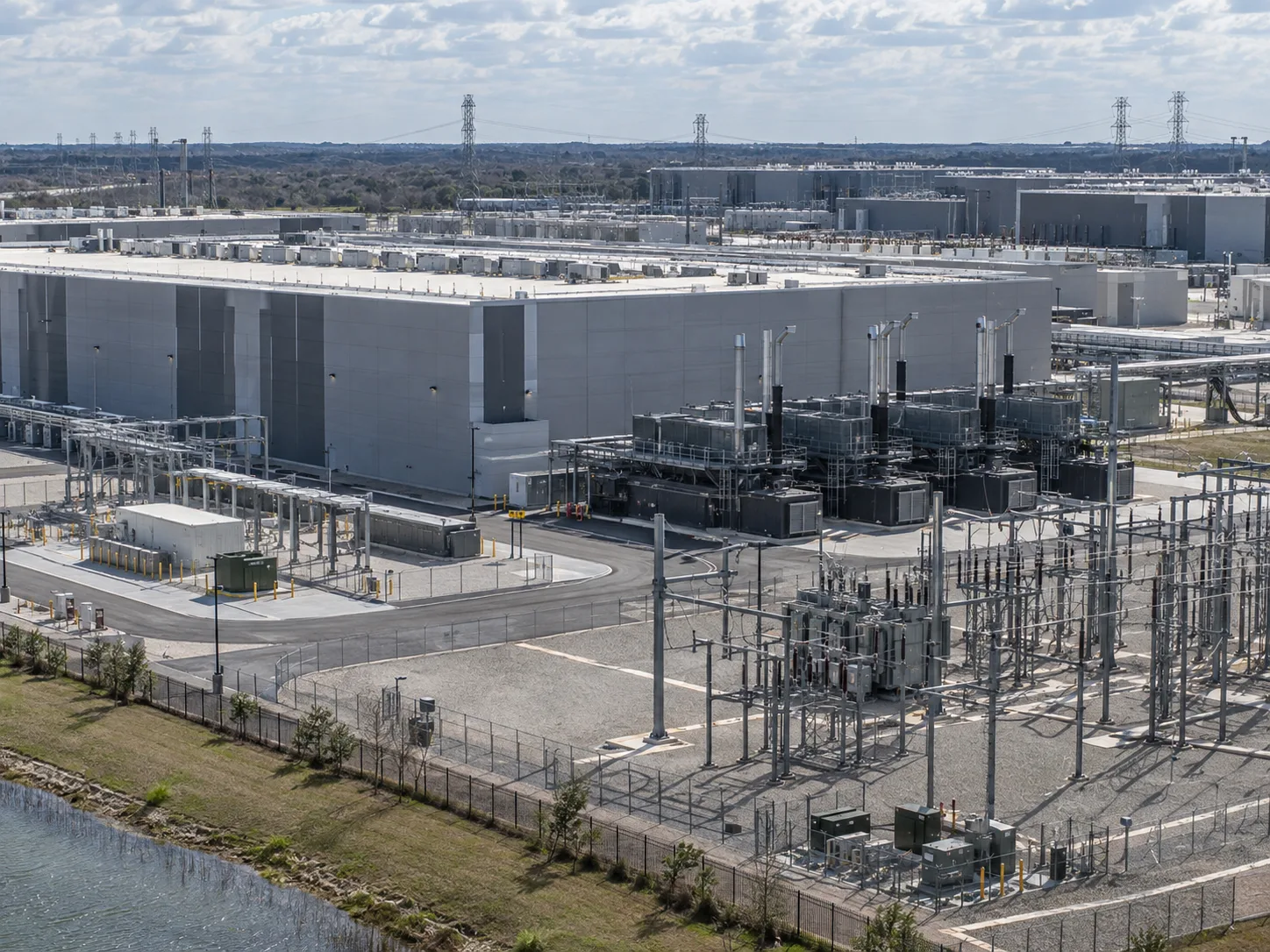
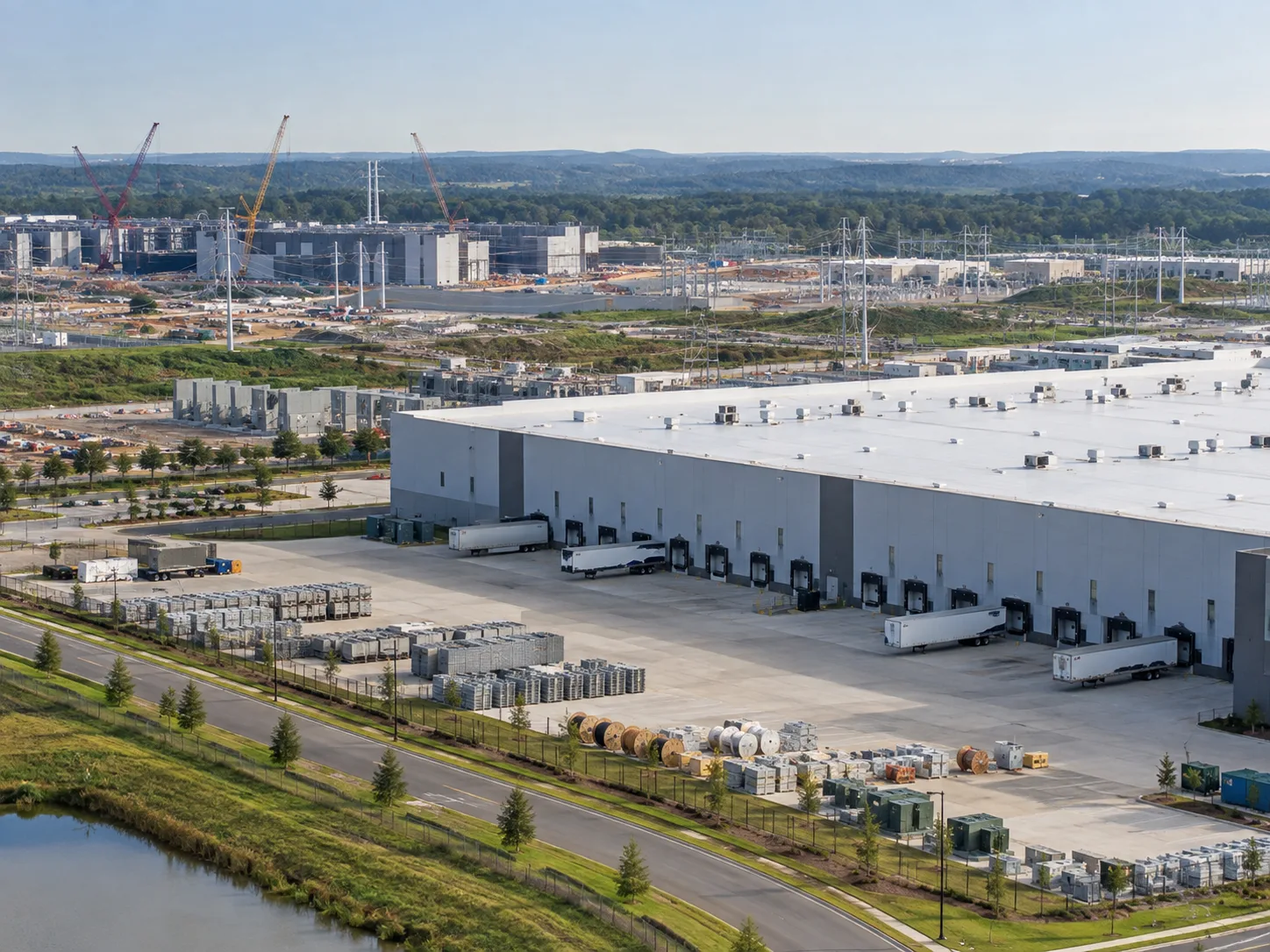
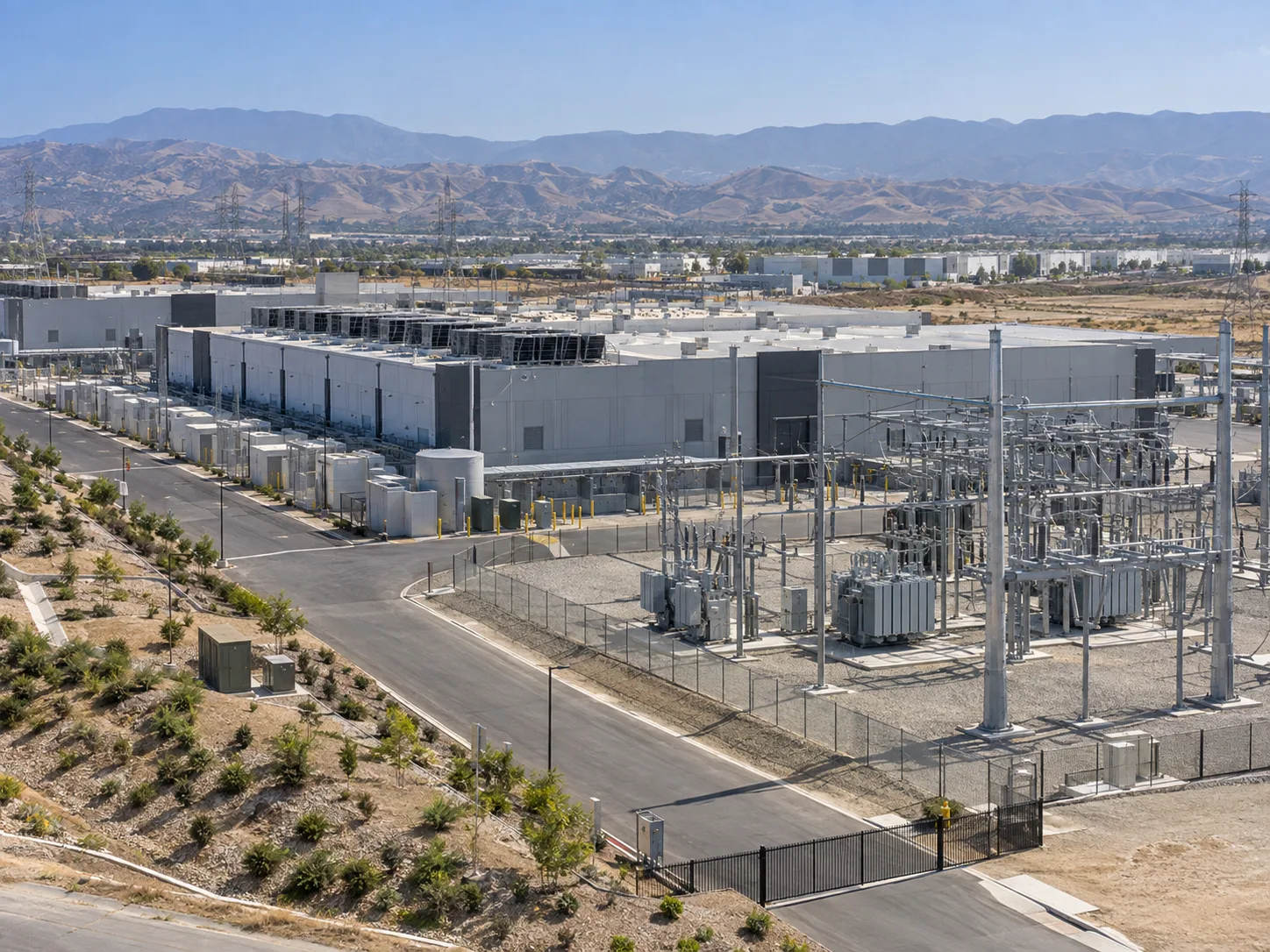
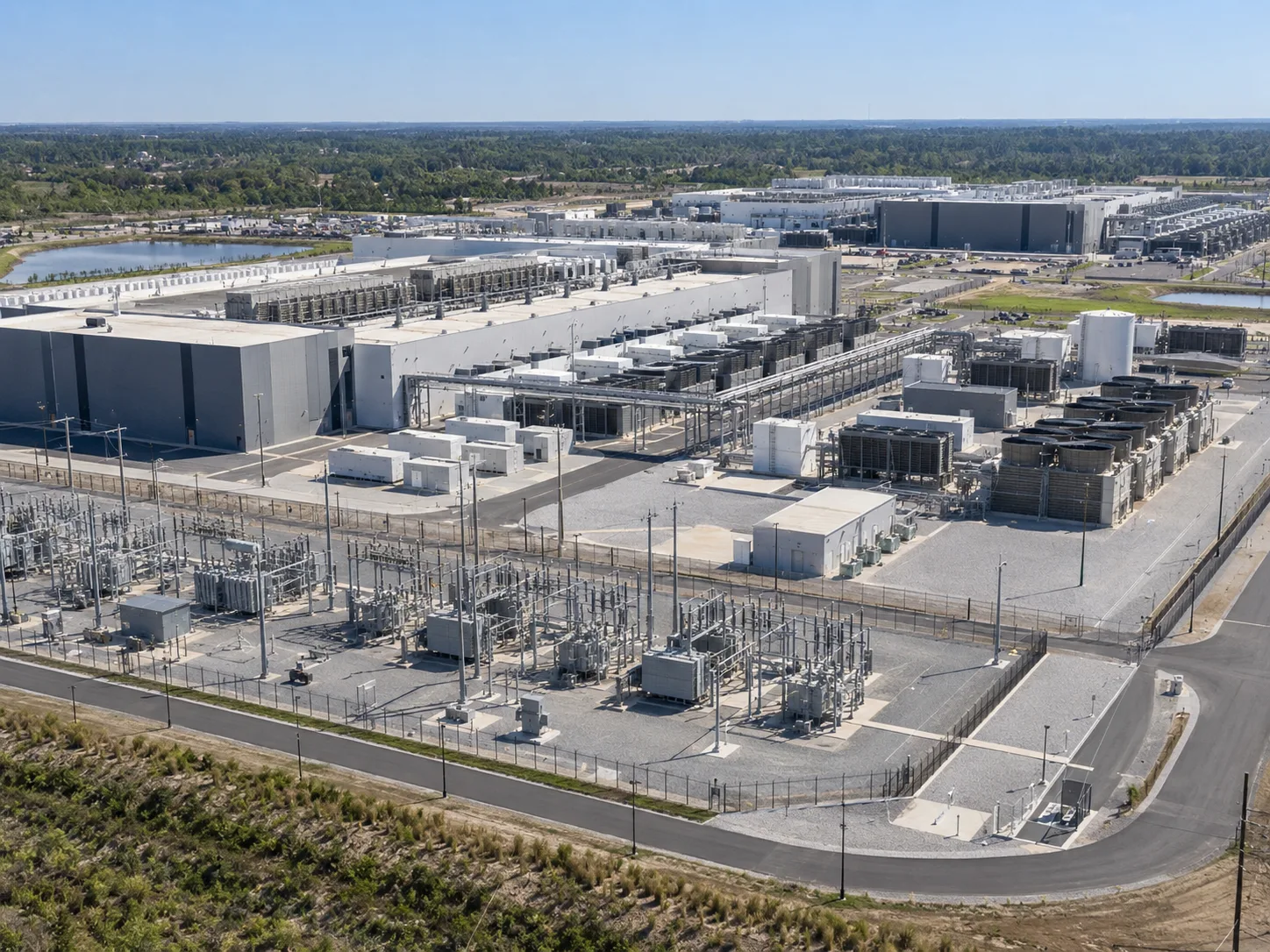
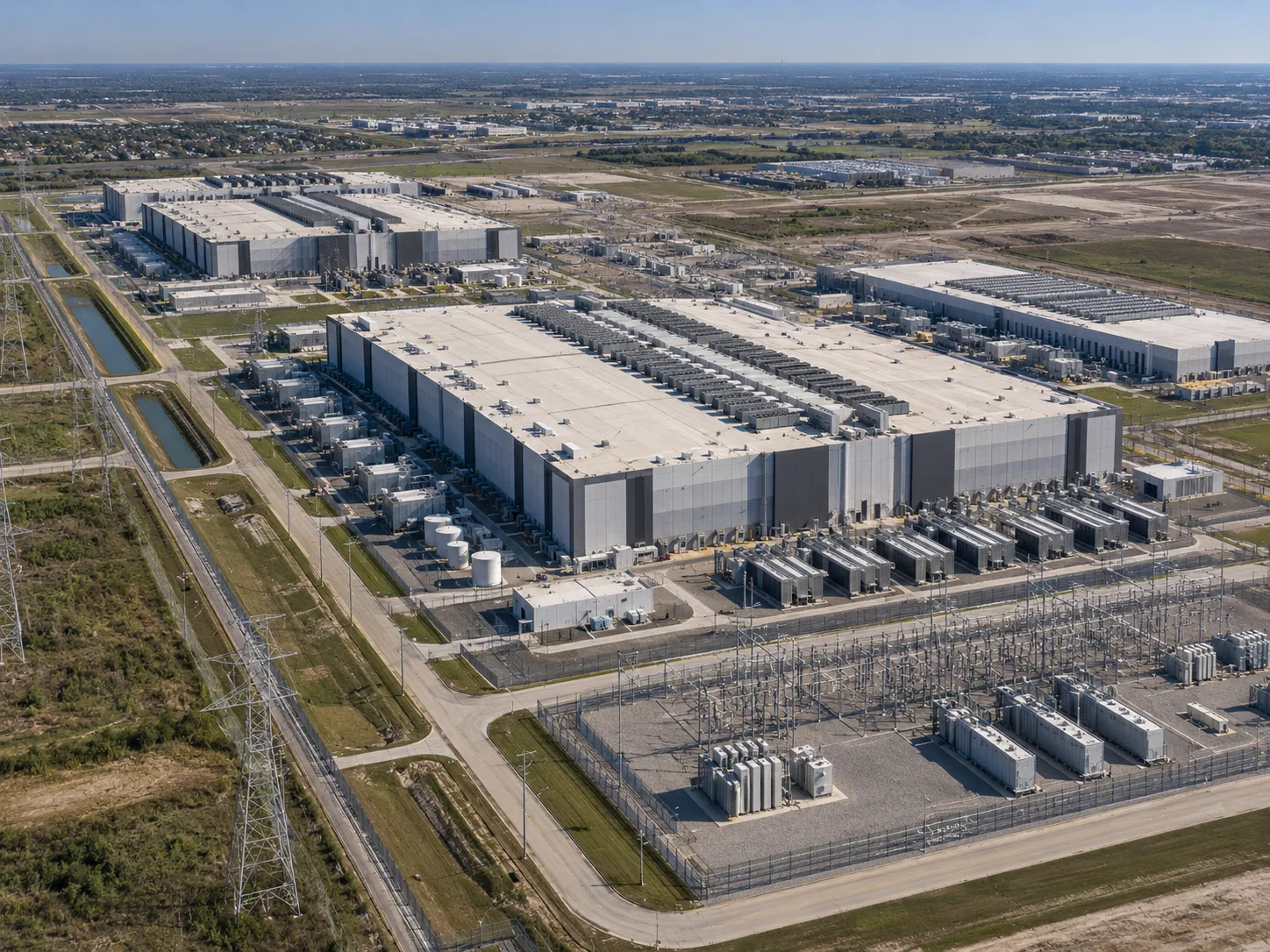
OpenAI is planning one of the most ambitious infrastructure expansions in tech history, reports Bisnow. However, a new report suggests it may not have the money to see it through. HSBC analysts estimate OpenAI will need an additional $207B by 2030 to meet its data center and cloud obligations. This comes despite significant expected revenue growth.
Major Cloud And Chip Deals Already Signed
According to HSBC, OpenAI has committed over $1.8T in cumulative cloud and infrastructure deals. Just since October, the company has signed:
- A $250B deal with Microsoft
- A $38B contract with Amazon for cloud capacity
- A $300B cloud services agreement with Oracle
Additionally, OpenAI has made multi-billion-dollar hardware commitments. This includes a nonbinding agreement to purchase 10 gigawatts of Nvidia chips and a separate deal for AMD chips worth tens of billions as part of the Stargate data center initiative with Oracle and SoftBank.
Get Smarter about what matters in CRE
Stay ahead of trends in commercial real estate with CRE Daily – the free newsletter delivering everything you need to start your day in just 5-minutes
Skyrocketing Data Center Rent Costs
The HSBC report forecasts OpenAI’s cumulative data center rent will total $792B by 2030, rising to $1.4T by 2033. These projections align with OpenAI’s own internal estimates and reflect the cost of scaling AI infrastructure at a global level.
Funding Gap Despite Revenue Growth
While HSBC models strong revenue growth for OpenAI, it still forecasts a shortfall of about $200B. This is after accounting for known funding sources, such as Nvidia’s promised $100B investment. Unless revenue outpaces projections or additional capital is raised, OpenAI may need to revisit or delay its infrastructure plans.
Potential Levers And Exit Options
The report also notes OpenAI has financial levers it can pull—including raising more capital, issuing debt, or slowing infrastructure rollout. HSBC analysts suggest that scaling back commitments may be preferable to risking a liquidity crunch.
“Less capacity would always be better than a liquidity crisis,” the analysts wrote.
Why It Matters
The gap between OpenAI’s AI ambitions and its financial runway could shape the future of the company—and of the global AI race. With more than a trillion dollars already committed to powering the next generation of AI, OpenAI faces a major challenge. How it navigates this will determine whether its growth strategy is visionary or overextended.
What’s Next
OpenAI may accelerate fundraising efforts, seek new partners, or adjust development timelines to stay on course. With global demand for AI compute growing rapidly, the pressure is on to scale responsibly—without outrunning its ability to pay.