





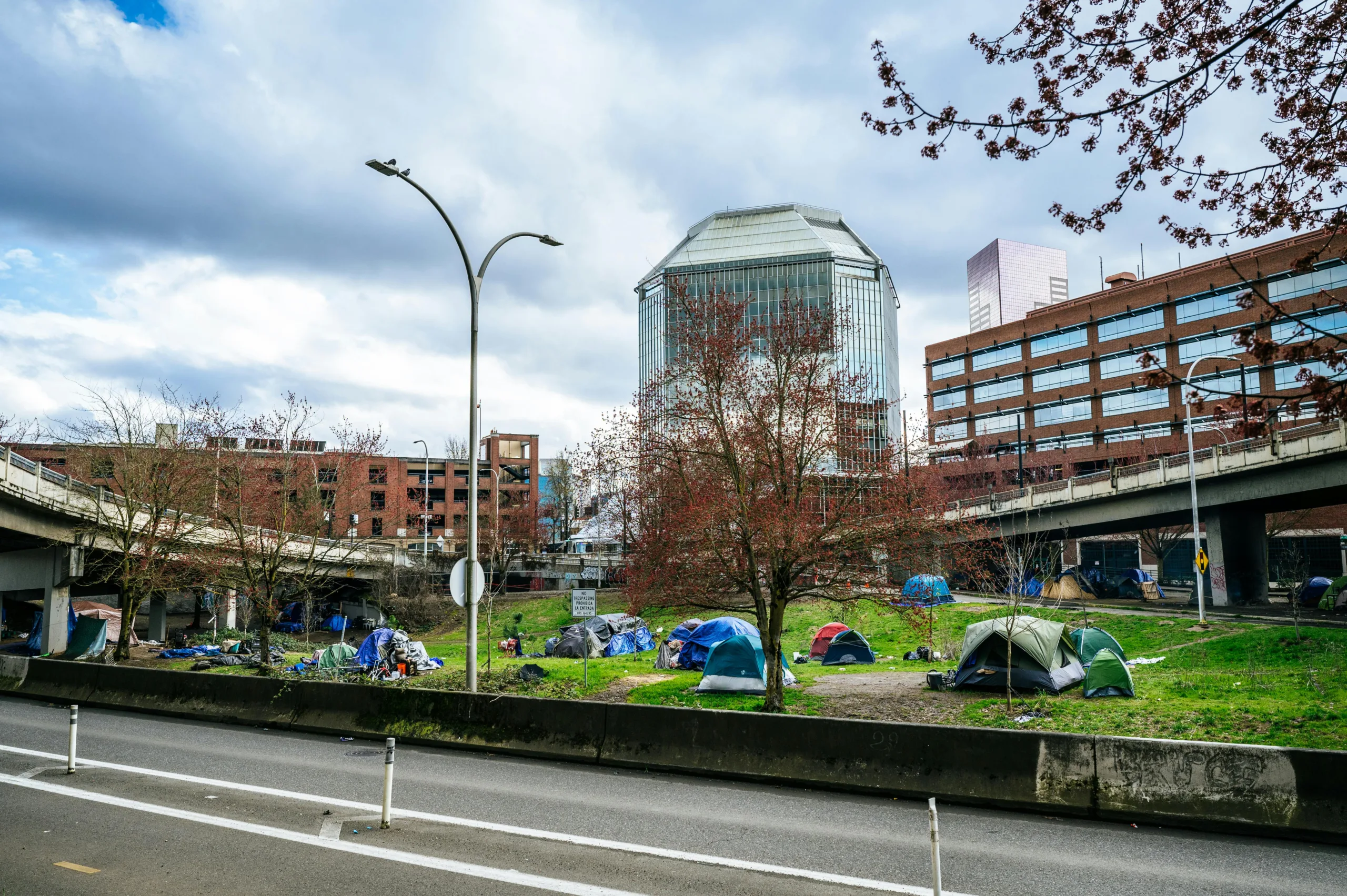



- A 19-state coalition led by New York Attorney General Letitia James is suing the Trump administration over changes to HUD’s Continuum of Care (CoC) program, which helps fund long-term housing for people experiencing homelessness.
- The lawsuit alleges the administration’s shift toward short-term aid with work requirements and law enforcement involvement is unlawful and violates federal statutes.
- Critics warn the policy could cut permanent housing funding by two-thirds and displace up to 170K individuals nationwide.
What’s Happening
The Trump administration is facing legal pushback after proposing major changes to a $3.9B federal homelessness initiative, reports GlobeSt. The Continuum of Care (CoC) program—run by the Department of Housing and Urban Development (HUD)—has historically prioritized permanent, “housing-first” strategies. A recent 128-page notice signals shift to short-term aid focused on treatment, work requirements, and clearing homeless encampments.
Attorneys general from 19 states, along with Maryland and Massachusetts governors, filed a lawsuit in Rhode Island federal court. They argue the Trump administration is unlawfully changing how Congress intended homelessness funds to be distributed.
Why It Matters
The CoC program supports about 8K projects across the country and is considered the backbone of federal homelessness assistance. States argue the changes violate federal law and threaten support for vulnerable groups, including elderly and disabled individuals.
New York AG Letitia James warned the cuts could force thousands onto the streets, calling the new policy “illegal and dangerous.”
Get Smarter about what matters in CRE
Stay ahead of trends in commercial real estate with CRE Daily – the free newsletter delivering everything you need to start your day in just 5-minutes
The Administration’s View
HUD Secretary Scott Turner defended the shift, citing a 33% rise in homelessness despite $12B spent under the Biden administration. Turner called the CoC a “Biden-era slush fund” and said funds will now support treatment, enforcement, and transitional housing.
The Impact
If implemented, the changes could slash permanent housing funding by up to 66% next year. Advocacy groups and state officials warn this would leave up to 170K people at risk of losing stable housing, undermining efforts to reduce chronic homelessness.
What’s Next
The case moves to Rhode Island’s US District Court, where the coalition seeks an injunction to block the new funding conditions. With homelessness rising in many cities, the outcome could significantly shape how the federal government addresses the crisis moving forward.