







- Florida’s Live Local Act allows developers to bypass local zoning if 40% of units are designated as workforce housing, overriding city control on height and density.
- Fort Lauderdale and other municipalities are seeing massive tower proposals in low-rise neighborhoods, with local governments legally unable to intervene.
- Developers say the law is critical to addressing the state’s affordable housing crisis, but residents and city leaders argue it strips communities of their voice in shaping urban growth.
Local Control Undermined
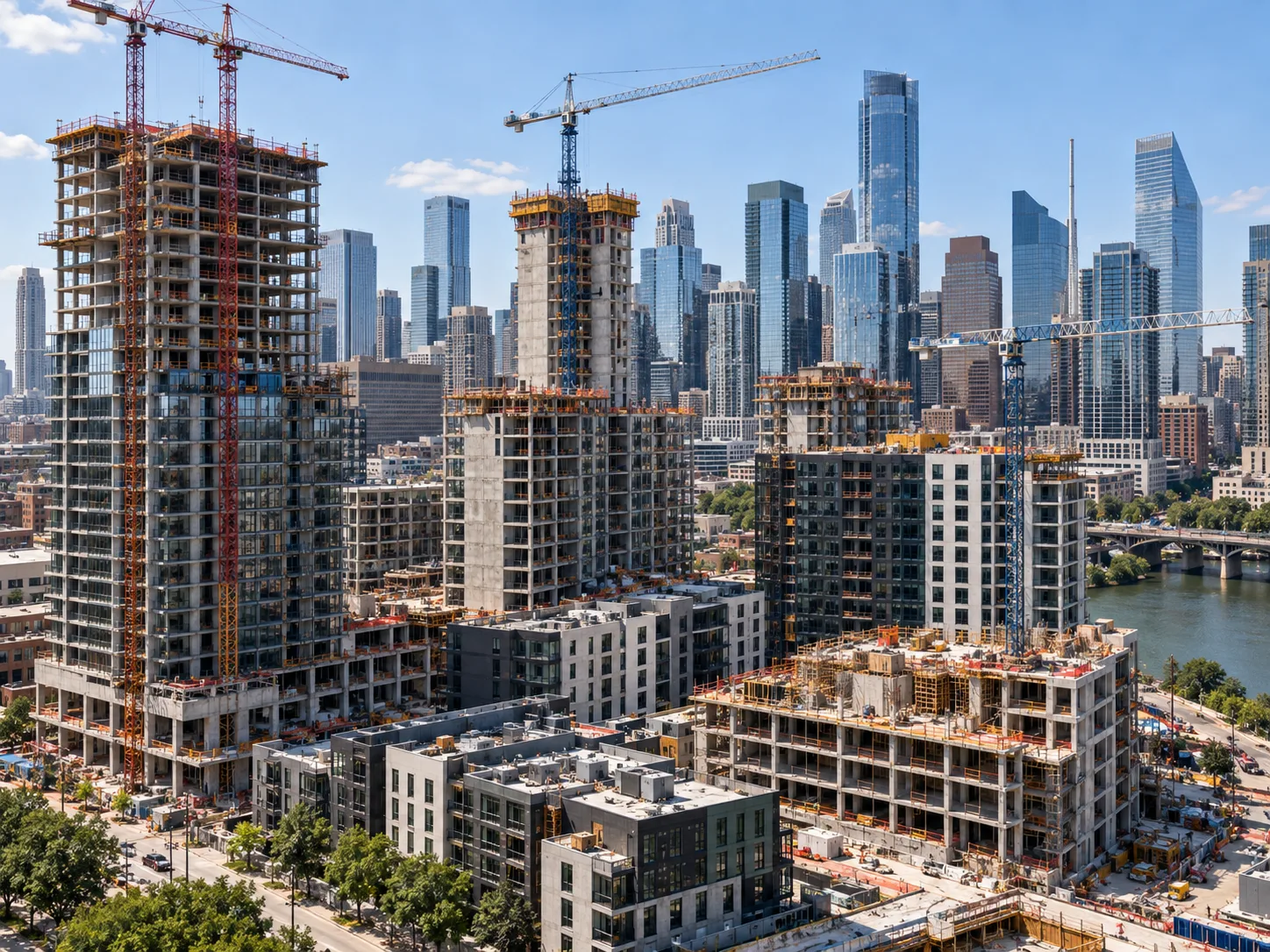
According to Bisnow, Fort Lauderdale residents were stunned last month to learn that a proposed nine-tower, 30-story development on the Galleria Mall’s surface lots could proceed without city approval—despite fierce neighborhood opposition and past efforts to block similar projects.
Why? The development qualifies under the Live Local Act, a 2023 Florida law designed to fast-track workforce housing construction by allowing developers to override local zoning, height, and density restrictions. Mayor Dean Trantalis summed up the city’s position bluntly at an Oct. 28 town hall: “There is nothing the city can do to stop the project.”
What Live Local Really Does
Amended twice since passage, the Live Local Act now mandates:
- Automatic project approval within 90 days if plans meet the law’s requirements.
- Height allowances matching the tallest building within a 1-mile radius.
- Density bonuses, allowing 150% of floor area ratio in place as of July 2023.
- Land flexibility, permitting residential development on commercial and even religious sites.
To qualify, 40% of units must be affordable to households earning 80–120% of area median income. In return, developers get tax breaks and accelerated approvals—effectively bypassing local governments.
Developer Demand Surging
From Miami Beach to Allapattah, developers are leaning into Live Local’s flexibility:
- The HueHub in West Little River: A $880M, six-tower complex with over 4,000 units, 3,000 of which will be reserved for essential workers. Rents start at $1,300/month.
- Wynwood’s Livwrk Towers: Three 45-story towers proposed under the act, more than tripling a previous 12-story plan.
- Galleria Project in Fort Lauderdale: Proposed by GFO Investments and WeWork’s former CEO, the 3,000-unit development is moving forward despite fierce public opposition.
Developers say the law is essential for addressing Florida’s housing crunch. “Live Local is proof that if politicians give us the right tools, the private sector can deliver,” said developer Pablo Castro.
Get Smarter about what matters in CRE
Stay ahead of trends in commercial real estate with CRE Daily – the free newsletter delivering everything you need to start your day in just 5-minutes
Community Backlash Grows
City officials and residents across Florida are pushing back—not against affordability, but the law’s reach. Critics argue that Live Local eliminates critical checks and balances, especially for developments in historically low-rise or culturally sensitive areas.
Miami Beach Commissioner Alex Fernandez warned the law could irreparably damage the city’s tourism-based economy. “If you want to destroy Miami Beach … line up Alton Road with 400-foot towers,” he said.
Fort Lauderdale’s Commissioner Steve Glassman expressed hope the Galleria proposal might be scaled back, but the developers have signaled they won’t revise the plan.
What’s Next
Although few Live Local projects have broken ground, the pipeline is growing. Cities like Coral Gables are trying to maintain architectural and design standards, but their ability to restrict height and density is virtually gone. Meanwhile, state lawmakers are already exploring changes to the legislation as concerns grow over how far the law has shifted power away from local governments.
In Miami-Dade, where housing costs are among the highest in the country, Live Local may be here to stay. But the friction between the state’s top-down policy and cities’ desire for local input is only beginning.
As Trantalis put it: “The Live Local Act, as it’s now been amended, pulls the rug out from under people.”
By the Numbers
- $1,719: Average Florida rent in 2023, up 39% from 2019
- 90,181: Unit shortage for households earning <$75K in Miami-Dade
- 60%: Miamians who spend over 30% of income on housing
- 40%: Minimum workforce housing required for Live Local approval.
Bottom Line
Florida’s attempt to fix its housing crisis through the Live Local Act may accelerate construction—but it’s also igniting a statewide debate over who gets to shape Florida’s future skyline.