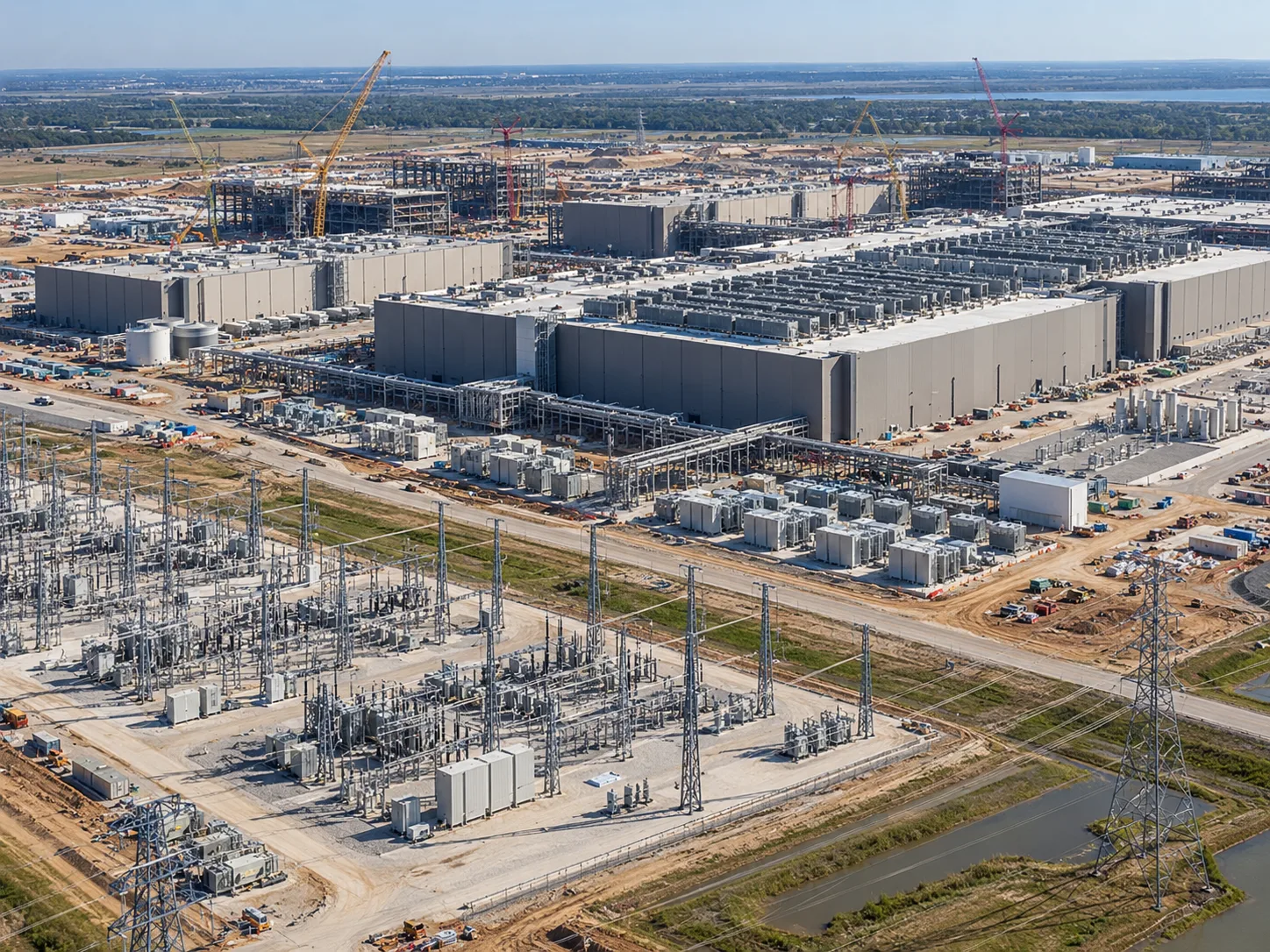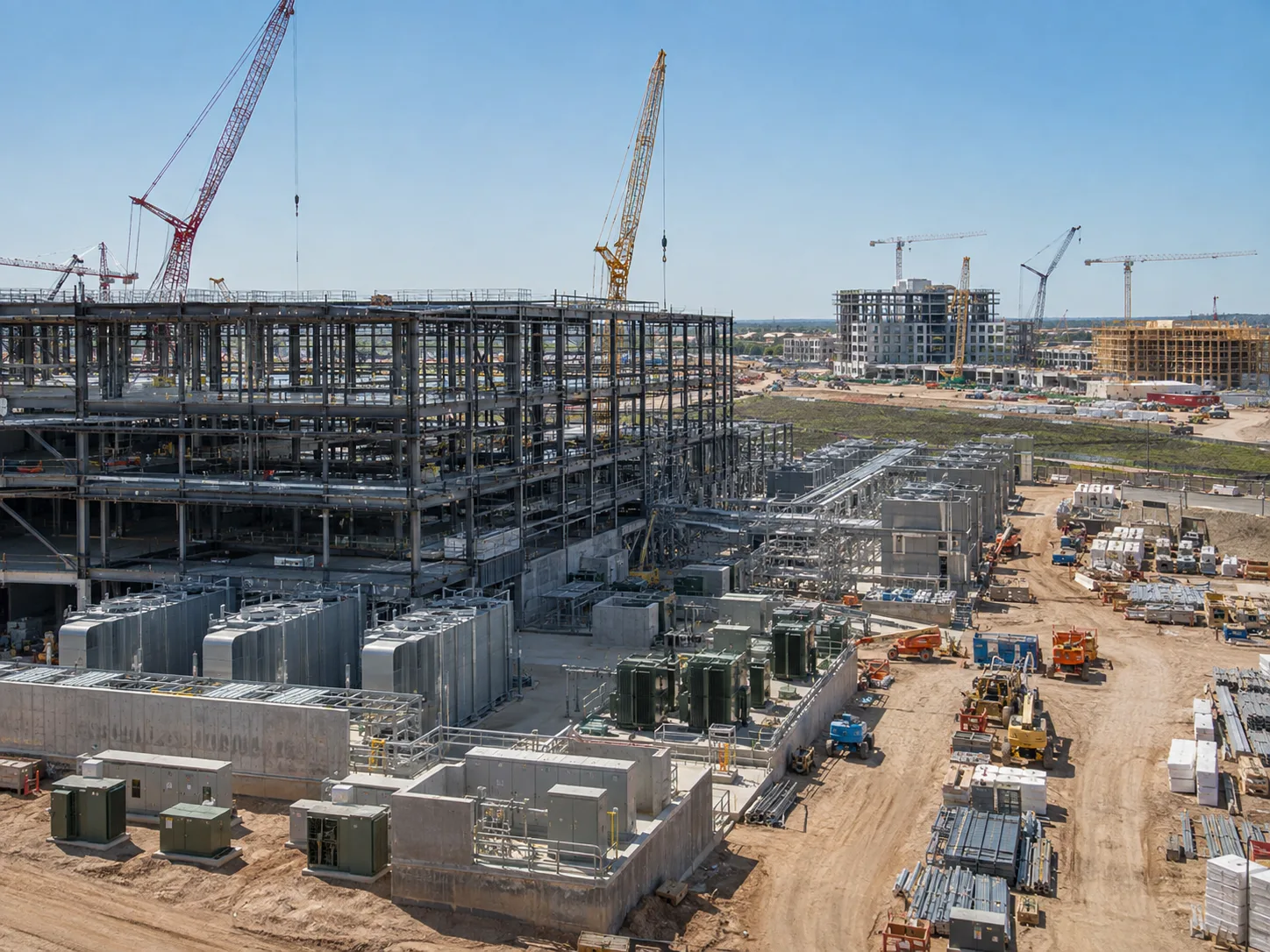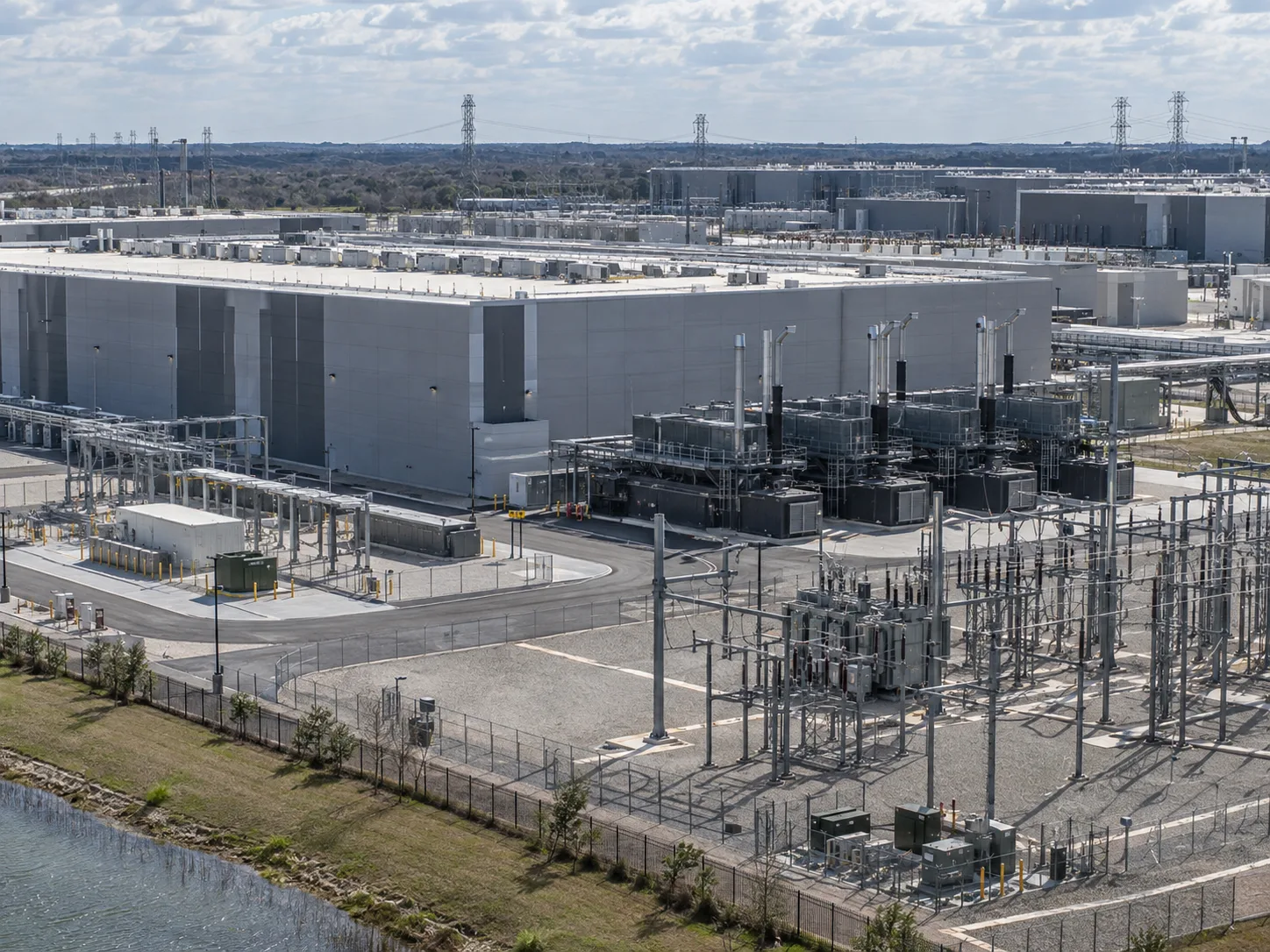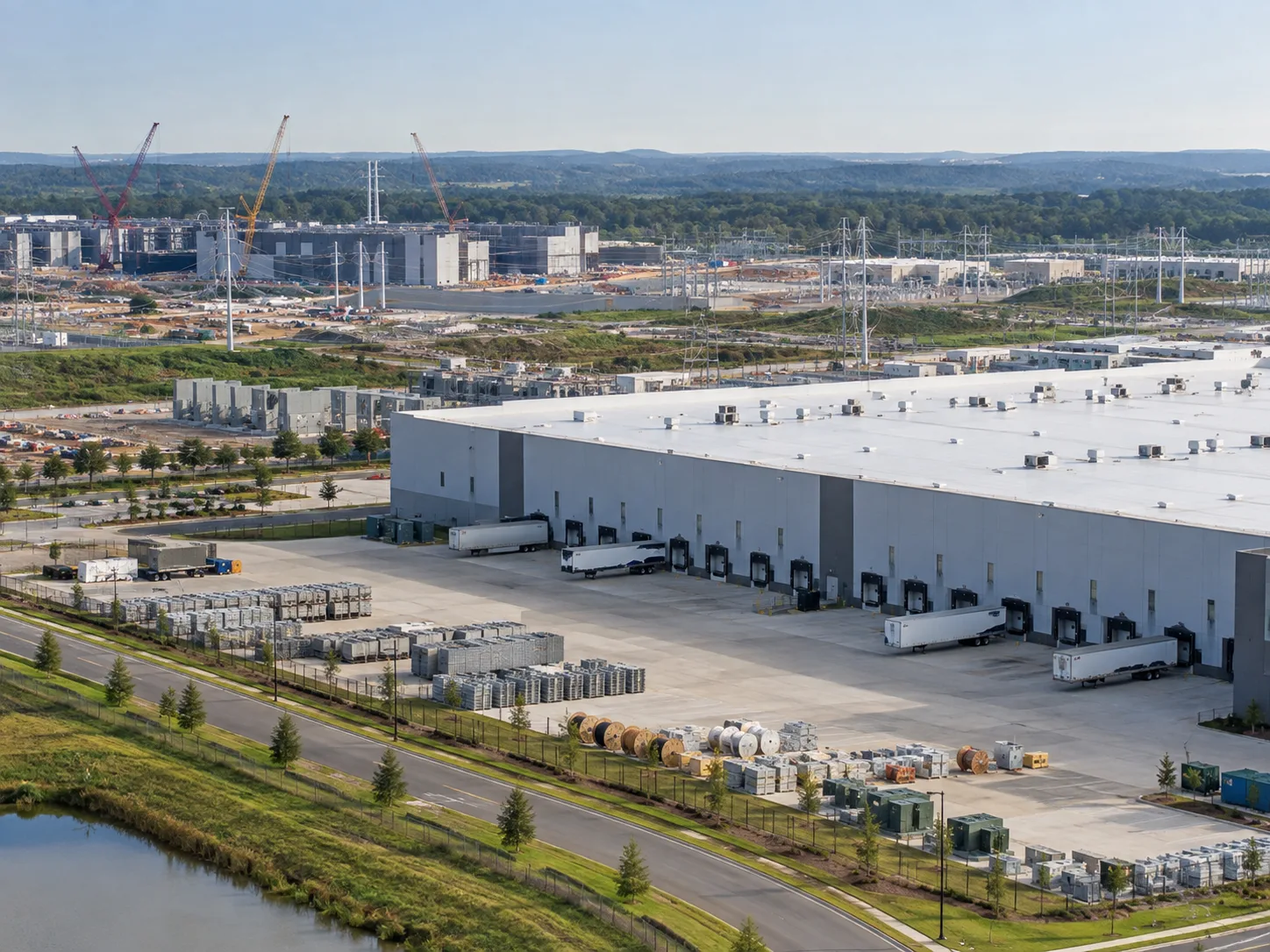







- Data centers are reshaping rural Oregon, bringing billions in investment and turning small towns into tech infrastructure hubs.
- Local economies are booming, with rising home prices, new jobs, and rapid construction fueling middle-class growth.
- Permanent job creation remains limited, raising concerns about long-term stability once construction slows.
- Communities face growing pains, including housing shortages, political disputes, and pressure on public services and infrastructure.
Tech Boom Transforms Umatilla
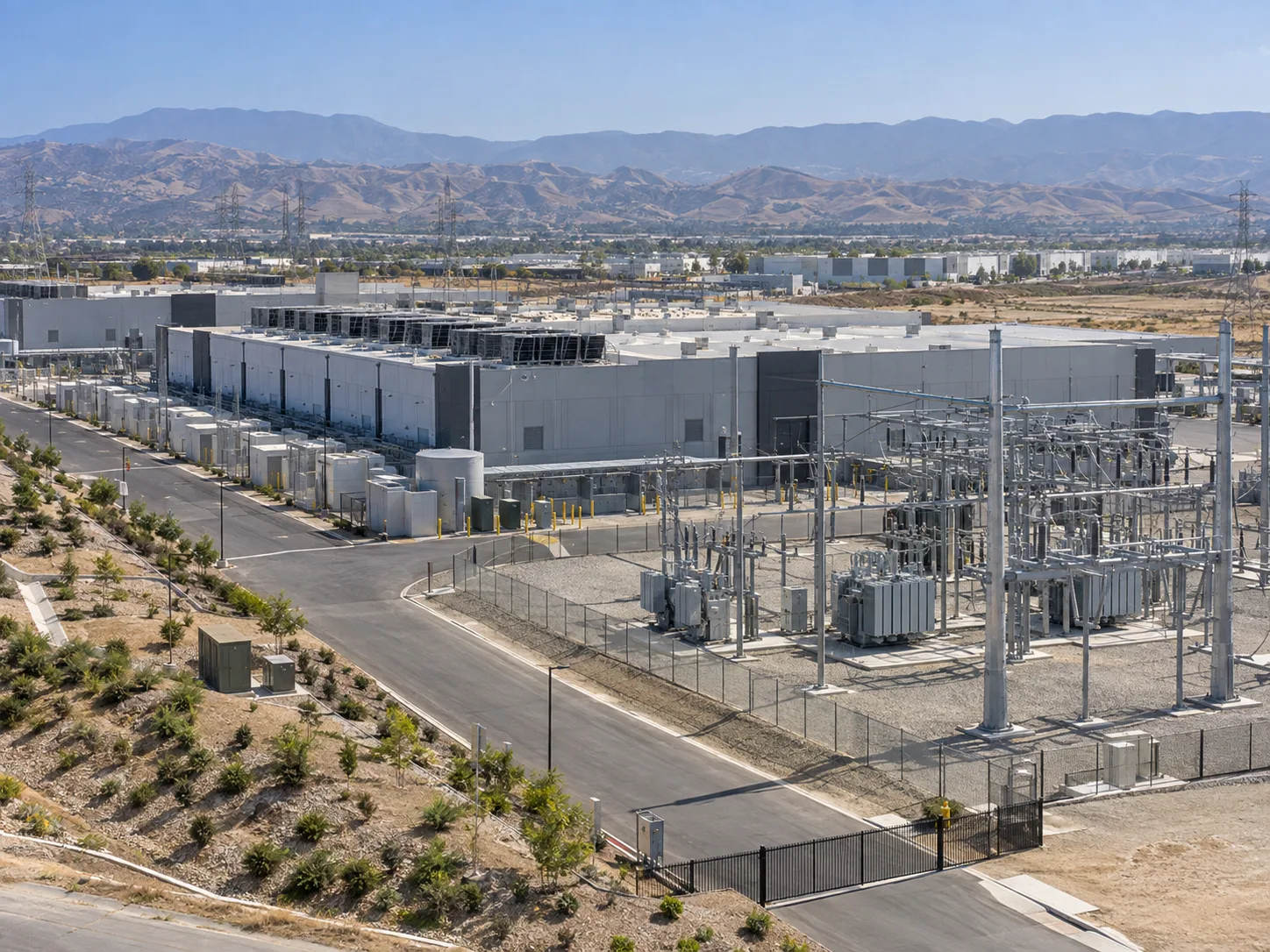
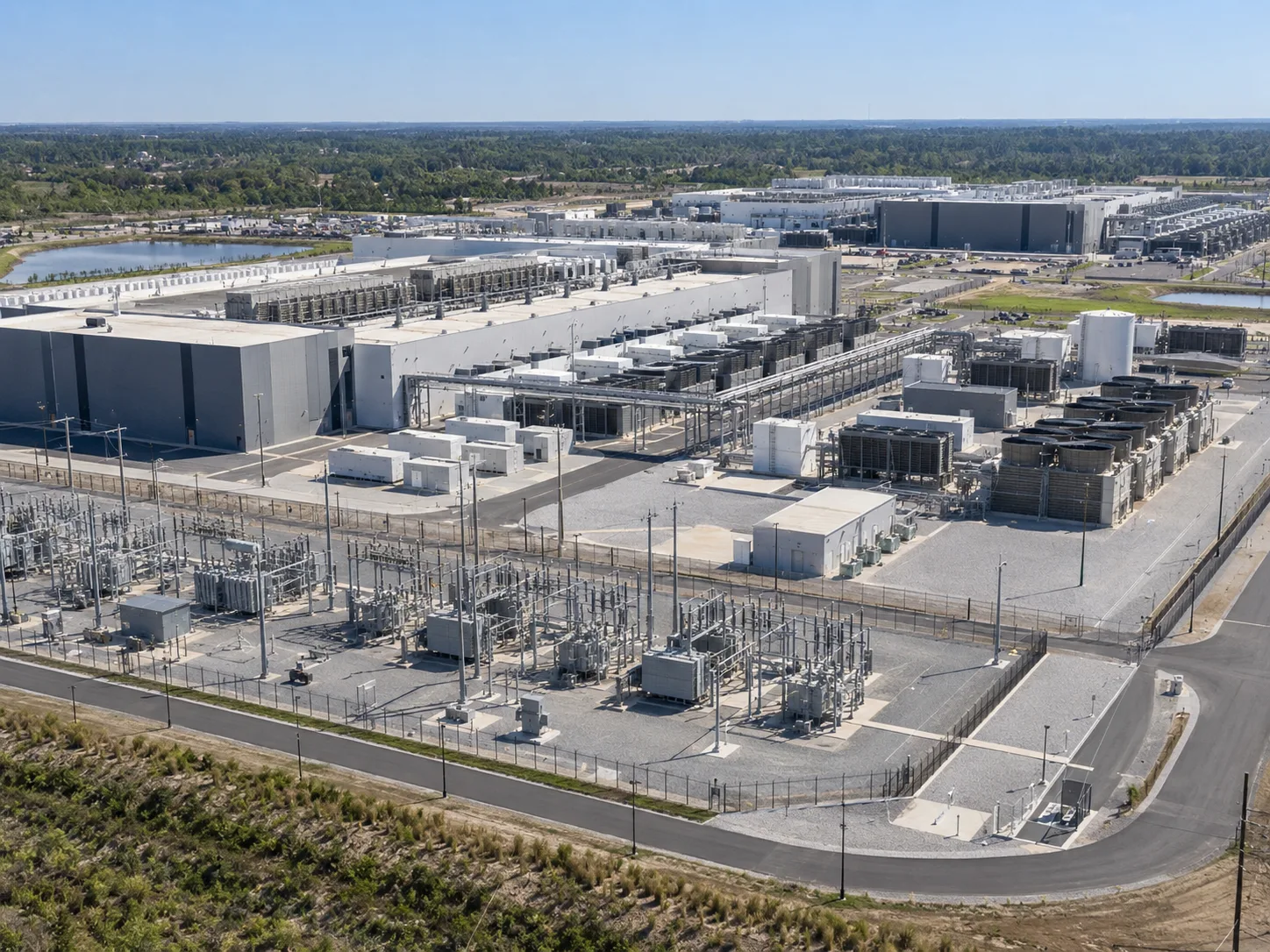
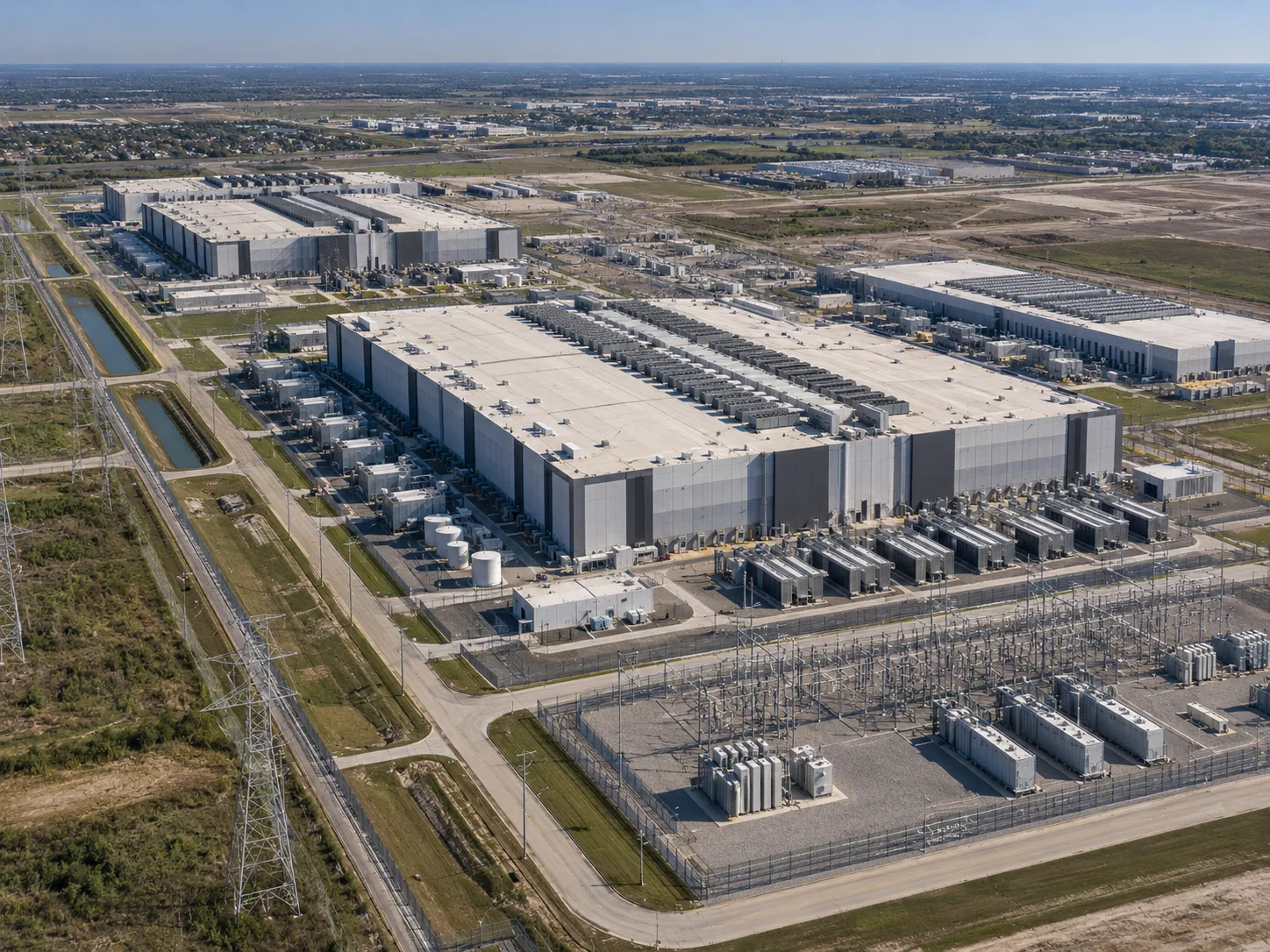
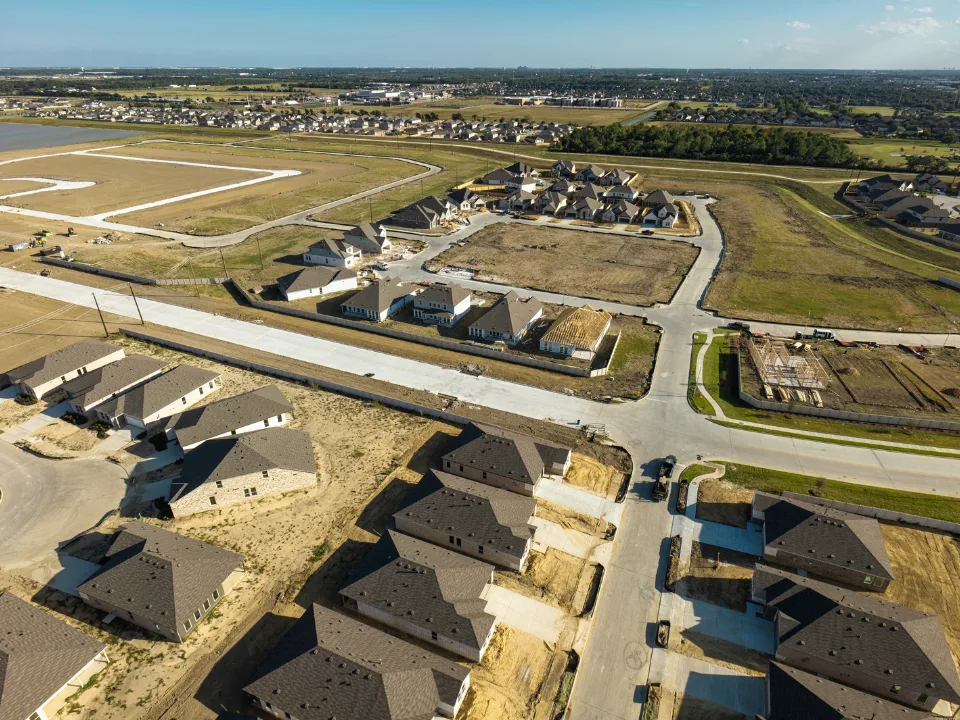
Umatilla, Oregon was once known for its chemical weapons depot and nearby state prison. Today, it hosts one of Amazon’s largest data center operations. The town is now part of a $41B annual surge in US data center construction, reports WSJ. Locals like Yesenia Leon-Tejeda, a former warehouse worker turned real estate agent, are experiencing new levels of prosperity as housing demand and home prices soar.
“People are wanting to come to Umatilla now,” she said, crediting Amazon’s presence for her success and the region’s revitalization.
From Potatoes To Processors
The Columbia River’s hydroelectric power and available land have made the region an ideal location for data centers. Amazon Web Services (AWS) now operates multiple campuses in Umatilla County, with more planned by other developers. Construction has brought thousands of jobs and injected billions into the local economy, reshaping a historically agricultural region into a high-tech corridor.
“This is what it’s going to be,” said Mark Morgan, assistant city manager in nearby Hermiston.
Get Smarter about what matters in CRE
Stay ahead of trends in commercial real estate with CRE Daily – the free newsletter delivering everything you need to start your day in just 5-minutes
Boom Brings Benefits — And Backlash
Data centers have spurred growth in middle-class jobs and led to major infrastructure investments — from new schools to road improvements. But they’ve raised housing and childcare costs, caused labor shortages, and sparked political fights over spending new revenue.
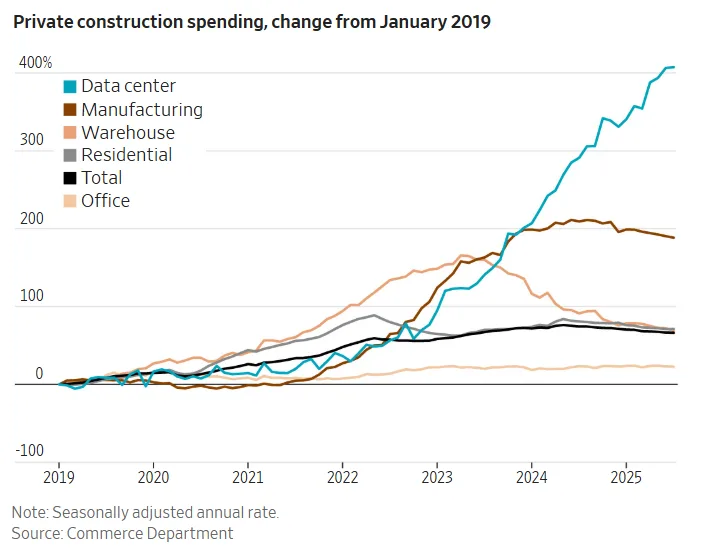
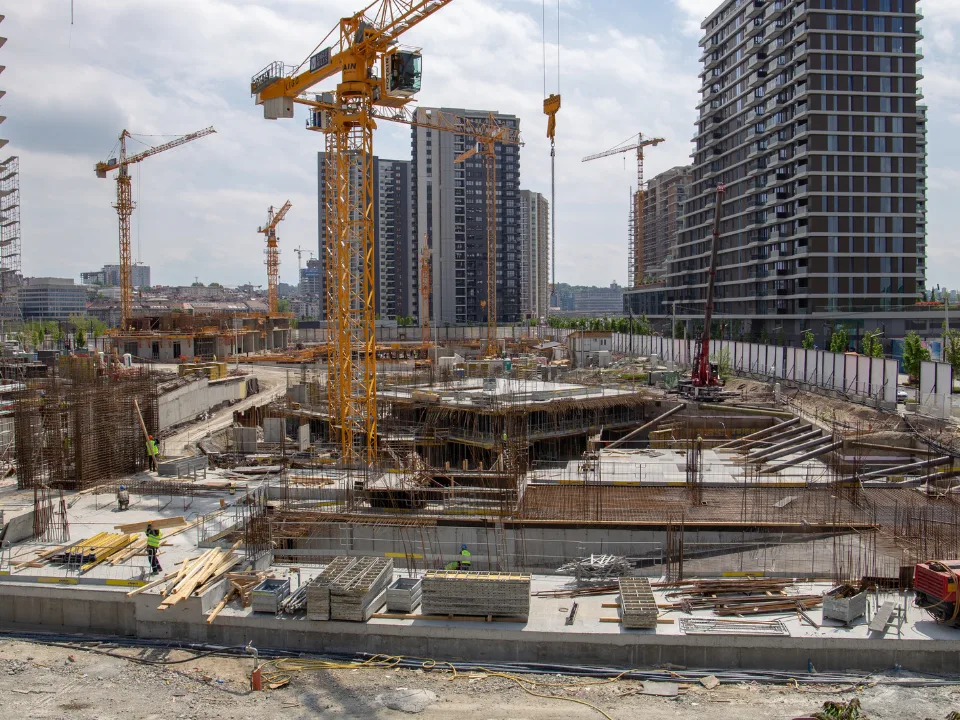
While construction requires large workforces, the permanent staffing at each facility remains modest — fueling worries that once the building slows, the boom might end.
“Sometimes I do worry,” said Leon-Tejeda. “What’s going to happen once they stop building?”
New Economy, Old Challenges
Amazon’s tax arrangements — which often substitute nontax payments for traditional property taxes — have left public agencies competing for funds. In Umatilla, tensions flared when the mayor, also the son of the school superintendent, sued city officials over spending disputes.
Despite the strain, many see this as a once-in-a-generation opportunity. Local leaders are fast-tracking new developments and preparing more land, including former military sites, for future data centers.
“If your city is not growing, it is dying,” said Umatilla’s City Manager, Dave Stockdale.
What’s Next
Amazon plans to double its cloud capacity by 2027, signaling more investment is likely. Still, communities like Umatilla face a crucial question: Can short-term prosperity evolve into long-term resilience?
The coming years will test whether small towns transformed by Big Tech can balance growth with sustainability — or if they’ll be left searching for the next big thing when the servers stop spinning.